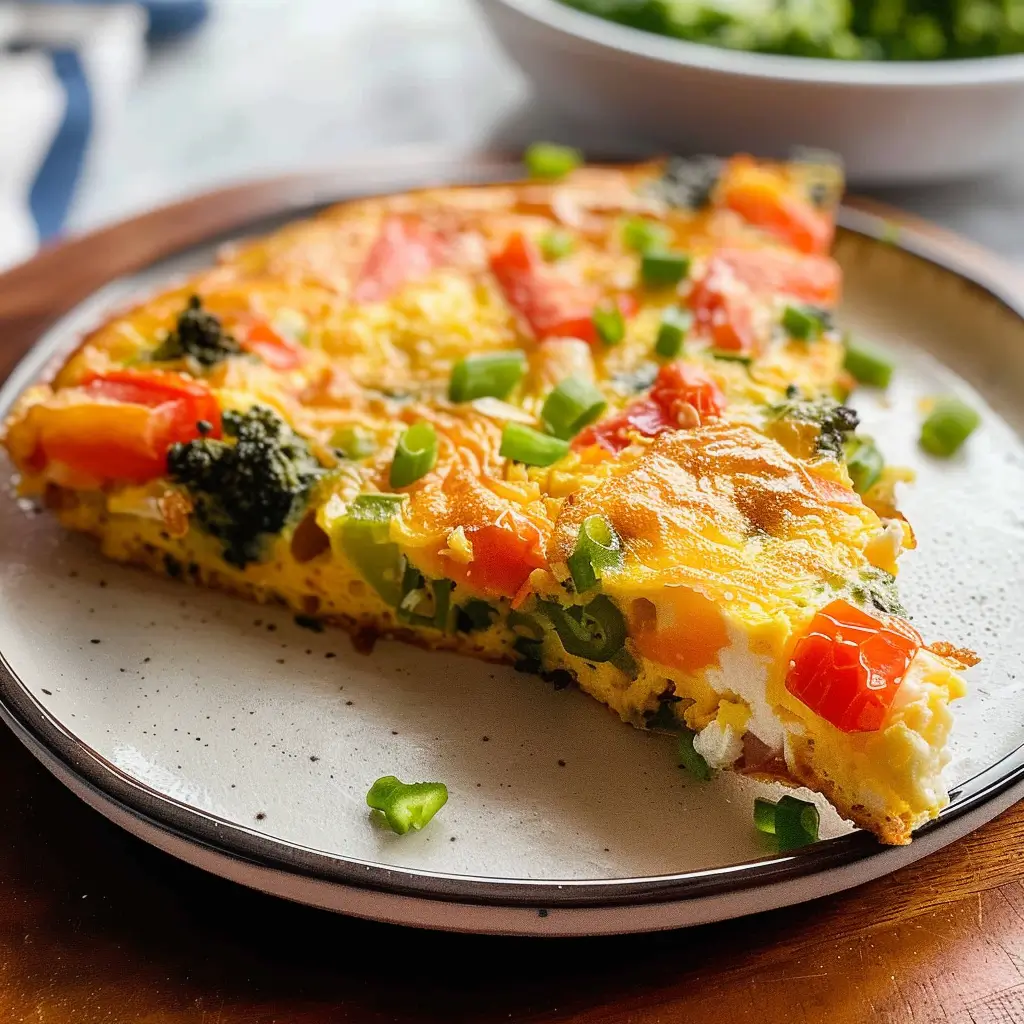
Frittata Recipe is one of the easiest and most versatile meals you can make for breakfast, brunch, or dinner. This Italian-style egg dish is fluffy, packed with vegetables, cheese, and optional proteins, and simple enough for beginners to tackle. Whether you’re cleaning out the fridge or craving a quick, satisfying meal, a frittata delivers flavor, nutrition, and a beautiful presentation all in one pan.
Print
Frittata Recipe
- Total Time: 25 mins
- Yield: 4–6 1x
Description
A simple, flavorful, and versatile frittata with eggs, vegetables, and cheese. Perfect for breakfast, brunch, or dinner.
Ingredients
- 8 large eggs (room temperature)
- ½ cup milk or cream (optional)
- 1 cup diced bell peppers
- 1 cup fresh spinach
- ½ cup chopped onion (optional)
- 1 cup cheese (cheddar, mozzarella, feta, or Parmesan)
- 2 tablespoons olive oil or butter
- ½ teaspoon salt
- ¼ teaspoon black pepper
- Optional protein: ½ cup turkey bacon, chicken, or sausage alternatives
- 2 tablespoons fresh herbs (parsley, chives, or basil)
Instructions
- Prepare vegetables, proteins, and herbs. Whisk eggs and milk, season with salt and pepper.
- Sauté vegetables and proteins in a skillet, then pour in eggs evenly. Cook on stovetop 3–5 minutes.
- Sprinkle cheese and herbs on top, bake at 375°F (190°C) for 10–12 minutes until set. Let rest, slice, and serve.
Notes
- Store in an airtight container in the fridge for 3–4 days.
- Freeze portions for up to 2 months and reheat gently.
- Prep Time: 10 mins
- Cook Time: 15 mins
Table of Contents
Quick and versatile meal
A frittata is perfect for any mealtime, whether breakfast, brunch, or dinner. It cooks quickly and requires minimal hands-on time, yet the results feel gourmet. You can toss in whatever ingredients you have—vegetables, cheese, or meats—making it a highly versatile option for using up leftovers. This easy frittata recipe gives you the flexibility to customize flavors while keeping prep simple, which is especially handy for busy mornings or impromptu family dinners.
Frittata Ingredients
You can boost flavor or nutrition with proteins like turkey bacon, chicken, or sausage alternatives. Fresh herbs such as parsley, chives, or basil add an aromatic touch. For a lighter version, use egg whites or a mix of whole eggs and whites. Dairy-free cheeses or plant-based proteins can make it suitable for special diets. Flexibility is key—this recipe allows you to mix and match ingredients based on preference or what’s on hand.
| Ingredient | Measurement | Notes |
|---|---|---|
| Eggs | 8 large | Room temperature for fluffiness |
| Milk or cream | ½ cup | Optional, for a creamier texture |
| Bell peppers | 1 cup, diced | Any color |
| Spinach | 1 cup | Fresh or frozen |
| Onion | ½ cup, chopped | Optional |
| Cheese | 1 cup | Cheddar, mozzarella, feta, or Parmesan |
| Olive oil or butter | 2 tablespoons | For sautéing |
| Salt | ½ teaspoon | Adjust to taste |
| Black pepper | ¼ teaspoon | Freshly ground |
| Optional protein | ½ cup | Turkey bacon, chicken, or sausage alternatives |
| Fresh herbs | 2 tablespoons | Chives, parsley, or basil |
Step-by-Step Frittata Instructions
Step 1: Preparing the ingredients
Begin by chopping your vegetables, herbs, and any optional proteins. Crack the eggs into a large mixing bowl, add milk or cream if using, and whisk until well combined. Season with salt and pepper. Prepping all ingredients before cooking ensures a smooth process and prevents overcooking the eggs while you chop.
Step 2: Cooking on the stovetop
Heat 2 tablespoons of olive oil or butter in an oven-safe skillet over medium heat. Sauté onions, peppers, and other vegetables until slightly softened. Add your optional proteins and cook until warmed through. Pour the whisked eggs evenly over the vegetables and let them cook for 3–5 minutes without stirring, allowing the edges to set while the center remains slightly runny.
Step 3: Finishing in the oven
Sprinkle cheese and herbs over the top of the frittata. Transfer the skillet to a preheated oven at 375°F (190°C) and bake for 10–12 minutes until the eggs are fully set and the top is lightly golden. Remove carefully from the oven and let it rest for a few minutes before slicing. Serve warm for a hearty, colorful, and flavorful meal the whole family will enjoy.
Creative Frittata Variations
Seasonal vegetables and flavor combos
Frittatas are incredibly versatile, making them perfect for seasonal cooking. In spring, try asparagus, peas, or fresh herbs for a bright, fresh flavor. Summer calls for zucchini, tomatoes, and bell peppers. Fall and winter are ideal for hearty ingredients like mushrooms, spinach, or roasted squash. By swapping vegetables based on what’s in season, you not only add variety but also boost nutrition and flavor. These seasonal twists make your frittata exciting every time you cook it.
Protein-packed variations
Adding proteins transforms a frittata into a complete meal. Turkey bacon, chicken, or sausage alternatives are popular options for meat lovers. For a vegetarian version, include chickpeas or tofu crumbles to keep it hearty. Cheese variations, like feta, goat cheese, or sharp cheddar, also enhance the flavor profile while maintaining creaminess. These protein-packed frittata ideas make it suitable for breakfast, lunch, or dinner while keeping it satisfying and nutritious.
Tips for a Perfect Frittata
Avoiding overcooking
One of the most common mistakes when making a frittata is overcooking, which can make it dry or rubbery. To prevent this, cook the eggs gently on the stovetop until the edges just begin to set, then finish in the oven. Keep an eye on the frittata and remove it as soon as the center is fully set but still slightly wobbly—it will continue to firm up while resting.
Getting a fluffy texture
For a light, airy frittata, whisk the eggs thoroughly with milk or cream to incorporate air. Using room-temperature eggs also helps the mixture cook evenly. Avoid stirring once the eggs hit the pan so the layers of vegetables, cheese, and eggs remain intact. A non-stick or well-seasoned oven-safe skillet ensures easy release and keeps the bottom from sticking. These simple tips guarantee a perfectly fluffy and flavorful frittata every time, making your meal look as good as it tastes.
Storage and Make-Ahead Tips
Keeping leftovers fresh
Frittatas store exceptionally well, making them a convenient option for meal prep. After cooking, allow the frittata to cool completely, then wrap tightly with plastic wrap or place in an airtight container. Store in the refrigerator for up to 3–4 days. This allows you to enjoy a quick, ready-to-eat breakfast or lunch without compromising flavor or texture.
Reheating and freezing tips
For reheating, slice individual portions and warm in a skillet over low heat or in the microwave until heated through. Avoid high heat to maintain a tender texture. You can also freeze frittata slices for up to 2 months. Wrap each portion tightly in plastic wrap and foil before freezing. Thaw in the refrigerator overnight and reheat gently. These make-ahead strategies make frittata a stress-free option for busy mornings, packed lunches, or weekend brunches.
Serving and Presentation Ideas

Brunch, lunch, or dinner presentation
A frittata is a versatile dish that works beautifully for any meal. Slice it into wedges like a pie and arrange on a platter for a visually appealing presentation. Serve it alongside a fresh green salad, roasted potatoes, or slices of crusty bread for a complete meal. The colorful vegetables inside naturally brighten the plate, making it look appetizing without extra effort. Whether it’s a casual family brunch or a small dinner gathering, a frittata always feels both cozy and elegant.
Pairing with sides and garnishes
Simple sides can elevate your frittata instantly. Fresh fruit, avocado slices, or lightly dressed greens complement the richness of the eggs and cheese. You can also add a drizzle of olive oil or a sprinkle of additional fresh herbs, like parsley or chives, for extra flavor. Toast points or warm croissants pair perfectly for a brunch-style meal. Even just a wedge of frittata with a handful of cherry tomatoes looks inviting and colorful. Small touches like garnishes make it feel like a special meal without requiring complicated steps.
Serving temperature tips
Frittata can be served warm straight from the oven or at room temperature, making it ideal for entertaining. If preparing ahead, reheat gently in the oven or microwave to preserve fluffiness and texture. This flexibility ensures your frittata remains convenient while still looking fresh and appetizing.
FAQs About Frittata Recipes
Can I make a frittata without cheese?
Yes! You can skip cheese entirely or use a dairy-free alternative. The eggs and vegetables will still provide flavor and structure, making it just as delicious.
Can I use frozen vegetables?
Absolutely. Just thaw and drain any excess moisture from frozen vegetables before adding them to prevent a soggy frittata.
How do I prevent the frittata from sticking?
Use a non-stick or well-seasoned oven-safe skillet and lightly coat it with oil or butter. This ensures easy release and clean slices.
Can I make a frittata ahead of time?
Yes. Frittatas can be made ahead, refrigerated, and reheated when needed. You can also freeze portions for later use.
What’s the best way to slice and serve a frittata?
Let the frittata rest for a few minutes after baking. Slice into wedges like a pie and serve with a salad, bread, or fruit for a complete meal.
Conclusion
Frittata Recipe is a versatile, flavorful, and nutritious meal that works for breakfast, brunch, or dinner. With simple ingredients like eggs, vegetables, and cheese, you can create endless variations to suit your taste or seasonal produce. Easy to prep, customizable, and visually appealing, frittatas are perfect for families, meal prep, or entertaining guests. By following these tips, your frittata will turn out fluffy, colorful, and full of flavor every time. Enjoy it fresh, or store leftovers for a quick and satisfying meal later in the week.