Fermented Carrot Salad is the crunchy, tangy hero your fridge didn’t know it needed. Sweet carrots meet natural fermentation, transforming into a zesty, gut-friendly treat that feels both fancy and approachable. Don’t worry—this isn’t some intimidating kitchen experiment. With just a jar, a little salt, and a splash of water, you can make a vibrant fermented carrot salad that’s ready to snack on or jazz up your meals.
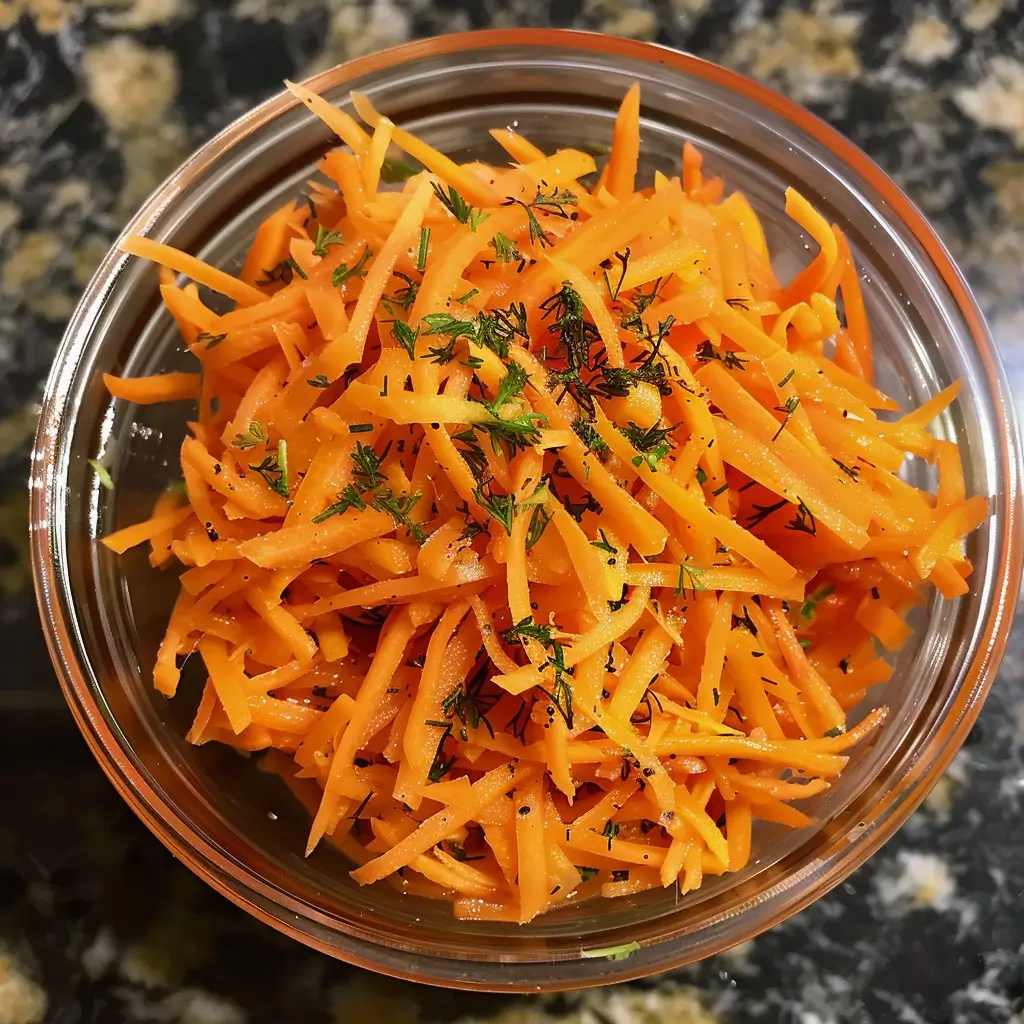
Table of Contents
Health benefits of fermented carrots
Fermented carrots are more than just a tangy snack—they’re a powerhouse for your digestive system. The natural fermentation process encourages the growth of probiotics, which can improve gut health, support immune function, and even enhance nutrient absorption. Since carrots are rich in beta-carotene, vitamins A and K, and fiber, fermenting them keeps the nutrients intact while adding a gentle tang. Eating fermented carrot salad regularly can be a simple, tasty way to support a healthy digestive system and feel more energized throughout the day.
Flavor and texture that surprise your taste buds
The first bite of fermented carrot salad is a pleasant surprise. Crunchy carrots meet a subtle sourness from natural fermentation, giving a refreshing, tangy kick. Unlike cooked vegetables, the crisp texture remains intact, and the flavor develops over a few days in the jar. Because you can add spices like garlic, ginger, or chili flakes, this fermented carrot salad can be customized to your taste. Each bite delivers a bright, lively flavor that works as a snack, a side dish, or a topping for salads and bowls.
Ingredients for Fermented Carrot Salad
Simple pantry ingredients for beginners
Making a fermented carrot salad is delightfully simple. You only need fresh carrots, salt, and water to start, making it an approachable recipe for beginners. The salt draws out water from the carrots and creates a brine that encourages natural fermentation. Because the ingredients are minimal, this fermented carrot salad stays fresh, tangy, and full of crunch without any complicated steps. Using clean, crisp carrots ensures the salad ferments evenly and tastes naturally sweet and slightly sour.
| Ingredient | Amount | Purpose |
|---|---|---|
| Fresh carrots | 4 cups, shredded or julienned | Main vegetable, crunch and sweetness |
| Water | 2 cups, filtered | Creates brine for fermentation |
| Salt | 2 teaspoons (non-iodized) | Draws out moisture, preserves, aids fermentation |
| Garlic | 2 cloves, optional | Adds flavor and mild pungency |
| Ginger | 1 teaspoon, optional | Adds warmth and complexity |
| Chili flakes | ½ teaspoon, optional | Slight heat for a kick |
| Herbs (dill or parsley) | 1 tablespoon, optional | Fresh flavor twist |
Optional flavor add-ins and swaps
If you want to get creative, you can mix in thin slices of bell pepper, fennel, or even small pieces of apple for a sweet-tangy twist. Herbs like dill, parsley, or thyme elevate the flavor without overpowering the natural carrot taste. You can also adjust the garlic or chili to match your spice preference. These small tweaks make the fermented carrot salad versatile and fun while keeping it beginner-friendly.
Step-by-Step Fermented Carrot Salad Recipe
Step 1: Preparing and shredding the carrots
Start by washing and peeling fresh carrots, then shred or julienne them to your preferred thickness. Uniform pieces help the fermentation process evenly and ensure each bite has a satisfying crunch. If you’re adding optional ingredients like garlic, ginger, or chili flakes, prepare them now. Mixing everything in a clean bowl allows the flavors to combine before packing into jars, making the fermented carrot salad more flavorful and evenly seasoned.
Step 2: Mixing with brine and seasoning
Dissolve the salt in filtered water to create a brine, then pour it over the shredded carrots and optional add-ins. Massage the mixture gently so the salt distributes and helps release natural moisture from the carrots. This step ensures the carrots are fully submerged, which is essential to prevent mold and encourage proper fermentation. The brine creates a slightly tangy environment that transforms simple carrots into a probiotic-rich fermented carrot salad.
Step 3: Packing the jar and fermenting
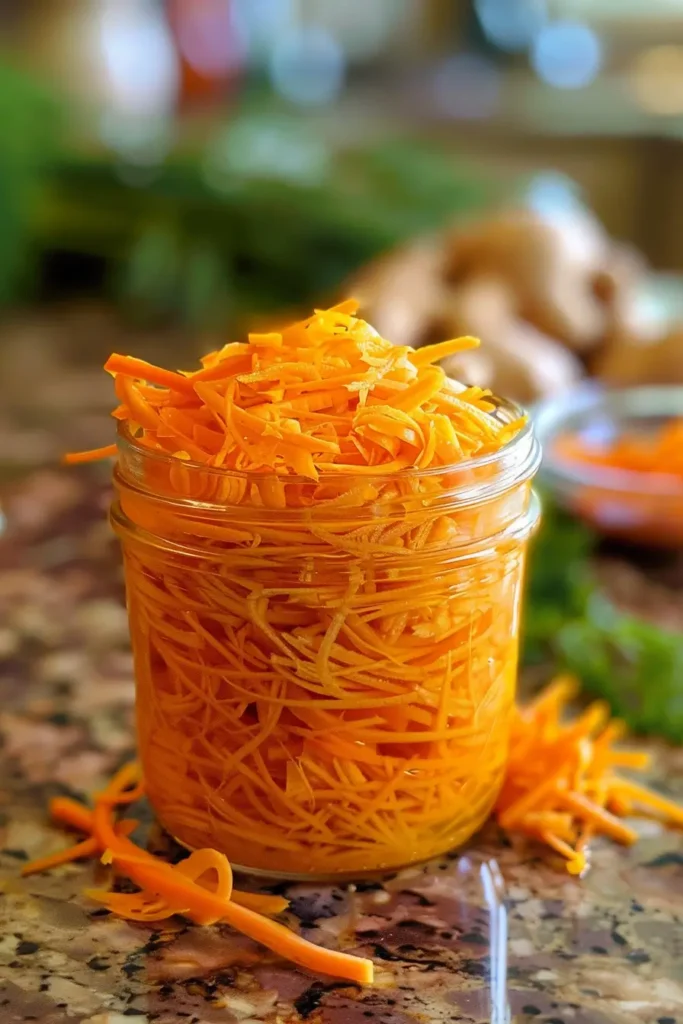
Pack the carrot mixture tightly into a clean glass jar, leaving about 1 inch of headspace. Make sure the carrots stay submerged under the brine to prevent oxidation. Seal the jar loosely or cover with a cloth to allow gases to escape. Place it in a cool, dark spot for 3–7 days, tasting daily until it reaches the desired tanginess. Once fermented, store the jar in the refrigerator to slow further fermentation and maintain crunch.
Health Benefits of Fermented Carrots
Gut health and probiotics
Fermented carrot salad is more than a tangy snack—it’s a natural way to support your gut health. The fermentation process encourages the growth of probiotics, which can improve digestion, strengthen the immune system, and enhance nutrient absorption. Eating fermented carrot salad regularly introduces beneficial bacteria to your gut, promoting a healthy balance of microbiota. Because the carrots maintain their natural fiber, each bite supports bowel regularity while delivering vitamins and minerals in an easy-to-digest form.
Vitamins, minerals, and immune support
Carrots are naturally rich in beta-carotene, vitamin A, potassium, and antioxidants. Fermentation doesn’t destroy these nutrients; in fact, it can make some compounds more bioavailable. This means your body can absorb them more efficiently while enjoying the tangy flavor. Incorporating fermented carrot salad into your meals adds a colorful, crunchy boost of nutrition that supports overall wellness, eye health, and immunity.
Storage and Fermentation Tips
How long it lasts and temperature tips
Fermented carrot salad can last for several weeks when stored properly in the refrigerator. Once the desired tanginess is reached, transferring the jar to a cool environment slows down fermentation and preserves the crisp texture. Keeping the salad at consistent temperatures between 65–75°F during fermentation ensures even flavor development. Avoid storing it in direct sunlight or warm spots, as this can speed up fermentation too quickly and affect both taste and texture.
Best jars and containers
Using clean, airtight glass jars is ideal for fermenting carrot salad. Wide-mouth jars make packing and pressing the carrots easier, ensuring they stay submerged in the brine. You can also use fermentation weights or clean small objects to hold the carrots under the liquid. Proper containers prevent mold growth and allow gases from natural fermentation to escape safely, keeping your fermented carrot salad fresh and crunchy for weeks.
How to Serve and Enjoy Fermented Carrot Salad
Quick snacks, side dishes, or salad topper
Fermented carrot salad is incredibly versatile. You can enjoy it straight from the jar as a crunchy snack, serve it alongside sandwiches or main dishes as a tangy side, or sprinkle it over grains, bowls, or leafy greens for an extra burst of flavor. Its naturally bright color and crisp texture make it an attractive addition to any plate, while the subtle sourness balances rich or heavy meals, adding freshness and a probiotic boost.
Pairing ideas for meals
This fermented carrot salad pairs beautifully with roasted meats, grilled vegetables, or simple grain bowls. It also complements dishes with creamy sauces or cheese, providing a lively contrast in flavor. For a refreshing twist, serve chilled with a drizzle of olive oil or a few fresh herbs on top. The combination of tangy, sweet, and crunchy elements turns simple meals into vibrant, healthful plates.
FAQs About Fermented Carrot Salad
How long should I ferment carrot salad
Fermented carrot salad typically takes 3–7 days to reach the desired tanginess. Taste it daily starting on day three to ensure it matches your preference. Warmer temperatures speed up fermentation, while cooler spots slow it down.
Can I add other vegetables
Yes, you can include thin slices of cucumber, bell pepper, or radish for added flavor and texture. Just make sure all vegetables are clean and submerged in the brine to prevent spoilage.
How do I know when it’s ready
The salad is ready when the carrots have a pleasant tangy flavor and remain crisp. The brine may look slightly cloudy, which is normal, and a slight bubbling is a good sign of active fermentation.
Can I store it for a long time
Once fermented to your liking, refrigerate the jar. The cool temperature slows fermentation, and the salad can last 3–4 weeks while maintaining crunch and flavor.
Conclusion
Fermented Carrot Salad is a simple, crunchy, and tangy way to boost both flavor and nutrition in your meals. With just a few ingredients—carrots, salt, and optional spices—you can create a probiotic-rich, gut-friendly snack or side dish that’s versatile enough for everyday use. The bright color, crisp texture, and natural tang make it a standout addition to salads, bowls, or sandwiches.
Print
Fermented Carrot Salad Recipe
- Total Time: 10 mins prep + fermentation
- Yield: 4–6 1x
Description
A crunchy, tangy, probiotic-rich fermented carrot salad that’s beginner-friendly and perfect for snacks, sides, or meal prep.
Ingredients
- 4 cups fresh carrots, shredded or julienned
- 2 cups filtered water
- 2 teaspoons non-iodized salt
- 2 garlic cloves, optional
- 1 teaspoon ginger, optional
- ½ teaspoon chili flakes, optional
- 1 tablespoon fresh herbs (dill or parsley), optional
Instructions
- Wash, peel, and shred the carrots. Prepare optional garlic, ginger, or chili.
- Dissolve salt in water to make brine. Mix brine with carrots and optional flavorings, ensuring carrots are submerged.
- Pack mixture into a clean jar with 1 inch of headspace. Cover loosely and ferment 3–7 days at room temperature. Taste daily until tangy, then refrigerate.
- Prep Time: 10 mins