
There’s something irresistibly nostalgic about biting into a peanut butter sandwich cookie, and these Homemade Nutter Butter Cookies capture that childhood magic while elevating it to gourmet status. If you’ve ever found yourself craving those iconic store-bought treats but wished for a fresher, more wholesome version, you’re in the right place.
Essential Equipment and Preparation Tips
Gathering Your Baking Arsenal
Before diving into the recipe, make sure you’ve got the right tools on hand. You’ll need a good stand mixer or hand mixer to cream the butter and sugars properly—this step is crucial for achieving the right texture. A cookie scoop is incredibly helpful for portioning out uniform cookies, which ensures even baking. Additionally, invest in quality baking sheets and parchment paper to prevent sticking and make cleanup a breeze. A wire cooling rack is essential for allowing cookies to cool properly without becoming soggy on the bottom. Don’t forget a fork for creating those classic crosshatch patterns, and an offset spatula makes spreading the filling much easier.
Prepping Your Workspace for Success
Organization is key when baking, especially when you’re working with multiple components. Start by bringing your butter and egg to room temperature at least an hour before baking—this ensures they’ll incorporate smoothly into your dough. Measure out all your dry ingredients separately from your wet ingredients to avoid any mistakes. Consequently, having everything ready to go means you can work efficiently and avoid overmixing your dough. Clear off enough counter space for rolling and cutting, and make sure your oven rack is positioned in the center for even heat distribution. Preheat your oven well in advance so it reaches the proper temperature before your cookies go in.
Ingredients
| Ingredient | Quantity |
|---|---|
| All-purpose flour | 2 cups |
| Baking soda | 1 teaspoon |
| Salt | 1/2 teaspoon |
| Unsalted butter (softened) | 1/2 cup |
| Creamy peanut butter | 1/2 cup |
| Granulated sugar | 1/2 cup |
| Light brown sugar (packed) | 1/2 cup |
| Large egg | 1 |
| Vanilla extract | 1 teaspoon |
| Powdered sugar | 1 1/2 cups |
| Additional creamy peanut butter (for filling) | 3/4 cup |
| Heavy cream | 2-3 tablespoons |
Mastering the Cookie Dough
Mixing Techniques That Make a Difference
The way you combine your ingredients dramatically affects your final product. Begin by creaming the softened butter with both sugars until the mixture becomes light and fluffy—this usually takes about three to four minutes. This process incorporates air into the dough, which contributes to a lighter texture. Next, add your egg and vanilla, beating just until combined. When it comes to adding the dry ingredients, this is where restraint becomes important. Mix just until the flour disappears into the dough; overmixing develops gluten, which can make your cookies tough rather than tender. The dough should be soft but not sticky, holding together well when shaped.
Shaping Your Cookies for That Authentic Look
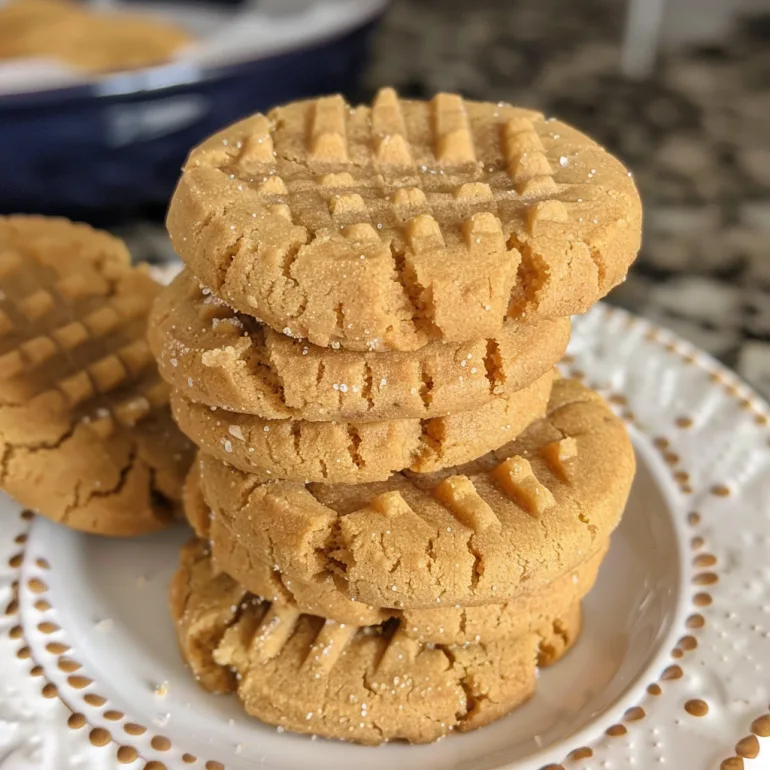
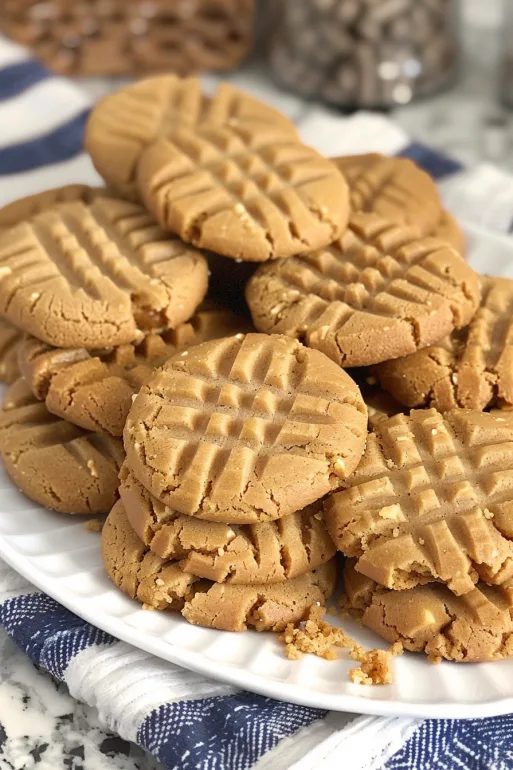
Getting that classic peanut butter cookie appearance takes a bit of practice, but it’s totally achievable. Roll the dough into balls about one inch in diameter, then place them on your prepared baking sheet with plenty of space between each one. Using a fork dipped in flour, press down gently to flatten each ball, creating the signature crosshatch pattern. Rotate the fork ninety degrees and press again. The key is being gentle—you want to flatten the cookies to about one-quarter inch thickness without pressing too hard. This pattern isn’t just decorative; it helps the cookies bake evenly and gives them their traditional appearance that everyone recognizes and loves.
Baking to Golden Perfection
Temperature and Timing Secrets
Baking temperature might seem straightforward, but it’s actually one of the most critical factors in cookie success. For these Homemade Nutter Butter Cookies, a temperature of 350 degrees Fahrenheit hits the sweet spot. At this temperature, the cookies bake through without burning the edges or leaving the centers raw. Bake for approximately ten to twelve minutes, watching for the edges to turn golden brown while the centers still look slightly soft. Remember, cookies continue baking on the hot pan even after you remove them from the oven, so pulling them out when they look just barely done prevents overbaking. Resist the urge to touch them immediately—they need a few minutes on the baking sheet to firm up before transferring.
Cooling and Storage Strategies
Proper cooling is just as important as proper baking. After letting cookies rest on the baking sheet for about five minutes, carefully transfer them to a wire rack using a spatula. This allows air to circulate completely around each cookie, preventing sogginess. Let them cool completely before adding the filling—warm cookies will melt the peanut butter cream and create a mess. Once filled and assembled, store your cookies in an airtight container at room temperature for up to five days. If you want to keep them longer, freeze the unfilled cookies for up to three months, then thaw and fill them whenever you’re ready to enjoy them.
Creating the Irresistible Peanut Butter Filling
Whipping Up Cream Cheese Alternative Filling
The filling is what transforms ordinary peanut butter cookies into authentic Homemade Nutter Butter Cookies. Beat together the additional peanut butter with powdered sugar until combined, then add heavy cream one tablespoon at a time until you reach a smooth, spreadable consistency. The mixture should be thick enough to hold its shape but soft enough to spread easily without tearing the cookies. If it’s too thick, add a bit more cream; if it’s too thin, incorporate more powdered sugar. This filling captures that nostalgic flavor profile while being infinitely creamier and more delicious than anything you’d find in a package. The heavy cream adds richness that makes each bite absolutely heavenly.
Assembly Techniques for Professional Results
Assembling your sandwich cookies requires a gentle touch and a bit of patience. Turn half of your cooled cookies upside down so the flat bottom is facing up. Using an offset spatula or butter knife, spread about one tablespoon of filling onto each inverted cookie, leaving a small border around the edges. The filling will spread slightly when you press the top cookie on, so don’t overfill. Gently place a second cookie on top, flat side down, and press very lightly to spread the filling to the edges. Work carefully to avoid breaking the delicate cookies. Line them up on a platter or in a container, and if you can resist eating them all immediately, let them sit for about thirty minutes so the filling can set slightly.
Troubleshooting Common Cookie Challenges
Solving Texture and Consistency Issues
Sometimes cookies don’t turn out exactly as planned, but most problems have simple solutions. If your cookies spread too much, your butter was likely too warm or you didn’t use enough flour—try chilling the dough for thirty minutes before baking next time. Conversely, if they don’t spread enough and remain too thick, you might have added too much flour or your butter wasn’t soft enough. Cookies that are too hard usually result from overbaking, while cookies that are too soft might need an extra minute or two in the oven. Dense, tough cookies often indicate overmixing, so remember to mix just until ingredients are combined. Pay attention to these details, and your next batch will turn out perfectly.
Filling Problems and Fixes
The filling can present its own set of challenges. If it’s too runny, add more powdered sugar a quarter cup at a time until it thickens. On the other hand, if it’s too stiff to spread, thin it with additional heavy cream, adding just a teaspoon at a time. Sometimes the filling squishes out the sides when you press the cookies together—this simply means you used too much filling, so reduce the amount slightly. If the filling seems grainy, keep beating it longer to help the powdered sugar fully incorporate. Temperature matters too; if your kitchen is very warm, the filling might soften too much, so consider refrigerating it for fifteen minutes before assembling your cookies.
Frequently Asked Questions
Can I use crunchy peanut butter instead of creamy?
While you can use crunchy peanut butter for added texture, creamy peanut butter is recommended for the most authentic Homemade Nutter Butter Cookies experience.
How long do these cookies stay fresh?
When stored properly in an airtight container at room temperature, assembled peanut butter sandwich cookies will stay fresh for up to five days.
Why did my cookies turn out too crumbly?
Crumbly cookies usually result from too much flour or not enough fat in the recipe. Make sure you’re measuring flour correctly by spooning it into the measuring cup and leveling it off rather than scooping directly from the bag, which packs in too much flour.
Can I make the dough ahead of time?
Absolutely! Cookie dough can be made up to three days in advance and stored in the refrigerator, tightly wrapped in plastic wrap. You can also freeze the dough for up to three months.
What’s the best way to get evenly sized cookies?
Using a cookie scoop is the most reliable method for creating uniform cookies. A medium cookie scoop that holds about one tablespoon of dough works perfectly for these cookies.
Conclusion
Making Homemade Nutter Butter Cookies from scratch transforms a nostalgic childhood treat into something truly extraordinary. These cookies combine simplicity with sophistication, delivering that classic peanut butter flavor we all know and love while offering superior taste and texture that store-bought versions simply can’t match.
Print
Homemade Nutter Butter Cookies
- Total Time: 32 minutes
- Yield: 24 sandwich cookies 1x
Description
Classic peanut butter sandwich cookies with creamy filling that taste even better than the store-bought version. Crispy edges, tender centers, and nostalgic flavor in every bite.
Ingredients
- 2 cups all-purpose flour
- 1 teaspoon baking soda
- 1/2 teaspoon salt
- 1/2 cup unsalted butter, softened
- 1/2 cup creamy peanut butter
- 1/2 cup granulated sugar
- 1/2 cup light brown sugar, packed
- 1 large egg
- 1 teaspoon vanilla extract
- 1 1/2 cups powdered sugar
- 3/4 cup creamy peanut butter (for filling)
- 2–3 tablespoons heavy cream
Instructions
- 1. Preheat oven to 350°F and line baking sheets with parchment paper.
- 2. Whisk together flour, baking soda, and salt in a medium bowl.
- 3. Beat softened butter, 1/2 cup peanut butter, granulated sugar, and brown sugar until light and fluffy, about 3-4 minutes.
- 4. Add egg and vanilla extract, beating until well combined.
- 5. Gradually mix in dry ingredients just until combined, being careful not to overmix.
- 6. Roll dough into 1-inch balls and place on prepared baking sheets, spacing them 2 inches apart.
- 7. Use a fork dipped in flour to press crosshatch pattern into each cookie, flattening to about 1/4 inch thickness.
- 8. Bake for 10-12 minutes until edges are golden brown but centers still look slightly soft.
- 9. Let cookies cool on baking sheet for 5 minutes, then transfer to wire rack to cool completely.
- 10. For filling, beat 3/4 cup peanut butter with powdered sugar, then add heavy cream one tablespoon at a time until smooth and spreadable.
- 11. Spread about 1 tablespoon of filling on the flat side of half the cookies, then top with remaining cookies to create sandwiches.
- 12. Let assembled cookies sit for 30 minutes before serving to allow filling to set.
Notes
Store assembled cookies in an airtight container at room temperature for up to 5 days. For longer storage, freeze unfilled cookies for up to 3 months and fill as needed. If filling is too thick, add more cream; if too thin, add more powdered sugar.
- Prep Time: 20 minutes
- Cook Time: 12 minutes
- Category: Dessert
- Method: Baking
- Cuisine: American
Nutrition
- Serving Size: 1 sandwich cookie
- Calories: 185
- Sugar: 13g
- Sodium: 125mg
- Fat: 10g
- Carbohydrates: 21g
- Fiber: 1g
- Protein: 4g