
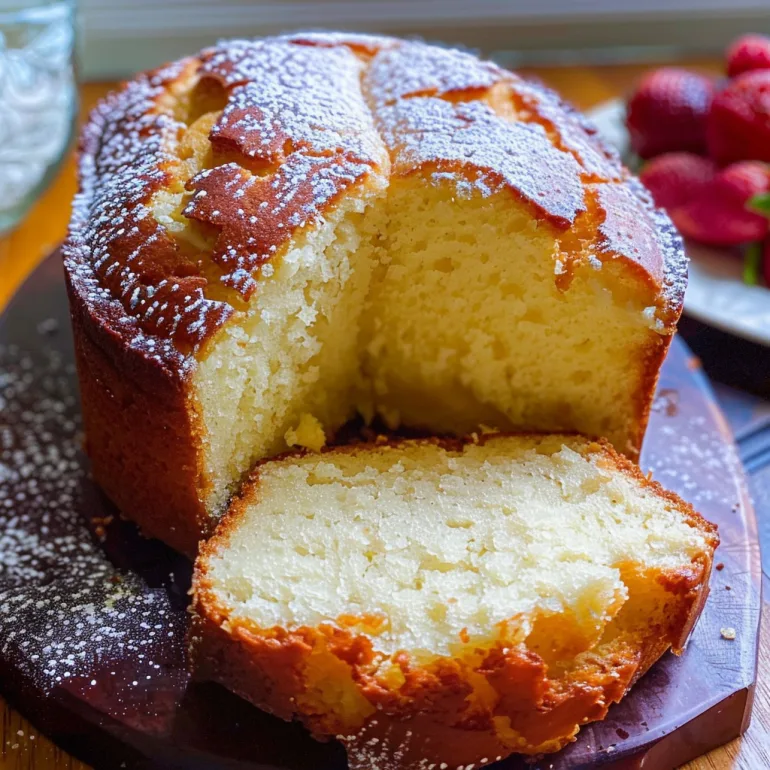
If you’re looking for a dessert that combines rich, buttery flavor with a tender, melt-in-your-mouth crumb, this cream cheese pound cake is exactly what you need. Unlike traditional pound cakes, this version incorporates cream cheese into the batter, creating an incredibly moist texture that stays fresh for days.
Essential Baking Tips for Perfect Results
Preparing Your Pan Properly
The key to releasing your pound cake without any sticking issues lies in proper pan preparation. Start by generously greasing your bundt pan or loaf pan with butter, making sure to coat every nook and cranny. Then, dust the greased pan with flour, tapping out any excess to create an even coating. Alternatively, you can use a baking spray that contains flour for convenience. Never skip this step, as pound cakes have a tendency to stick due to their dense texture and high sugar content. If you’re using a bundt pan with intricate designs, pay extra attention to the detailed areas by using a pastry brush to ensure complete coverage.
Temperature Matters More Than You Think
Room temperature ingredients are absolutely crucial for this recipe’s success. Cold butter and cream cheese won’t cream properly, resulting in a grainy batter with poor structure. Similarly, cold eggs can cause the batter to curdle or separate, affecting the final texture. To bring ingredients to room temperature quickly, leave butter and cream cheese on the counter for about an hour before starting. For eggs, place them in a bowl of warm water for five to ten minutes. This small investment of time makes a tremendous difference in how smoothly your batter comes together and how evenly your cake bakes.
Ingredients
| Ingredient | Quantity |
|---|---|
| Unsalted butter, softened | 1½ cups (3 sticks) |
| Cream cheese, softened | 8 ounces (1 package) |
| Granulated sugar | 3 cups |
| Large eggs, room temperature | 6 |
| All-purpose flour | 3 cups |
| Pure vanilla extract | 2 teaspoons |
| Almond extract (optional) | ½ teaspoon |
| Salt | ¼ teaspoon |
Step-by-Step Baking Instructions
Mixing the Batter Like a Pro
Begin by preheating your oven to 325°F, which is slightly lower than standard cake temperatures to prevent over-browning. In a large mixing bowl, combine the softened butter and cream cheese, beating them together on medium speed for about three minutes until completely smooth. Next, gradually add the sugar, continuing to beat for another five to seven minutes until the mixture becomes pale and fluffy. This extended creaming time is essential because it incorporates air bubbles that help the cake rise. After that, add eggs one at a time, beating well after each addition and scraping down the bowl sides periodically. Finally, reduce the mixer speed to low and add the flour, vanilla extract, almond extract if using, and salt, mixing just until combined to avoid overdeveloping the gluten.
Achieving the Perfect Bake
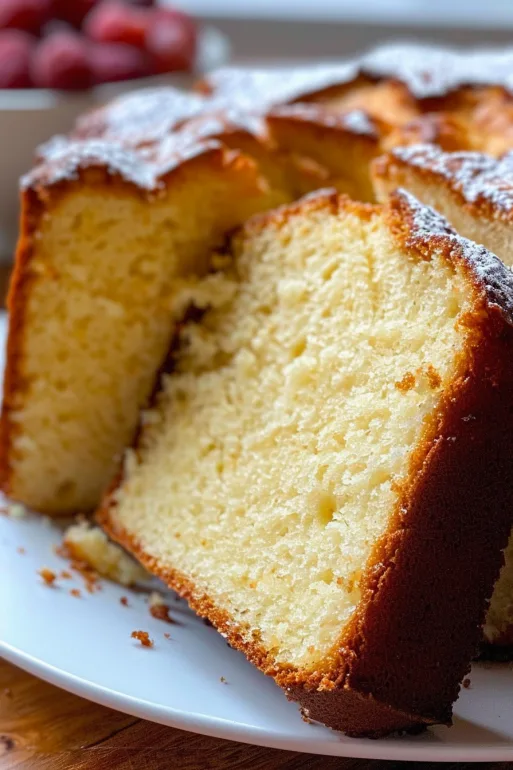
Pour the batter into your prepared pan, smoothing the top with a spatula to ensure even baking. Gently tap the pan on the counter a few times to release any air bubbles trapped in the batter. Place the pan in the center of your preheated oven and bake for approximately 75 to 90 minutes, depending on your pan size and oven characteristics. The cake is done when a toothpick inserted into the center comes out clean or with just a few moist crumbs attached. Importantly, resist the urge to open the oven door during the first hour of baking, as sudden temperature changes can cause the cake to collapse. Once baked, let the cake cool in the pan for about 15 minutes before inverting it onto a wire rack to cool completely.
Flavor Variations to Try
Citrus-Infused Delight
Transform your basic pound cake into a refreshing citrus sensation by adding lemon or orange zest to the batter. Simply incorporate two tablespoons of freshly grated lemon zest or three tablespoons of orange zest when you add the vanilla extract. The citrus oils brighten the rich, buttery flavor without overwhelming the cream cheese’s subtle tang. For an extra burst of flavor, brush the warm cake with a simple glaze made from powdered sugar and fresh citrus juice. This variation works wonderfully for spring gatherings and afternoon tea parties, offering a lighter taste profile that pairs beautifully with fresh berries.
Chocolate Lover’s Version
Create a chocolate cream cheese pound cake by replacing half a cup of flour with unsweetened cocoa powder. Sift the cocoa powder with the flour before adding it to the batter to prevent lumps. Additionally, you can fold in a cup of chocolate chips for extra indulgence. The combination of cream cheese and chocolate creates an incredibly decadent dessert that rivals any bakery creation. For the ultimate chocolate experience, drizzle the cooled cake with chocolate ganache made from heavy cream and semi-sweet chocolate. This version is perfect for birthday celebrations or whenever you need a show-stopping dessert that will impress your guests.
Common Mistakes and How to Avoid Them
Preventing a Dense, Heavy Texture
One of the most frequent issues home bakers encounter is a pound cake that turns out too dense or heavy. This usually happens when the butter and cream cheese aren’t creamed long enough, or when too much flour gets incorporated into the batter. To prevent this problem, always measure flour by spooning it into your measuring cup and leveling it off with a knife, rather than scooping directly from the bag. Scooping can pack up to 25% more flour into the cup, leading to a dry, heavy cake. Additionally, avoid overmixing once you add the flour, as this develops gluten strands that create a tough texture instead of the tender crumb you’re aiming for.
Fixing Cracks and Uneven Rising
While a slight crack on top of pound cake is traditional and actually desirable, excessive cracking or uneven rising indicates baking issues. Typically, this occurs when the oven temperature is too high, causing the outside to set before the inside finishes rising. Using an oven thermometer helps ensure accurate temperature, as many home ovens run hotter or cooler than their settings indicate. Another common cause is opening the oven door too early, which allows heat to escape and disrupts the rising process. If your cake consistently develops a large hump in the center, try lowering the temperature by 25 degrees and extending the baking time slightly for more even results.
Storage and Serving Suggestions
Keeping Your Cake Fresh
Proper storage ensures your cream cheese pound cake maintains its incredible texture and flavor for several days. Once the cake has cooled completely, wrap it tightly in plastic wrap or aluminum foil to prevent it from drying out. Stored at room temperature, the cake will stay fresh for up to five days, though it’s usually devoured much sooner. For longer storage, wrap the cake in plastic wrap and then in aluminum foil before freezing for up to three months. When you’re ready to enjoy it, thaw the cake overnight in the refrigerator while still wrapped, which prevents condensation from making the exterior soggy. Interestingly, many people find that pound cake actually improves after a day or two, as the flavors meld together and the texture becomes even more tender.
Creative Serving Ideas
While this pound cake is absolutely delicious on its own, there are countless ways to dress it up for special occasions. Serve thick slices with fresh whipped cream and seasonal berries for an elegant dessert. Alternatively, toast slices in butter on a griddle for a decadent breakfast treat that pairs wonderfully with coffee. During summer months, grill pound cake slices until lightly charred and serve with vanilla ice cream and grilled peaches. For holiday gatherings, dust the cake with powdered sugar and garnish with candied cranberries and fresh rosemary sprigs. The neutral flavor profile of this cake makes it incredibly versatile, complementing virtually any accompaniment you choose.
Frequently Asked Questions
Can I make this cake in advance?
Absolutely! In fact, cream cheese pound cake is an excellent make-ahead dessert that actually benefits from resting for a day before serving. The flavors develop and deepen over time, while the texture becomes even more tender and moist.
Why did my cake sink in the middle?
A sunken center typically indicates that the cake wasn’t fully baked, even if the top appeared done. This can happen when the oven temperature is too high, causing the exterior to set and brown before the interior finishes cooking.
Can I use salted butter instead of unsalted?
While you can technically use salted butter, it’s not recommended for this recipe. Unsalted butter allows you to control the exact amount of salt in your cake, ensuring balanced flavor.
What’s the best pan to use for this recipe?
This recipe works beautifully in either a 10-inch bundt pan or two 9×5-inch loaf pans. The bundt pan creates a stunning presentation perfect for special occasions, while loaf pans make slicing easier and provide a more traditional pound cake shape.
How do I know when the cake is done?
The most reliable method is the toothpick test combined with visual cues. Insert a wooden toothpick or cake tester into the center of the cake; it should come out clean or with just a few moist crumbs attached, but no wet batter.
Conclusion
This cream cheese pound cake recipe represents the perfect marriage of classic baking tradition and modern flavor preferences. By incorporating cream cheese into the traditional pound cake formula, you get a dessert that’s incredibly moist, tender, and rich without being overwhelmingly heavy. Throughout this guide, you’ve learned not only how to make the cake itself but also how to troubleshoot common problems, customize flavors, and store your creation for maximum freshness.
Print
Cream Cheese Pound Cake
- Total Time: 105 minutes
- Yield: 12 servings 1x
- Diet: Vegetarian
Description
A rich, moist pound cake with cream cheese that creates an incredibly tender crumb and buttery flavor. Perfect for any occasion.
Ingredients
- 1½ cups (3 sticks) unsalted butter, softened
- 8 ounces (1 package) cream cheese, softened
- 3 cups granulated sugar
- 6 large eggs, room temperature
- 3 cups all-purpose flour
- 2 teaspoons pure vanilla extract
- ½ teaspoon almond extract (optional)
- ¼ teaspoon salt
Instructions
- 1. Preheat oven to 325°F. Generously grease and flour a 10-inch bundt pan or two 9×5-inch loaf pans.
- 2. In a large mixing bowl, beat softened butter and cream cheese together on medium speed for 3 minutes until completely smooth and well combined.
- 3. Gradually add sugar and continue beating for 5-7 minutes until the mixture becomes pale, light, and fluffy.
- 4. Add eggs one at a time, beating well after each addition and scraping down the bowl sides as needed.
- 5. Reduce mixer speed to low. Add flour, vanilla extract, almond extract (if using), and salt, mixing just until combined. Do not overmix.
- 6. Pour batter into prepared pan(s) and smooth the top. Tap pan gently on counter to release air bubbles.
- 7. Bake for 75-90 minutes for bundt pan (60-70 minutes for loaf pans), or until a toothpick inserted in the center comes out clean.
- 8. Cool in pan for 15 minutes, then invert onto a wire rack to cool completely before serving.
Notes
Store tightly wrapped at room temperature for up to 5 days, or freeze for up to 3 months. Cake tastes even better the next day as flavors meld together. All ingredients must be at room temperature for best results.
- Prep Time: 20 minutes
- Cook Time: 85 minutes
- Category: Dessert
- Method: Baking
- Cuisine: American
Nutrition
- Serving Size: 1 slice
- Calories: 450
- Sugar: 36g
- Sodium: 180mg
- Fat: 24g
- Carbohydrates: 54g
- Fiber: 1g
- Protein: 7g