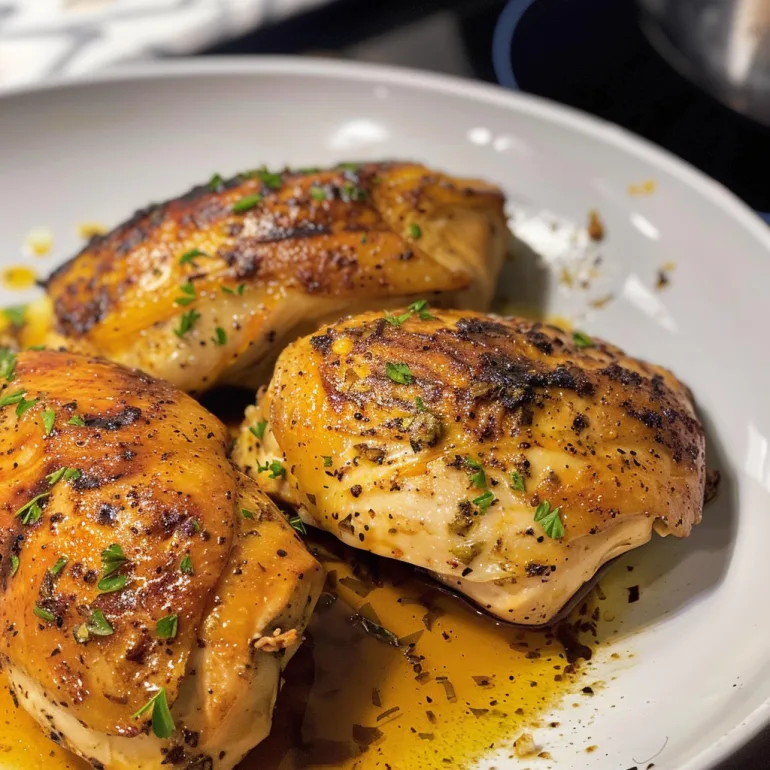
Looking for a foolproof way to cook tender, juicy chicken breast every single time? This Instant Pot Chicken Breast Recipe is your answer to perfectly cooked poultry without the guesswork. Whether you’re meal prepping for the week ahead or need a quick protein solution for tonight’s dinner, the pressure cooker transforms ordinary chicken breasts into succulent, flavorful meat in under 30 minutes. Unlike traditional cooking methods that often leave you with dry, rubbery results, this technique locks in moisture while infusing incredible flavor throughout every bite.
Essential Equipment and Preparation Tips
Setting Up Your Instant Pot for Success
Before diving into cooking, ensure your electric pressure cooker is properly assembled and functioning. Check that the sealing ring is correctly positioned in the lid—a common oversight that prevents proper pressurization. The float valve should move freely, and the steam release handle should toggle smoothly between sealing and venting positions. Always verify that the inner pot is clean and properly seated within the heating element.
Temperature matters when it comes to chicken preparation. Remove your chicken breasts from the refrigerator about 15 minutes before cooking to allow them to come closer to room temperature. This practice promotes more even cooking throughout the meat. Meanwhile, gather all your seasonings and liquids, placing them within easy reach. Having everything prepared in advance streamlines the cooking process and prevents scrambling mid-recipe.
Selecting and Preparing the Perfect Chicken Breasts
Quality ingredients yield quality results. Choose chicken breasts that are similar in size and thickness to ensure uniform cooking. If you’re working with particularly thick breasts—anything over 8 ounces—consider butterflying them or pounding them to a more consistent thickness. Pat the chicken dry with paper towels before seasoning; this step helps the spices adhere better and promotes better browning if you choose to sear first.
Inspect each piece carefully, trimming away any excess fat or connective tissue. While boneless, skinless breasts are standard for this recipe, you can adapt it for bone-in pieces by increasing the cooking time by 5-7 minutes. Fresh chicken works beautifully, but frozen chicken breasts can also be used—simply add 5 additional minutes to the pressure cooking time and ensure they’re separated before cooking.
Ingredients
| Ingredient | Quantity |
|---|---|
| Boneless, skinless chicken breasts | 3 large (about 2 pounds) |
| Chicken broth or water | 1 cup |
| Olive oil | 1 tablespoon |
| Garlic powder | 1 teaspoon |
| Onion powder | 1 teaspoon |
| Paprika | 1/2 teaspoon |
| Salt | 1 teaspoon |
| Black pepper | 1/2 teaspoon |
| Italian seasoning | 1 teaspoon |
Step-by-Step Cooking Instructions
Seasoning and Layering Your Chicken
Begin by combining your dry seasonings in a small bowl—garlic powder, onion powder, paprika, salt, black pepper, and Italian seasoning. This spice blend creates a versatile, savory profile that complements countless dishes. Drizzle the olive oil over both sides of each chicken breast, then massage the seasoning mixture evenly across all surfaces. Don’t be shy with the seasoning; the chicken can handle bold flavors.
Pour one cup of chicken broth into the Instant Pot inner pot. The liquid is absolutely crucial—it creates the steam necessary for pressurization. You can substitute water, vegetable broth, or white wine depending on your preference. Place the trivet that came with your pressure cooker into the pot, then arrange the seasoned chicken breasts on top. Stacking is acceptable if needed, but try to stagger pieces rather than placing them directly on top of each other for better steam circulation.
Pressure Cooking Process and Natural Release
Secure the Instant Pot lid, ensuring it’s locked in place. Turn the steam release valve to the “Sealing” position—this is critical for building pressure. Select the “Pressure Cook” or “Manual” button, then set the timer for 10 minutes on high pressure for fresh chicken or 15 minutes for frozen. The pot will take approximately 10-15 minutes to come to pressure before the actual cooking time begins.
Once the cooking cycle completes, allow for a 5-minute natural pressure release. This means you’ll wait 5 minutes before manually releasing any remaining pressure. Natural release allows the chicken to continue cooking gently while the pressure gradually decreases, resulting in more tender, juicy meat. After 5 minutes, carefully turn the valve to “Venting” to release remaining steam. Always keep your hands and face away from the steam valve during release.
Achieving Perfect Texture and Flavor
Temperature Testing and Doneness Indicators
Food safety is paramount when cooking poultry. Use an instant-read thermometer to verify that the thickest part of each chicken breast reaches 165°F—the USDA-recommended safe minimum internal temperature. Insert the thermometer horizontally into the center of the breast, avoiding contact with the pot bottom which could give a false reading. If the chicken hasn’t reached temperature, return it to the pot, seal the lid, and cook for an additional 2-3 minutes.
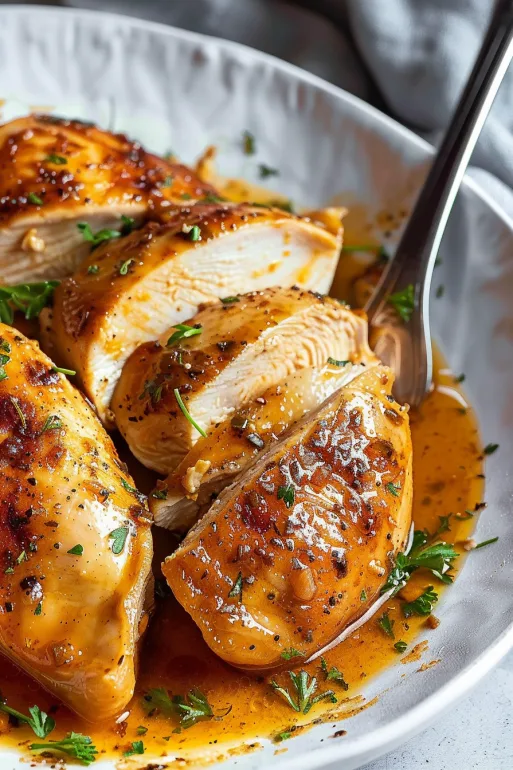
Visual cues also indicate proper doneness. Fully cooked chicken breast appears white throughout with no pink areas remaining. The juices should run clear rather than pink when pierced with a fork. The texture should feel firm yet yielding to gentle pressure. However, don’t rely solely on appearance—always confirm with a thermometer to ensure both safety and quality.
Resting and Serving Techniques
Resist the temptation to slice into your chicken immediately after removing it from the pressure cooker. Allow the meat to rest for 5 minutes on a cutting board or serving platter. This brief resting period lets the juices redistribute throughout the meat rather than running out onto your cutting board. Consequently, each bite will be more flavorful and moist.
For slicing, use a sharp knife and cut against the grain—those visible lines running through the meat. Cutting against the grain shortens the muscle fibers, resulting in more tender bites. If you’re shredding the chicken for recipes like tacos, enchiladas, or chicken salad, use two forks to pull the meat apart while it’s still warm. The chicken shreds effortlessly when hot and absorbs additional seasonings or sauces beautifully.
Flavor Variations and Seasoning Options
International Seasoning Profiles
Transform your basic pressure cooked chicken into global cuisine with strategic seasoning swaps. For Mexican-inspired chicken, replace the Italian seasoning with cumin, chili powder, and a squeeze of lime juice after cooking. Greek-style chicken calls for oregano, lemon zest, and a touch of garlic. Asian flavors shine through with ginger, five-spice powder, and a splash of soy sauce in the cooking liquid.
Cajun chicken lovers should combine paprika, cayenne pepper, garlic powder, and dried thyme for that authentic Louisiana kick. Indian-inspired versions benefit from curry powder, turmeric, and garam masala. Each variation follows the same basic technique—simply adjust the seasoning blend while maintaining the liquid requirement and cooking time. This adaptability makes the recipe endlessly useful throughout the week.
Creating Rich Sauces from Cooking Liquid
Don’t discard that flavorful liquid remaining in your pot—it’s liquid gold for sauce-making. After removing the chicken, switch your Instant Pot to the “Sauté” function. In a small bowl, whisk together two tablespoons of cornstarch with three tablespoons of cold water to create a slurry. Pour this mixture into the simmering cooking liquid while stirring constantly. The sauce will thicken within 2-3 minutes, creating a delicious gravy perfect for drizzling over rice, mashed potatoes, or the chicken itself.
Alternatively, add heavy cream and grated Parmesan cheese for a creamy Italian-style sauce. A splash of balsamic vinegar and honey creates a tangy-sweet glaze. Fresh herbs like parsley, basil, or cilantro brighten any sauce when stirred in at the end. The concentrated flavors in this cooking liquid provide an excellent foundation for countless sauce variations, ensuring nothing goes to waste.
Meal Prep and Storage Solutions
Batch Cooking Strategies for Weekly Meal Planning
Maximize your Instant Pot’s capacity by cooking up to four large chicken breasts simultaneously—perfect for meal prep enthusiasts. Once cooked and cooled, divide the chicken into individual portions based on your weekly meal plan. Store sliced chicken separately from shredded chicken, as different textures suit different dishes. Use airtight containers or vacuum-sealed bags to maintain freshness and prevent freezer burn.
Label each container with the date and any pre-added seasonings. Plain, unseasoned pressure cooked chicken serves as the most versatile base, allowing you to season it differently for each meal throughout the week. Consider preparing a double batch—use half immediately and freeze half for future quick meals. This strategy significantly reduces weeknight cooking stress while ensuring healthy, homemade protein is always available.
Proper Refrigeration and Freezing Guidelines
Refrigerate cooked chicken within two hours of cooking to prevent bacterial growth. Properly stored in airtight containers, your pressure cooked chicken remains fresh in the refrigerator for 3-4 days. For longer storage, freezing is your best option. Cooled chicken can be frozen for up to three months without significant quality loss. Freeze in portion-sized amounts for easier thawing—trying to separate frozen chicken pieces is frustrating and time-consuming.
When ready to use frozen chicken, thaw it safely in the refrigerator overnight rather than at room temperature. For quicker thawing, submerge the sealed container in cold water, changing the water every 30 minutes. Microwave thawing works in a pinch but may result in slightly less optimal texture. Never refreeze previously frozen chicken that has been thawed—this degrades quality and increases food safety risks.
Frequently Asked Questions
Can I cook frozen chicken breasts in the Instant Pot without thawing?
Absolutely! One of the greatest advantages of pressure cooking is the ability to cook frozen chicken breasts directly from the freezer. Simply add 5 additional minutes to your cooking time, making it 15 minutes total on high pressure instead of 10. Ensure the frozen breasts are separated and not stuck together in a solid block.
How do I prevent the chicken from becoming rubbery or tough?
The key to tender chicken lies in precise timing and proper pressure release. Avoid overcooking by sticking to 10 minutes for fresh, average-sized breasts.
What’s the minimum amount of liquid needed in the Instant Pot?
The Instant Pot requires a minimum of one cup of liquid to generate sufficient steam for pressurization. This liquid doesn’t necessarily make your chicken “wet” because the meat sits elevated on a trivet above the liquid.
Can I stack multiple chicken breasts in the Instant Pot?
Yes, you can stack chicken breasts when cooking multiple pieces, though staggering them works better than placing them directly on top of each other. The steam circulation remains sufficient for even cooking, but try to avoid compressing the pieces tightly together.
How can I add more flavor to pressure cooked chicken?
Several strategies boost flavor significantly. First, brown the chicken using the sauté function before pressure cooking—this caramelization adds depth. Second, use flavorful liquids like chicken stock, wine, or citrus juice instead of plain water.
Conclusion
Mastering this Instant Pot Chicken Breast Recipe opens up a world of quick, healthy meal possibilities. The combination of minimal hands-on time, consistent results, and incredible versatility makes it an invaluable technique for any home cook. Whether you’re preparing a simple weeknight dinner or batch-cooking proteins for the entire week, this method delivers tender, juicy chicken that surpasses traditional cooking methods in both quality and convenience.
Print
Instant Pot Chicken Breast Recipe
- Total Time: 35 minutes
- Yield: 4 servings 1x
Description
Perfectly juicy and tender pressure cooked chicken breasts ready in just 15 minutes. This foolproof method delivers consistent results every time with minimal effort and maximum flavor.
Ingredients
- 3 large boneless, skinless chicken breasts (about 2 pounds)
- 1 cup chicken broth or water
- 1 tablespoon olive oil
- 1 teaspoon garlic powder
- 1 teaspoon onion powder
- 1/2 teaspoon paprika
- 1 teaspoon salt
- 1/2 teaspoon black pepper
- 1 teaspoon Italian seasoning
Instructions
- 1. Pat chicken breasts dry with paper towels. Drizzle olive oil over both sides of each breast.
- 2. In a small bowl, combine garlic powder, onion powder, paprika, salt, black pepper, and Italian seasoning. Rub seasoning mixture evenly over all sides of chicken breasts.
- 3. Pour chicken broth into the Instant Pot inner pot. Place trivet inside the pot.
- 4. Arrange seasoned chicken breasts on the trivet, stacking if necessary but staggering for better steam circulation.
- 5. Secure the Instant Pot lid and turn the steam release valve to “Sealing” position.
- 6. Select “Pressure Cook” or “Manual” and set timer for 10 minutes on high pressure for fresh chicken (15 minutes for frozen).
- 7. When cooking cycle completes, allow 5 minutes natural pressure release, then carefully turn valve to “Venting” to release remaining steam.
- 8. Check internal temperature reaches 165°F with an instant-read thermometer.
- 9. Remove chicken and let rest for 5 minutes before slicing or shredding. Serve immediately or store for meal prep.
Notes
Store cooked chicken in airtight containers in the refrigerator for 3-4 days or freeze for up to 3 months. This chicken works perfectly for meal prep, salads, tacos, sandwiches, or as a standalone protein with your favorite sides. For a pan sauce, use the remaining cooking liquid with cornstarch to create a delicious gravy.
- Prep Time: 10 minutes
- Cook Time: 10 minutes
- Category: Main Dish
- Method: Pressure Cooking
- Cuisine: American
Nutrition
- Serving Size: 1 chicken breast
- Calories: 285
- Sugar: 0g
- Sodium: 680mg
- Fat: 8g
- Carbohydrates: 2g
- Fiber: 0g
- Protein: 35g