Learning how to make meatballs is one of those essential cooking skills that’ll transform your weeknight dinners forever. Whether you’re craving Italian comfort food, planning a crowd-pleasing party appetizer, or simply looking to elevate your pasta night, homemade meatballs deliver unbeatable flavor and texture that store-bought versions just can’t match.
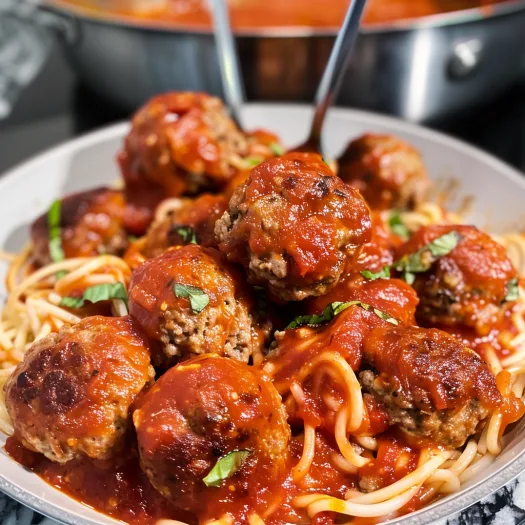
The beauty of homemade meatballs lies in their simplicity and adaptability. In fact, with just a handful of basic ingredients and proper technique, you’ll create tender, juicy meatballs that rival any restaurant version. Additionally, they freeze beautifully, making them perfect for meal prep and busy weeknights when you need dinner on the table fast.
Understanding the Foundation of Perfect Meatballs
Choosing the Right Meat Combination
The secret to exceptionally flavorful meatballs starts with selecting the proper meat blend. Furthermore, using a combination of ground beef and beef creates the ideal balance of flavor and fat content. The beef provides robust, savory depth while the beef adds moisture and subtle sweetness that prevents your meatballs from becoming dry or dense.
When shopping for ground beef, look for an 80/20 blend, which means 80% lean meat and 20% fat. Subsequently, this fat ratio ensures your meatballs stay juicy during cooking without becoming greasy. Additionally, ground beef typically contains around 15-20% fat, complementing the beef perfectly. However, if you prefer leaner options, you can substitute ground turkey or chicken, though you’ll need to add extra moisture through ingredients like grated zucchini or additional olive oil.
The Role of Binders and Panade
Creating a panade—a mixture of breadcrumbs soaked in milk—is absolutely crucial for achieving tender, moist meatballs. Consequently, this simple step transforms ordinary ingredients into something extraordinary. The milk-soaked breadcrumbs act as tiny sponges that retain moisture during cooking, preventing your meatballs from becoming tough or dry.
Moreover, eggs serve as the binding agent that holds everything together without making the mixture dense. Nevertheless, be careful not to overwork the meat mixture, as this can lead to tough, chewy meatballs. Therefore, mix just until the ingredients are evenly distributed, then stop immediately.
Essential Preparation Techniques
Proper Mixing Methods
The way you combine your ingredients significantly impacts the final texture of your meatballs. First, create your panade by combining the breadcrumbs and milk in a large bowl, letting it sit for about five minutes until the breadcrumbs fully absorb the liquid. Meanwhile, prepare your other ingredients so everything’s ready when you need it.
Next, add the eggs, Parmesan cheese, parsley, garlic, and seasonings to the panade mixture. Then, gently fold in the ground meats using your hands or a fork. Interestingly, using your hands works best because you can feel when the mixture reaches the right consistency. However, avoid squeezing or compacting the meat, as this develops too much protein structure, resulting in dense meatballs.
Shaping and Sizing Consistency
Uniform sizing ensures all your meatballs cook evenly at the same rate. Therefore, using a portion scoop or measuring cup helps maintain consistency. Typically, a two-tablespoon scoop creates perfectly sized meatballs that cook through without burning on the outside.
Additionally, wet your hands with cold water before rolling each meatball to prevent sticking. Then, gently roll the mixture between your palms using minimal pressure. Indeed, the less you handle the meat, the more tender your finished meatballs will be. Furthermore, arrange the shaped meatballs on a parchment-lined baking sheet, leaving space between each one for even cooking.
Ingredients
| Ingredient | Quantity |
|---|---|
| Ground beef (80/20 blend) | 1 pound |
| Ground beef | 1/2 pound |
| Breadcrumbs (Italian-style) | 3/4 cup |
| Whole milk | 1/2 cup |
| Large eggs | 2 |
| Parmesan cheese (freshly grated) | 1/2 cup |
| Fresh parsley (chopped) | 1/4 cup |
| Garlic cloves (minced) | 4 |
| Salt | 1 1/2 teaspoons |
| Black pepper (freshly ground) | 1/2 teaspoon |
| Dried oregano | 1 teaspoon |
| Red pepper flakes (optional) | 1/4 teaspoon |
| Olive oil | 2 tablespoons |
Cooking Methods Explained
Baking for Hands-Off Convenience
Baking meatballs in the oven offers the easiest, most hands-off cooking method. First, preheat your oven to 400°F and line a rimmed baking sheet with parchment paper or lightly coat it with cooking spray. Subsequently, arrange your shaped meatballs on the prepared sheet, spacing them about an inch apart.
Then, bake for 20-25 minutes until the meatballs reach an internal temperature of 165°F when measured with a meat thermometer. Meanwhile, the high heat creates a lightly browned exterior while keeping the interior juicy and tender. Moreover, this method allows you to cook large batches simultaneously, making it perfect for meal prep or feeding a crowd.
Pan-Frying for Golden Crust
Pan-frying creates an irresistibly crispy, golden-brown crust that many people prefer. Heat olive oil in a large skillet over medium-high heat until it shimmers. Subsequently, carefully add the meatballs, working in batches to avoid overcrowding the pan, which would cause steaming instead of browning.
Cook the meatballs for about 2-3 minutes per side, turning them carefully to achieve even browning all around. However, note that pan-frying typically doesn’t cook meatballs completely through. Therefore, after browning, transfer them to your favorite sauce and let them finish cooking while simmering for another 15-20 minutes. Consequently, this method infuses the meatballs with sauce flavor while ensuring they’re fully cooked.
Flavor Variations and Customizations
International Flavor Profiles
While classic Italian-style meatballs never go out of style, experimenting with different flavor profiles keeps things exciting. For instance, Swedish meatballs incorporate warm spices like nutmeg and allspice, plus a creamy gravy that’s absolutely divine over egg noodles. Similarly, Greek-style meatballs feature fresh mint, oregano, and crumbled feta cheese for a Mediterranean twist.
Additionally, Asian-inspired meatballs might include ginger, scallions, and soy sauce, served with a sweet and tangy glaze. Meanwhile, Mexican albondigas incorporate cumin, cilantro, and chipotle peppers for a spicy kick. Therefore, don’t be afraid to experiment with different herbs, spices, and aromatics to create your signature version.
Dietary Modifications and Substitutions
Making meatballs that accommodate various dietary needs is surprisingly simple. For gluten-free versions, substitute regular breadcrumbs with gluten-free panko or crushed gluten-free crackers. Furthermore, almond flour works beautifully as a low-carb alternative that still provides the necessary binding.
Plant-based eaters can create delicious vegetarian meatballs using combinations of mushrooms, beans, lentils, or plant-based ground meat alternatives. Moreover, dairy-free versions simply require swapping regular milk for plant-based milk and nutritional yeast for Parmesan cheese. Consequently, everyone can enjoy this comforting dish regardless of their dietary preferences.
Sauce Pairings and Serving Suggestions
Classic Tomato-Based Sauces
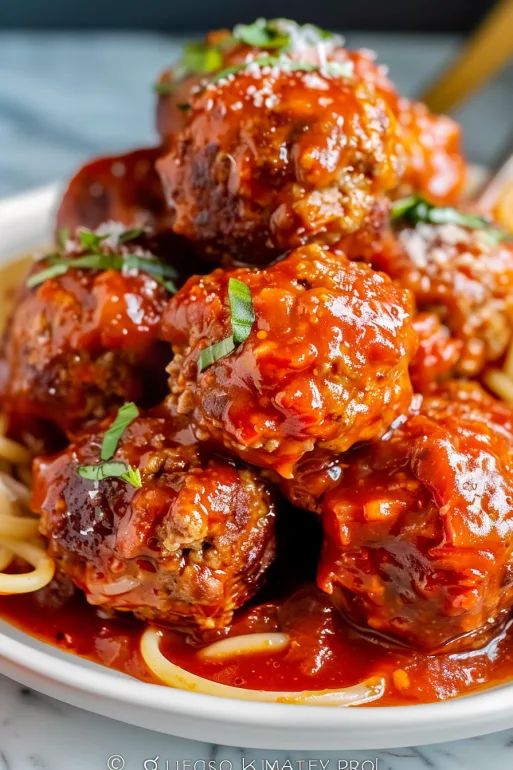
Traditional marinara sauce remains the most popular accompaniment for homemade meatballs. Simply combine crushed tomatoes, garlic, olive oil, fresh basil, and Italian seasonings in a large pot. Then, nestle your browned meatballs into the sauce and let everything simmer together for 30-40 minutes. Subsequently, the meatballs absorb the sauce flavors while releasing their own savory juices into the mix.
Alternatively, a rich tomato cream sauce offers luxurious comfort. Start with your basic marinara, then stir in heavy cream and additional Parmesan cheese for a silky, indulgent sauce that clings beautifully to both meatballs and pasta. Indeed, this combination transforms a simple weeknight dinner into something truly special.
Creative Serving Ideas
Beyond the classic spaghetti and meatballs, these versatile protein spheres shine in numerous applications. For example, pile them into crusty sub rolls with melted mozzarella for epic meatball sandwiches. Similarly, thread them onto skewers with vegetables for easy party appetizers that disappear quickly.
Furthermore, meatballs work wonderfully in soups, adding hearty substance to Italian wedding soup or minestrone. Additionally, serve them as a main course with mashed potatoes and gravy, rice pilaf, or creamy polenta. Therefore, once you’ve mastered the basic recipe, you’ll find countless ways to incorporate them into your meal rotation.
Frequently Asked Questions
Can I make meatballs ahead of time?
Absolutely! You can prepare meatballs in several ways ahead of time. Shape raw meatballs and refrigerate them for up to 24 hours before cooking, or freeze them raw for up to three months.
What’s the best way to keep meatballs moist?
The key to moist meatballs lies in three factors: proper fat content in your meat blend, creating a panade with milk-soaked breadcrumbs, and avoiding overcooking.
Do I need to brown meatballs before adding them to sauce?
Browning isn’t strictly necessary, but it adds significant flavor through the Maillard reaction, which creates complex, savory notes.
Why do my meatballs turn out tough?
Tough meatballs typically result from overmixing the meat mixture or using meat that’s too lean. When you overwork the meat, you develop too much protein structure, creating a dense, chewy texture.
Conclusion
Mastering how to make meatballs transforms your home cooking repertoire with a versatile, crowd-pleasing dish that works for everything from casual weeknight dinners to special occasions. By understanding the fundamental techniques—creating a proper panade, choosing the right meat blend, mixing gently, and cooking to the correct temperature—you’ll consistently produce tender, flavorful meatballs that rival any restaurant version.
Print
How to Make Meatballs
- Total Time: 40 minutes
- Yield: 24 meatballs 1x
Description
Learn how to make perfectly tender, juicy homemade meatballs with this foolproof recipe. These classic Italian-style meatballs feature a flavorful blend of beef with Parmesan cheese and fresh herbs.
Ingredients
- 1 pound ground beef (80/20 blend)
- 1/2 pound ground beef
- 3/4 cup Italian-style breadcrumbs
- 1/2 cup whole milk
- 2 large eggs
- 1/2 cup freshly grated Parmesan cheese
- 1/4 cup chopped fresh parsley
- 4 cloves garlic, minced
- 1 1/2 teaspoons salt
- 1/2 teaspoon freshly ground black pepper
- 1 teaspoon dried oregano
- 1/4 teaspoon red pepper flakes (optional)
- 2 tablespoons olive oil
Instructions
- 1. Preheat your oven to 400°F and line a rimmed baking sheet with parchment paper.
- 2. In a large bowl, combine breadcrumbs and milk. Let sit for 5 minutes until breadcrumbs fully absorb the liquid to create a panade.
- 3. Add eggs, Parmesan cheese, parsley, minced garlic, salt, black pepper, oregano, and red pepper flakes to the breadcrumb mixture. Stir until well combined.
- 4. Add ground beef to the bowl. Using your hands or a fork, gently mix just until all ingredients are evenly distributed. Avoid overmixing.
- 5. Using a two-tablespoon scoop or measuring cup, portion the mixture. With wet hands, gently roll each portion into a ball.
- 6. Arrange meatballs on the prepared baking sheet, spacing them about 1 inch apart.
- 7. Bake for 20-25 minutes until the meatballs reach an internal temperature of 165°F and are lightly browned on the outside.
- 8. Serve immediately with your favorite sauce and pasta, or use in sandwiches, soups, or as appetizers.
Notes
Store cooked meatballs in an airtight container in the refrigerator for up to 4 days. For freezing, arrange cooled meatballs in a single layer on a baking sheet and freeze until solid, then transfer to freezer bags for up to 3 months. Reheat directly from frozen in simmering sauce or warm gently in the microwave or oven.
- Prep Time: 15 minutes
- Cook Time: 25 minutes
- Category: Main Course
- Method: Baking
- Cuisine: Italian-American
Nutrition
- Serving Size: 3 meatballs
- Calories: 285
- Sugar: 2g
- Sodium: 520mg
- Fat: 18g
- Carbohydrates: 9g
- Fiber: 1g
- Protein: 22g