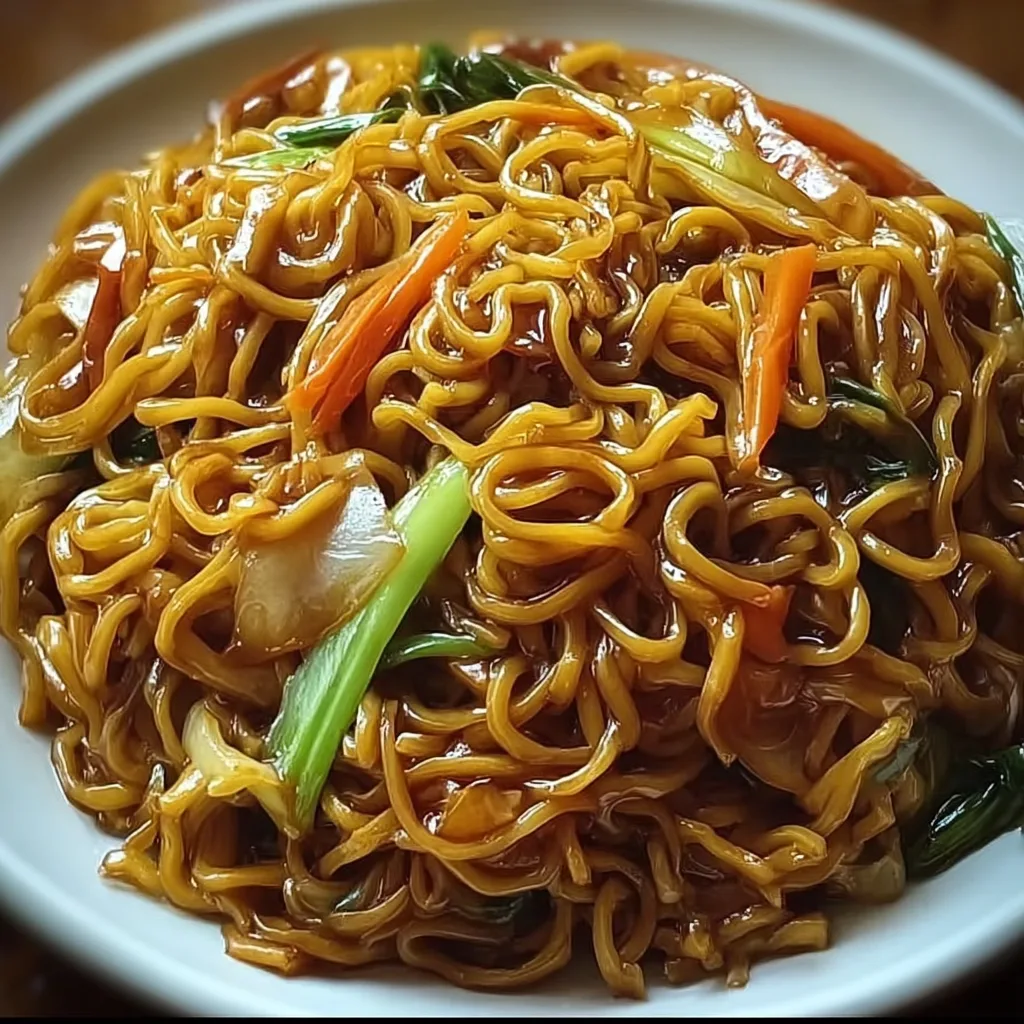
If you’ve been craving authentic Chinese takeout but want to skip the delivery fees and long wait times, this LO MEIN recipe is exactly what you need. Picture tender noodles tossed with crisp vegetables and savory sauce that rivals your favorite restaurant. Moreover, you’ll have dinner on the table faster than the delivery driver could reach your door.
Preparing Your Ingredients
Vegetable Selection and Preparation
The vegetable component brings color, nutrition, and textural contrast to your noodle dish. Traditional choices include cabbage, carrots, bell peppers, and snap peas, but you can customize based on what’s available. Cut everything into similar-sized pieces to ensure even cooking throughout the stir-frying process. Julienning carrots creates elegant ribbons that cook quickly and look professional. Meanwhile, shredding cabbage into thin strips helps it wilt perfectly without becoming mushy. Slice bell peppers on the bias for visual appeal and maximum surface area. This prep work might seem tedious, but it’s absolutely essential for restaurant-quality results.
Creating the Perfect Sauce
The sauce serves as the soul of any great stir-fried noodle recipe. Combining soy sauce, oyster sauce, sesame oil, and a touch of sugar creates complex umami flavors that coat every ingredient. Mix these components together before you start cooking so everything moves quickly once you’re at the stove. The oyster sauce adds depth and slight sweetness that balances the saltiness of soy sauce perfectly. Sesame oil contributes nutty richness that ties everything together beautifully. White pepper provides subtle heat without overwhelming other flavors. Having your sauce ready prevents overcooking and ensures even distribution throughout the dish.
Ingredients
| Ingredient | Quantity |
|---|---|
| Fresh lo mein noodles (or dried Chinese egg noodles) | 12 ounces |
| Vegetable oil | 2 tablespoons |
| Garlic cloves, minced | 4 cloves |
| Fresh ginger, grated | 1 tablespoon |
| Carrots, julienned | 1 cup |
| Cabbage, shredded | 2 cups |
| Bell pepper, sliced | 1 medium |
| Snap peas | 1 cup |
| Soy sauce | 3 tablespoons |
| Oyster sauce | 2 tablespoons |
| Sesame oil | 1 tablespoon |
| Brown sugar | 1 teaspoon |
| Green onions, chopped | 3 stalks |
| White pepper | 1/4 teaspoon |
Mastering the Cooking Technique
Proper Wok Temperature Control
High heat is non-negotiable when preparing authentic stir-fried dishes. Your wok or large skillet needs to be screaming hot before adding any ingredients. This intense heat creates that characteristic “wok hei” or breath of the wok that restaurants achieve. However, you’ll need to work quickly to prevent burning while ensuring everything cooks properly. Heat your cooking oil until it shimmers and almost begins smoking. Then add aromatics like garlic and ginger, which should sizzle immediately upon contact. The vegetables go in next, requiring constant movement to cook evenly without steaming. This technique might feel intimidating initially, but practice builds confidence quickly.
The Art of Tossing and Stirring
Professional chefs make tossing look effortless, but it requires practice and proper technique. Use a combination of stirring and flipping motions to keep ingredients moving constantly. A good wok spatula or large spoon helps you get under the ingredients and lift them. The goal is creating maximum contact between food and hot metal while preventing anything from sitting still long enough to burn. When adding noodles, break them up gently to separate any clumps before tossing with vegetables. Pour sauce around the edges of the pan rather than directly on noodles to let it heat up first. These small details make significant differences in final texture and flavor distribution.
Step-by-Step Cooking Instructions
Cooking and Preparing the Noodles
Begin by bringing a large pot of water to a rolling boil. Fresh lo mein noodles need only 2-3 minutes, while dried varieties might require 4-5 minutes. Cook them just until tender but still firm to the bite, as they’ll continue cooking when tossed in the wok. Drain immediately and rinse under cold water to stop the cooking process and remove excess starch. Toss the noodles with a small amount of oil to prevent sticking while you prepare other components. This step seems simple but timing matters tremendously for achieving the perfect texture. Overcooked noodles turn mushy and won’t hold up during stir-frying.
Bringing Everything Together
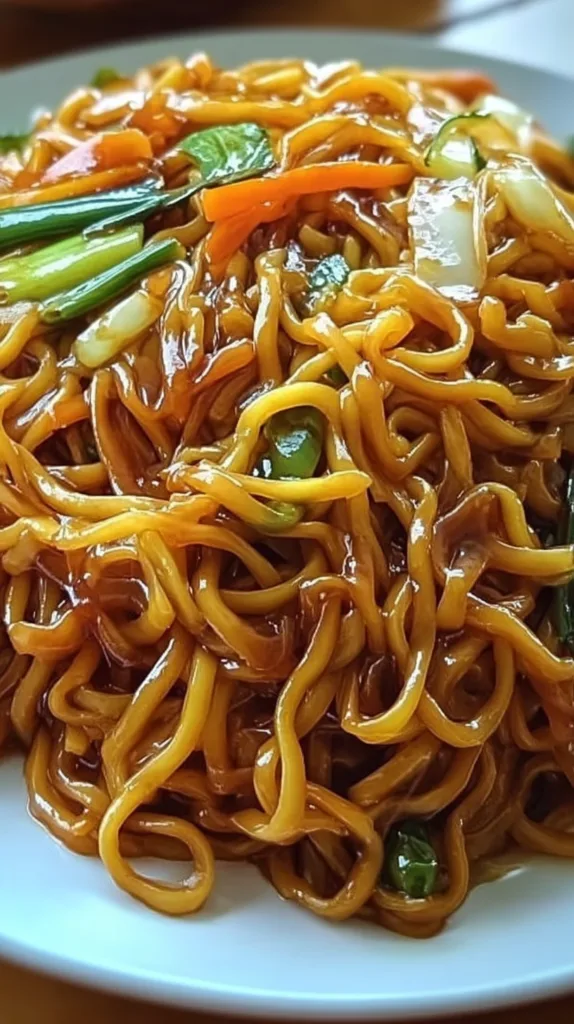
Once your noodles are ready, heat your wok over high heat until smoking. Add oil and swirl to coat the surface completely. Toss in minced garlic and grated ginger, stirring constantly for about 30 seconds until fragrant. Add harder vegetables like carrots first, followed by cabbage, peppers, and snap peas in quick succession. Stir-fry for 2-3 minutes until vegetables are crisp-tender. Push everything to the sides and add your cooked noodles to the center. Pour the prepared sauce over everything and toss vigorously for another 2 minutes. The noodles should absorb the sauce while picking up those beautiful caramelized bits from the wok. Finish with chopped green onions and serve immediately.
Customization and Variations
Protein Additions
Transform this vegetarian base into a complete meal by adding your favorite protein. Chicken, beef, shrimp, or tofu all work wonderfully with these flavors. Cook protein separately before the vegetables to ensure proper doneness and prevent overcrowding the wok. Slice chicken or beef thinly against the grain for tender results. Shrimp cooks incredibly fast, requiring only 2-3 minutes until pink and curled. Pressed and cubed tofu should be pan-fried until golden before adding to the final dish. Set cooked protein aside and add it back in with the noodles so everything reheats together.
Dietary Modifications
Adapting this recipe for different dietary needs is surprisingly straightforward. For gluten-free versions, use tamari instead of regular soy sauce and rice noodles instead of wheat-based varieties. Vegans can substitute the oyster sauce with mushroom-based alternatives that provide similar umami depth. Low-carb enthusiasts might try shirataki noodles or spiralized vegetables as noodle replacements. Each modification requires slight adjustments to cooking time and liquid amounts. Nevertheless, the fundamental technique remains the same regardless of which substitutions you choose. The beauty of this dish lies in its adaptability to personal preferences and requirements.
Common Mistakes and Solutions
Avoiding Soggy Noodles
Nothing disappoints quite like mushy, waterlogged noodles instead of the bouncy texture you’re expecting. This problem typically stems from overcooking the noodles initially or using too much sauce. Always undercook noodles slightly during the boiling phase since they’ll finish cooking in the wok. Drain them thoroughly and don’t let them sit in water. Use just enough sauce to coat ingredients without creating a puddle at the bottom of your plate. If your dish seems too wet, increase the heat and continue tossing until excess liquid evaporates. Additionally, avoid covering the wok, as trapped steam will make everything soggy.
Preventing Burnt Garlic
Burnt garlic tastes bitter and ruins the entire dish, yet it happens easily when working with high heat. The solution involves timing and technique rather than temperature reduction. Add garlic and ginger to the hot oil and immediately start stirring continuously. They should become fragrant within 30 seconds, which is your cue to add vegetables right away. Some cooks prefer adding garlic slightly later in the process with the vegetables to reduce burning risk. Another option involves mixing minced garlic directly into your sauce so it cooks more gently. Whichever method you choose, never let garlic sit still in hot oil for more than a few seconds.
Serving and Storage Tips
Best Serving Practices
Lo mein tastes best when served immediately while still piping hot from the wok. Transfer to warmed plates or bowls to maintain temperature longer. Garnish with extra green onions, sesame seeds, or a drizzle of chili oil for added visual appeal and flavor. This dish works wonderfully as a main course for 3-4 people or as a side dish for larger gatherings. Pair it with egg rolls, dumplings, or hot and sour soup for a complete Chinese feast. The presentation matters more than you might think, so take a moment to arrange everything nicely before serving. A sprinkle of toasted sesame seeds adds restaurant-quality finishing touches.
Proper Storage and Reheating
Leftover lo mein keeps well in the refrigerator for up to 4 days when stored in airtight containers. However, the texture changes slightly as noodles continue absorbing sauce during storage. Reheating in a hot skillet works better than microwaving because it helps restore some of the original texture. Add a splash of water or extra sauce if the noodles seem dry. Stir constantly over medium-high heat until everything is heated through. You can also enjoy leftovers cold as a noodle salad, though the flavors will be more muted. Unfortunately, this dish doesn’t freeze well because noodles become mushy upon thawing.
Frequently Asked Questions
Can I make lo mein ahead of time?
While best served fresh, you can prep ingredients several hours in advance. Chop all vegetables, mix the sauce, and cook noodles up to 4 hours beforehand. Store everything separately in the refrigerator and bring to room temperature before cooking.
What’s the difference between lo mein and chow mein?
The main difference lies in cooking technique and noodle texture. Lo mein uses boiled noodles tossed with ingredients, resulting in soft, sauce-coated strands. Chow mein features noodles that are partially fried until crispy, creating crunchy texture.
Can I use regular spaghetti instead of lo mein noodles?
Yes, spaghetti works as a substitute when Asian noodles aren’t available. Cook it according to package directions but aim for very al dente texture.
How do I prevent my vegetables from becoming too soft?
The key is high heat and constant motion. Cut vegetables into uniform pieces so they cook evenly and add them to the wok in order of cooking time needed. Harder vegetables like carrots go in first, while delicate items like snap peas go in last.
Is lo mein healthy?
Lo mein can be quite nutritious depending on your ingredient choices. This version includes plenty of vegetables, providing fiber, vitamins, and minerals. To make it healthier, increase the vegetable ratio, use whole wheat noodles, and go light on the sauce.
Conclusion
Creating restaurant-quality lo mein at home doesn’t require special equipment or hard-to-find ingredients. With the right technique and a little practice, you’ll master this beloved noodle dish faster than you might expect. The combination of tender noodles, crisp vegetables, and savory sauce delivers satisfaction that’s hard to beat. Plus, making it yourself means you control exactly what goes into your meal, from sodium levels to vegetable varieties.
Print
LO MEIN Recipe: Restaurant-Quality Noodles in 20 Minutes
- Total Time: 20 minutes
- Yield: 4 servings 1x
Description
Quick and authentic lo mein with tender noodles, crisp vegetables, and savory sauce. Better than takeout and ready in just 20 minutes.
Ingredients
- 12 ounces fresh lo mein noodles (or dried Chinese egg noodles)
- 2 tablespoons vegetable oil
- 4 cloves garlic, minced
- 1 tablespoon fresh ginger, grated
- 1 cup carrots, julienned
- 2 cups cabbage, shredded
- 1 medium bell pepper, sliced
- 1 cup snap peas
- 3 tablespoons soy sauce
- 2 tablespoons oyster sauce
- 1 tablespoon sesame oil
- 1 teaspoon brown sugar
- 3 stalks green onions, chopped
- 1/4 teaspoon white pepper
Instructions
- 1. Bring a large pot of water to boil. Cook lo mein noodles for 2-3 minutes (or according to package directions) until just tender. Drain, rinse with cold water, and toss with a small amount of oil to prevent sticking.
- 2. In a small bowl, mix together soy sauce, oyster sauce, sesame oil, brown sugar, and white pepper. Set aside.
- 3. Heat a wok or large skillet over high heat until smoking. Add vegetable oil and swirl to coat.
- 4. Add minced garlic and grated ginger, stirring constantly for 30 seconds until fragrant.
- 5. Add carrots first, stir-fry for 1 minute, then add cabbage, bell pepper, and snap peas. Continue stir-frying for 2-3 minutes until vegetables are crisp-tender.
- 6. Push vegetables to the sides of the wok and add cooked noodles to the center.
- 7. Pour the prepared sauce over everything and toss vigorously for 2 minutes, ensuring noodles are well-coated and heated through.
- 8. Add chopped green onions and toss one final time.
- 9. Serve immediately while hot, garnished with extra green onions or sesame seeds if desired.
Notes
Store leftovers in an airtight container in the refrigerator for up to 4 days. Reheat in a hot skillet with a splash of water or extra sauce. Add protein like chicken, shrimp, beef, or tofu for a complete meal. For gluten-free, use tamari and rice noodles.
- Prep Time: 10 minutes
- Cook Time: 10 minutes
- Category: Main Course
- Cuisine: Chinese
Nutrition
- Serving Size: 1 serving
- Calories: 385
- Sugar: 6g
- Sodium: 890mg
- Fat: 12g
- Carbohydrates: 58g
- Fiber: 4g
- Protein: 11g