There’s something magical about the combination of tender chicken, vibrant vegetables, and Mediterranean flavors dancing on a skewer. Greek chicken kabobs bring the essence of sun-soaked Greek islands right to your backyard grill. Moreover, these kabobs aren’t just another weeknight dinner—they’re a celebration of bold herbs, zesty lemon, and the kind of cooking that brings families together around the table.
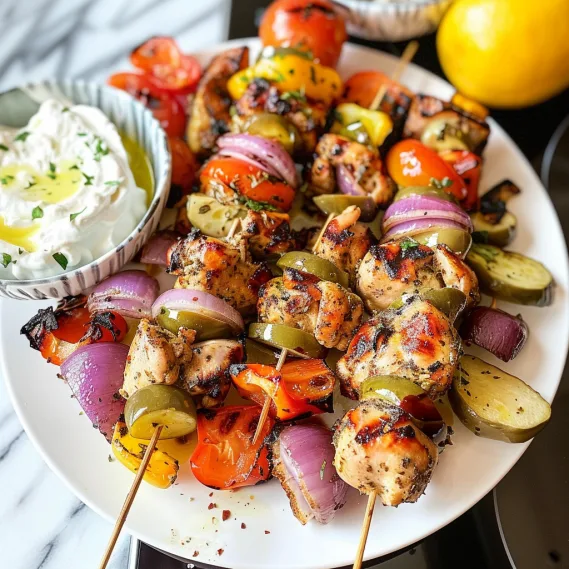
The Mediterranean Magic Behind Greek Chicken Kabobs
Why Greek Flavors Transform Ordinary Chicken
Greek cuisine has captivated food lovers worldwide, and for good reason. The secret lies in the careful balance of herbs, citrus, and quality olive oil that defines Mediterranean cooking. When you marinate chicken in this combination, something remarkable happens—the acidity from lemon juice tenderizes the meat while the olive oil locks in moisture. Furthermore, the aromatic herbs like oregano and basil penetrate deep into every fiber of the chicken, creating layers of flavor that simply can’t be achieved with quick seasoning. This traditional approach has been passed down through generations of Greek cooks who understood that patience and proper technique make all the difference. Consequently, your chicken emerges from the grill with a golden exterior and juicy interior that practically melts in your mouth.
Mastering the Perfect Marinade
Essential Ingredients for Authentic Greek Flavor
Creating an authentic marinade requires understanding which ingredients are non-negotiable. Extra virgin olive oil forms the base, carrying fat-soluble flavor compounds throughout the chicken. Fresh lemon juice adds brightness and acidity, while red wine vinegar contributes depth and complexity. Garlic brings its characteristic pungency, and dried oregano delivers that unmistakable Greek character. Nevertheless, the quality of your ingredients matters tremendously. Using freshly squeezed lemon juice instead of bottled makes a noticeable difference, and premium olive oil ensures richness without bitterness. Similarly, fresh garlic outshines pre-minced varieties in both flavor intensity and aroma. These seemingly small choices compound into a marinade that truly transports your taste buds to the Greek islands.
Timing and Technique for Maximum Flavor
Marination time significantly impacts the final result. Ideally, chicken should marinate for at least two hours, but overnight yields even better results. However, avoid exceeding twenty-four hours, as prolonged exposure to acid can make the texture mushy. During marination, ensure all chicken pieces are evenly coated by massaging the marinade into the meat and turning the bag occasionally. Additionally, reserve a small portion of marinade before adding raw chicken—this reserved portion becomes a safe basting liquid during grilling. Room temperature matters too; let marinated chicken sit out for about twenty minutes before grilling to ensure even cooking. These details separate good kabobs from truly exceptional ones.
Ingredients
| Ingredient | Quantity |
|---|---|
| Boneless, skinless chicken breasts | 2 pounds, cut into 1.5-inch cubes |
| Extra virgin olive oil | 1/3 cup |
| Fresh lemon juice | 1/4 cup |
| Red wine vinegar | 2 tablespoons |
| Garlic cloves, minced | 4 cloves |
| Dried oregano | 2 teaspoons |
| Dried basil | 1 teaspoon |
| Kosher salt | 1 teaspoon |
| Black pepper | 1/2 teaspoon |
| Red bell pepper | 2 large, cut into chunks |
| Red onion | 1 large, cut into chunks |
| Cherry tomatoes | 1 pint |
| Zucchini | 1 large, sliced into rounds |
Choosing and Preparing Your Vegetables
Best Vegetables for Grilling Success
Selecting the right vegetables ensures they cook evenly alongside your chicken. Bell peppers, particularly red ones, offer sweetness and vibrant color while holding up well to high heat. Red onions become wonderfully caramelized on the grill, adding both flavor and visual appeal. Cherry tomatoes burst with juicy sweetness, though they require careful handling to prevent them from sliding off skewers. Zucchini provides a mild, slightly creamy texture that complements the bolder flavors. Nonetheless, feel free to experiment with yellow squash, mushrooms, or even eggplant if you prefer. The key is cutting everything into similar-sized pieces to promote uniform cooking across all ingredients.
Prep Techniques for Even Cooking
Proper vegetable preparation makes the difference between perfectly grilled kabobs and unevenly cooked disappointments. Cut bell peppers and onions into chunks roughly the same size as your chicken pieces—about 1.5 inches works perfectly. Zucchini should be sliced into thick rounds rather than long strips to maintain structure during grilling. Meanwhile, keep cherry tomatoes whole but choose firm, ripe specimens that won’t fall apart. Before threading, lightly brush vegetables with olive oil and season with salt and pepper. This simple step prevents sticking and enhances their natural flavors. Furthermore, consider the threading order: alternating chicken with vegetables ensures everyone gets a balanced bite while promoting even heat distribution.
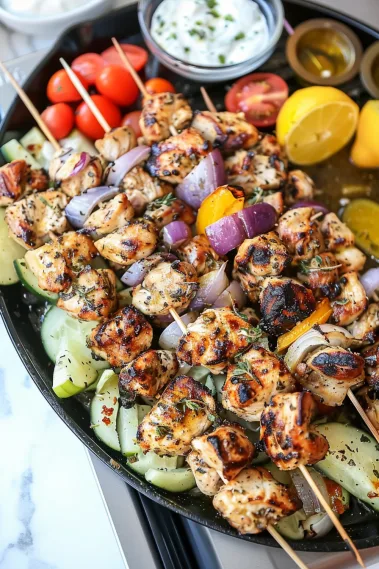
Skewer Selection and Assembly Strategies
Metal Versus Wooden Skewers
The skewer debate has passionate advocates on both sides. Metal skewers conduct heat, which can help cook food from the inside out, and they’re reusable and environmentally friendly. Flat metal skewers prevent food from spinning, making flipping easier. Conversely, wooden skewers are inexpensive and disposable, eliminating cleanup concerns. If you choose wooden skewers, soak them in water for at least thirty minutes before use to prevent burning. Ultimately, both options work well—the choice depends on personal preference and what you have available. Regardless of type, avoid overcrowding skewers, which creates steam instead of allowing proper searing and caramelization.
Threading Techniques for Professional Results
How you thread your skewers affects both cooking and presentation. Leave small gaps between pieces rather than cramming them tightly together—this allows heat circulation and promotes even browning. Thread chicken through the thickest part to ensure it stays secure during flipping. When adding vegetables, consider their cooking times: onions and peppers tolerate longer cooking than tomatoes, so position more delicate items strategically. Additionally, create a pattern that’s both functional and attractive—perhaps alternating chicken, pepper, onion, chicken, zucchini, tomato. This rhythm not only looks appealing but also ensures each skewer contains a balanced mix of ingredients. Finally, don’t thread all the way to the ends; leave some space for easy handling.
Grilling Techniques for Perfectly Cooked Kabobs
Setting Up Your Grill for Success
Proper grill preparation ensures your kabobs cook beautifully without sticking or burning. For gas grills, preheat on high for ten to fifteen minutes, then reduce to medium-high before adding skewers. Charcoal enthusiasts should wait until coals are covered with gray ash and glowing red underneath. Clean your grill grates thoroughly with a wire brush, then oil them using tongs and a folded paper towel dipped in vegetable oil. This prevents sticking better than oiling the food alone. Moreover, aim for a two-zone fire—one hotter area for searing and a cooler zone for finishing if needed. This setup provides flexibility if some pieces cook faster than others.
Monitoring Temperature and Timing
Achieving perfectly cooked chicken requires attention to both time and temperature. Grill kabobs over medium-high heat, turning every three to four minutes to ensure even browning on all sides. Total cooking time typically ranges from twelve to fifteen minutes, depending on chicken cube size and grill temperature. However, never rely solely on timing—use an instant-read thermometer to verify doneness. Chicken is safe when it reaches an internal temperature of 165°F. Insert the thermometer into the thickest part of a chicken piece, avoiding contact with the skewer itself. Meanwhile, vegetables should show nice char marks and slight softening. If chicken finishes before vegetables or vice versa, move pieces to different heat zones to prevent overcooking.
Storage, Reheating, and Meal Prep Tips
Proper Storage for Maximum Freshness
Leftover kabobs remain delicious when stored correctly. Remove chicken and vegetables from skewers and transfer them to an airtight container within two hours of cooking. Refrigerated kabobs stay fresh for three to four days. For longer storage, freeze cooked chicken and vegetables separately in freezer-safe containers or bags for up to three months. Label everything with dates to track freshness. Meanwhile, raw marinated chicken freezes beautifully—portion it into meal-sized bags before freezing, then thaw overnight in the refrigerator when needed. This approach makes future kabob dinners even easier since the chicken marinates while defrosting. Consequently, you can enjoy homemade Greek flavors with minimal active preparation time.
Reheating Without Sacrificing Quality
Reheating grilled chicken can be tricky, but proper techniques preserve moisture and flavor. The oven method works best: preheat to 350°F, place kabob pieces in a covered baking dish with a tablespoon of chicken broth or water, and heat for ten to fifteen minutes. This gentle approach prevents drying. Alternatively, reheat in a skillet over medium heat, stirring frequently and adding a splash of liquid if needed. Microwave reheating works in a pinch—use fifty percent power and heat in thirty-second intervals, checking frequently. Regardless of method, avoid overheating, which toughens chicken. For meal prep, consider reheating only the portion you’ll eat immediately, keeping the rest refrigerated to maintain optimal texture and flavor.
Frequently Asked Questions
Can I make Greek chicken kabobs in the oven?
Absolutely! Oven-baked kabobs work wonderfully when grilling isn’t possible. Preheat your oven to 425°F and line a baking sheet with parchment paper or foil. Arrange skewers on the sheet, ensuring they don’t touch.
How long should I marinate the chicken?
For optimal flavor and tenderness, marinate chicken for at least two hours, though four to six hours yields even better results. Overnight marination creates the most flavorful kabobs, as it gives herbs and aromatics maximum time to penetrate the meat.
What’s the best way to prevent vegetables from falling off skewers?
Several strategies help keep vegetables secure during grilling. First, cut vegetables into appropriately sized chunks that aren’t too small. Thread pieces through their sturdiest parts—for example, pierce bell peppers through the flesh rather than just catching the skin.
Can I use chicken thighs instead of breasts?
Chicken thighs work exceptionally well for kabobs and many people actually prefer them. Thighs contain more fat than breasts, making them more forgiving and harder to overcook. They stay juicier during grilling and offer richer flavor.
What other vegetables work well for Greek kabobs?
While bell peppers, onions, tomatoes, and zucchini are traditional, many vegetables thrive on kabob skewers. Mushrooms, particularly cremini or portobello chunks, absorb marinade beautifully and develop wonderful char. Yellow squash offers similar properties to zucchini with slightly different flavor.
Conclusion
Greek chicken kabobs represent everything wonderful about Mediterranean cooking—fresh ingredients, bold flavors, and techniques that have stood the test of time. These skewers bring restaurant-quality results to your home kitchen or backyard grill without requiring professional skills or exotic ingredients. From the aromatic marinade that transforms ordinary chicken into something extraordinary, to the colorful vegetables that add nutrition and visual appeal, every element works together harmoniously.
Print
GREEK CHICKEN KABOBS
- Total Time: 2 hours 35 minutes
- Yield: 6 servings 1x
Description
Tender marinated chicken and colorful vegetables grilled to perfection with authentic Mediterranean flavors of lemon, garlic, and oregano
Ingredients
- 2 pounds boneless, skinless chicken breasts, cut into 1.5-inch cubes
- 1/3 cup extra virgin olive oil
- 1/4 cup fresh lemon juice
- 2 tablespoons red wine vinegar
- 4 garlic cloves, minced
- 2 teaspoons dried oregano
- 1 teaspoon dried basil
- 1 teaspoon kosher salt
- 1/2 teaspoon black pepper
- 2 large red bell peppers, cut into chunks
- 1 large red onion, cut into chunks
- 1 pint cherry tomatoes
- 1 large zucchini, sliced into rounds
Instructions
- 1. In a large bowl, whisk together olive oil, lemon juice, red wine vinegar, minced garlic, oregano, basil, salt, and pepper to create the marinade.
- 2. Add chicken cubes to the marinade, tossing to coat evenly. Cover and refrigerate for at least 2 hours or overnight for best results.
- 3. If using wooden skewers, soak them in water for 30 minutes before assembly to prevent burning.
- 4. Prepare vegetables by cutting bell peppers and onions into chunks, slicing zucchini into thick rounds, and keeping cherry tomatoes whole.
- 5. Thread chicken and vegetables onto skewers, alternating pieces and leaving small gaps between each item for even cooking.
- 6. Preheat grill to medium-high heat and oil the grates to prevent sticking.
- 7. Place skewers on the grill and cook for 12-15 minutes, turning every 3-4 minutes until chicken reaches an internal temperature of 165°F.
- 8. Remove from grill and let rest for 3-5 minutes before serving with tzatziki sauce, pita bread, and Greek salad.
Notes
Store leftover kabobs in an airtight container in the refrigerator for up to 4 days. Reheat gently in a 350°F oven with a splash of broth to maintain moisture. Serve with tzatziki sauce, warm pita bread, and a fresh Greek salad for an authentic Mediterranean meal.
- Prep Time: 20 minutes
- Cook Time: 15 minutes
- Category: Main Course
- Method: Grilling
- Cuisine: Greek
Nutrition
- Serving Size: 1 kabob
- Calories: 285
- Sugar: 4g
- Sodium: 420mg
- Fat: 14g
- Carbohydrates: 8g
- Fiber: 2g
- Protein: 34g