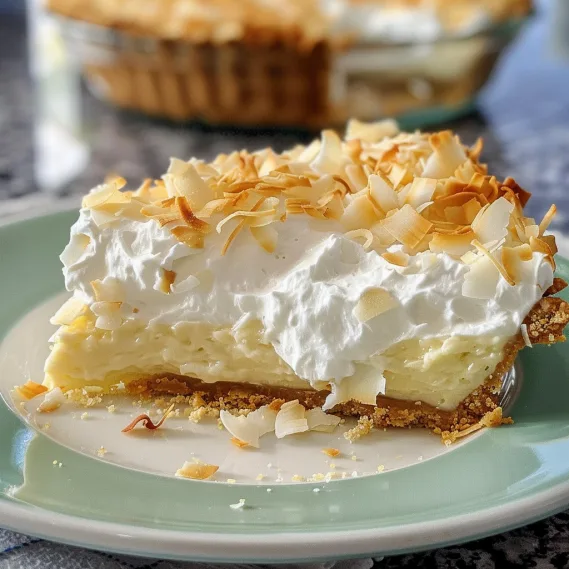
There’s something magical about biting into a slice of Grandma’s Coconut Cream Pie that instantly transports you back to simpler times. This classic dessert combines a flaky, buttery crust with silky vanilla custard and sweet coconut flakes, all topped with billowy whipped cream. Whether you’re recreating childhood memories or starting a new tradition, this timeless recipe delivers pure comfort in every forkful.
Essential Baking Tools and Equipment
Must-Have Kitchen Items
Before you begin, gather the necessary tools to make your baking experience smooth and enjoyable. You’ll need a heavy-bottomed saucepan for cooking the custard, which prevents scorching and ensures even heat distribution. Additionally, a wire whisk is essential for keeping the mixture lump-free while it thickens. A fine-mesh strainer comes in handy for achieving an ultra-smooth custard by removing any cooked egg bits. Don’t forget a 9-inch pie dish, preferably glass or ceramic, which conducts heat evenly and allows you to monitor the crust’s browning. Finally, an electric mixer makes whipping cream effortless, though you can certainly do it by hand if you prefer.
Preparation Tips for Success
Organization is key when making custard-based desserts because timing matters significantly. Therefore, measure all your ingredients before you start cooking—this practice, called mise en place, prevents mistakes and ensures smooth execution. Have a bowl ready with the egg yolks already separated and lightly beaten. Keep your butter at room temperature so it incorporates smoothly into the hot custard. Moreover, chill your mixing bowl and beaters in the freezer for 15 minutes before whipping cream; this simple trick helps achieve perfect peaks faster. Setting up your workspace properly transforms a potentially stressful process into an enjoyable cooking experience.
Ingredients
| Ingredient | Quantity |
|---|---|
| Prepared pie crust (9-inch) | 1 |
| Whole milk | 2 cups |
| Granulated sugar | 3/4 cup |
| Cornstarch | 1/3 cup |
| Salt | 1/4 teaspoon |
| Egg yolks (large) | 4 |
| Unsalted butter | 2 tablespoons |
| Vanilla extract | 2 teaspoons |
| Sweetened shredded coconut | 1 1/2 cups |
| Heavy whipping cream | 1 1/2 cups |
| Powdered sugar | 3 tablespoons |
| Toasted coconut for garnish | 1/2 cup |
Mastering the Perfect Pie Crust
Blind Baking Fundamentals
A soggy bottom crust can ruin an otherwise perfect pie, so blind baking is crucial for cream pies. This technique involves pre-baking the crust before adding the filling, creating a barrier that stays crisp even under moist custard. Start by pricking the bottom of your unbaked crust with a fork to prevent bubbling. Then, line it with parchment paper and fill with pie weights or dried beans. Bake at 375 degrees Fahrenheit for about 20 minutes, remove the weights, and continue baking until golden brown. Consequently, you’ll have a sturdy, flavorful foundation that enhances rather than detracts from your coconut cream pie.
Choosing the Right Crust Type
While traditional pastry crust works beautifully, you have several options depending on your preference and skill level. A classic all-butter crust provides rich flavor and flakiness that complements the sweet filling perfectly. Alternatively, graham cracker crust offers a slightly sweet, crunchy base that many people love. Some bakers even use shortbread or vanilla wafer crusts for extra richness. Whatever you choose, ensure it’s completely cooled before adding the custard to prevent the filling from breaking or becoming runny. Each type brings its own character to this beloved dessert.
Creating the Silky Coconut Custard
Temperature Control Techniques
The secret to smooth, lump-free custard lies in careful temperature management throughout the cooking process. Start by heating the milk over medium heat until it’s steaming but not boiling—this gentle approach prevents scalding. Meanwhile, whisk together your sugar, cornstarch, and salt in a separate bowl. When you add the egg yolks, temper them first by gradually whisking in some hot milk; this prevents the eggs from scrambling. Then, slowly pour the egg mixture back into the saucepan while whisking constantly. Cook over medium heat, stirring continuously, until the custard thickens and coats the back of a spoon. Patience here pays off tremendously.
Incorporating Coconut Perfectly
Adding coconut to the custard requires timing and technique to achieve the ideal consistency and flavor distribution. Stir in the shredded coconut immediately after removing the custard from heat, while it’s still hot enough to soften the coconut slightly. This timing ensures the coconut integrates smoothly without clumping or sinking to the bottom. Reserve some coconut for toasting separately—this garnish adds visual appeal and a delightful textural contrast. Furthermore, toasting coconut intensifies its natural sweetness and creates a nutty aroma that elevates the entire dessert. Spread it on a baking sheet and toast at 325 degrees until golden, watching carefully to prevent burning.
Assembling Your Masterpiece
Layering for Best Results
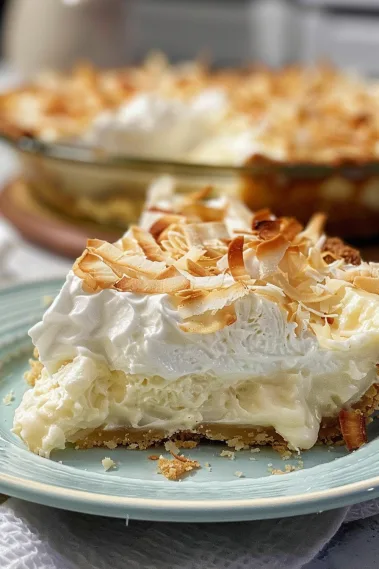
Proper assembly ensures your pie not only tastes amazing but also slices beautifully without falling apart. Once your custard has cooled slightly but is still warm and pourable, transfer it into the pre-baked crust. Spread it evenly with a spatula, making sure to reach all edges and eliminate air pockets. Press plastic wrap directly onto the surface of the custard to prevent a skin from forming as it cools. Refrigerate for at least four hours, though overnight is ideal—this chilling time allows the custard to set completely. Rushing this step results in a runny filling that won’t hold its shape when sliced.
Whipped Cream Perfection
The crowning glory of any coconut cream pie is its cloud-like whipped cream topping. Using cold heavy cream and a chilled bowl, beat on medium speed until soft peaks form. Add powdered sugar and vanilla extract, then continue beating until stiff peaks develop—be careful not to overbeat, as this can turn your cream grainy or even into butter. Spread the whipped cream generously over the chilled custard, creating swirls and peaks with your spatula for an attractive presentation. Alternatively, pipe it on using a large star tip for a more formal look. Finally, sprinkle with toasted coconut just before serving.
Storage and Serving Recommendations
Keeping Your Pie Fresh
Proper storage maintains the quality and safety of your coconut cream pie for several days. Because it contains dairy and eggs, refrigeration is absolutely essential—never leave it at room temperature for more than two hours. Cover the pie loosely with aluminum foil or place it in a pie keeper to protect the whipped cream from absorbing refrigerator odors. When stored correctly, your pie will stay fresh for up to three days, though it tastes best within the first 48 hours. If you’re making it ahead for a special occasion, prepare the crust and custard in advance, but add the whipped cream topping on the day of serving for optimal texture and appearance.
Presentation and Portion Ideas
Serving this dessert properly enhances the dining experience and showcases your hard work. Use a sharp knife dipped in hot water and wiped dry between cuts—this technique creates clean slices with distinct layers. Place each slice on a chilled dessert plate to keep the whipped cream firm. For an elegant touch, garnish individual servings with a small dollop of additional whipped cream, a sprinkle of toasted coconut, and perhaps a fresh mint leaf. Consider pairing each slice with hot coffee or tea to balance the sweetness. The standard recipe yields eight generous servings, making it perfect for family gatherings or dinner parties.
Troubleshooting Common Issues
Fixing Custard Problems
Even experienced bakers occasionally encounter issues when making custard, but most problems have simple solutions. If your filling turns out lumpy despite careful whisking, simply strain it through a fine-mesh sieve before pouring it into the crust—this removes any cooked egg bits or cornstarch clumps. When custard refuses to thicken, the cornstarch may not have been activated properly; return it to the heat and cook a bit longer while stirring constantly. Conversely, if it becomes too thick, whisk in a tablespoon of warm milk at a time until you reach the desired consistency. Remember that custard continues to thicken as it cools, so it should be slightly looser when hot than you want it to be when set.
Preventing Weeping and Separation
Weeping, where liquid pools on top of the custard or beneath the whipped cream, frustrates many bakers. This typically happens when the custard wasn’t cooked long enough or when there’s a temperature mismatch between layers. Ensure your custard reaches the proper thickness before removing it from heat—it should bubble and coat a spoon heavily. Let it cool to room temperature before refrigerating to prevent condensation. For the whipped cream layer, make sure the custard is completely cold before topping it. Additionally, avoid using stabilized whipped cream products that contain gelatin, as these can interact poorly with the custard. Following these guidelines produces a pie with distinct, stable layers.
Frequently Asked Questions
Can I make Grandma’s Coconut Cream Pie ahead of time?
Absolutely! You can prepare the crust and custard filling up to two days in advance. Store the baked crust at room temperature and the custard in the refrigerator with plastic wrap pressed against its surface.
What’s the best way to toast coconut for garnish?
Spread sweetened shredded coconut in a single layer on a baking sheet and bake at 325 degrees Fahrenheit for 8-10 minutes, stirring every 2-3 minutes. Watch it carefully because coconut can go from perfectly golden to burnt very quickly.
Can I use coconut milk instead of regular milk in the custard?
Yes, but the texture and flavor will change noticeably. Coconut milk creates a richer, more intensely coconut-flavored custard that some people prefer. However, full-fat coconut milk contains more fat than whole milk, which may affect the custard’s setting properties.
Why did my whipped cream deflate after spreading it on the pie?
Whipped cream deflates when it’s overbeaten, underbeaten, or applied to a warm surface. Make sure your custard is completely chilled before adding the cream. Beat the cream just until stiff peaks form—overbeating causes the fat molecules to separate.
Is there a dairy-free version of this recipe?
You can create a dairy-free version using full-fat coconut milk for the custard, coconut oil instead of butter, and coconut cream whipped for the topping. However, the texture and flavor will differ from traditional coconut cream pie.
Conclusion
Making Grandma’s Coconut Cream Pie from scratch is truly a labor of love that yields incredible rewards. This classic dessert brings together simple ingredients in a way that creates something extraordinary—a perfect balance of textures from the crispy crust to the silky custard to the fluffy whipped cream. Throughout this guide, we’ve explored everything from selecting quality ingredients to mastering custard technique to achieving professional presentation. The key takeaways include the importance of temperature control, proper chilling time, and attention to detail at every step.
Print
Grandma’s Coconut Cream Pie
- Total Time: 5 hours 5 minutes
- Yield: 8 servings
Description
A classic Southern dessert featuring silky vanilla custard loaded with sweet coconut, nestled in a flaky crust and topped with billowy whipped cream.
Ingredients
- Prepared pie crust (9-inch) – 1
- Whole milk – 2 cups
- Granulated sugar – 3/4 cup
- Cornstarch – 1/3 cup
- Salt – 1/4 teaspoon
- Egg yolks (large) – 4
- Unsalted butter – 2 tablespoons
- Vanilla extract – 2 teaspoons
- Sweetened shredded coconut – 1 1/2 cups
- Heavy whipping cream – 1 1/2 cups
- Powdered sugar – 3 tablespoons
- Toasted coconut for garnish – 1/2 cup
Instructions
- 1. Preheat oven to 375°F and blind bake the pie crust with pie weights for 20 minutes, then remove weights and bake until golden brown. Cool completely.
- 2. In a heavy-bottomed saucepan, heat milk over medium heat until steaming. In a separate bowl, whisk together sugar, cornstarch, and salt.
- 3. Lightly beat egg yolks, then temper by slowly adding hot milk while whisking constantly. Pour egg mixture back into saucepan.
- 4. Cook over medium heat, stirring constantly, until custard thickens and coats the back of a spoon, about 8-10 minutes.
- 5. Remove from heat and stir in butter, vanilla extract, and 1 1/2 cups shredded coconut until well combined.
- 6. Pour custard into cooled pie crust, press plastic wrap directly onto surface, and refrigerate for at least 4 hours or overnight.
- 7. Toast remaining 1/2 cup coconut at 325°F for 8-10 minutes, stirring frequently, until golden brown. Cool completely.
- 8. Beat heavy cream with powdered sugar until stiff peaks form. Spread over chilled custard and garnish with toasted coconut.
- 9. Refrigerate until ready to serve. Use a hot, clean knife for clean slices.
Notes
Store covered in refrigerator for up to 3 days. Add whipped cream topping the day of serving for best results. For a deeper coconut flavor, substitute coconut milk for regular milk in the custard.
- Prep Time: 30 minutes
- Cook Time: 35 minutes
- Category: Dessert
- Cuisine: American
Nutrition
- Serving Size: 1 slice
- Calories: 425
- Sugar: 32g
- Sodium: 220mg
- Fat: 24g
- Carbohydrates: 48g
- Fiber: 2g
- Protein: 6g