Imagine the smell of freshly baked bread wafting through your kitchen, the warm, golden crust beckoning you to take that first slice. Making homemade white bread might sound intimidating, but with a bit of patience and a sprinkle of humor, you’ll soon have loaves that could rival any bakery.
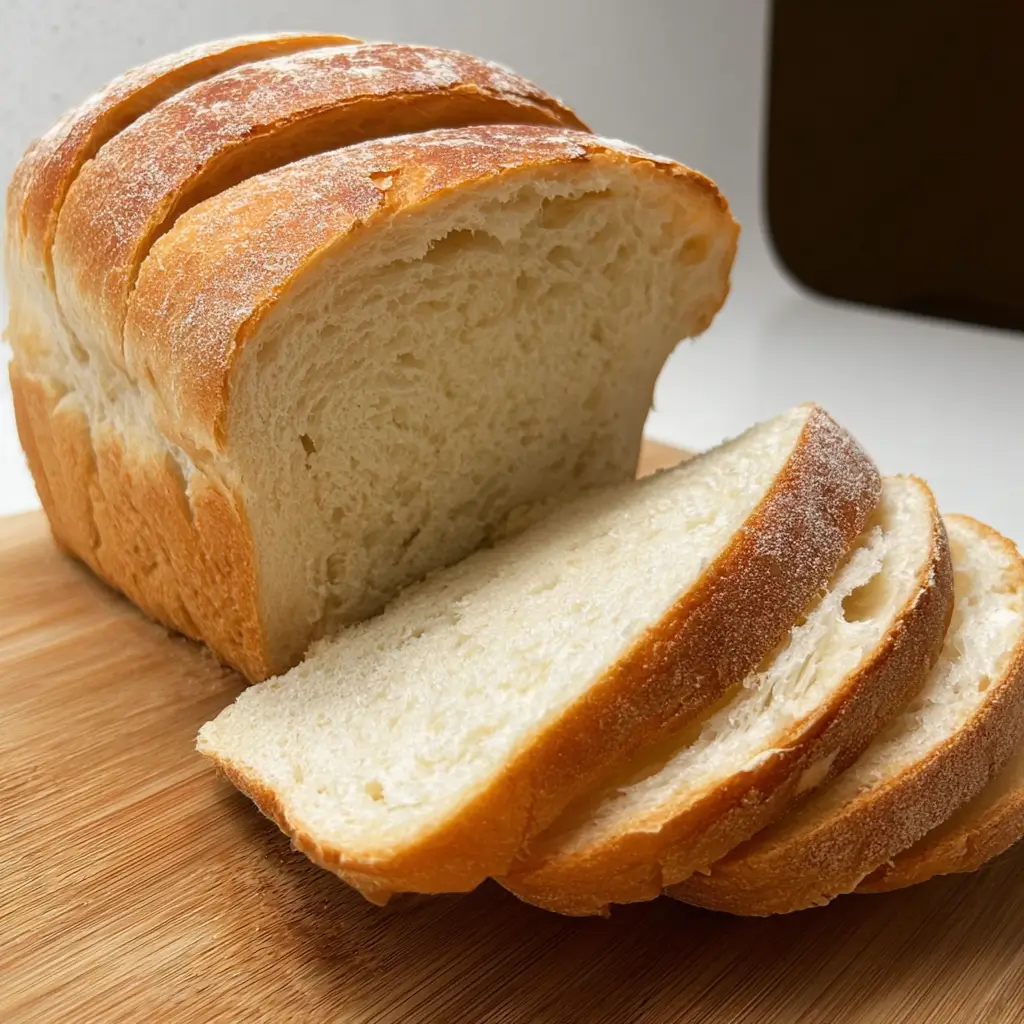
Table of Contents
Key Ingredients in Homemade White Bread
Baking soft, fluffy homemade white bread starts with understanding the ingredients. Each one has a purpose in creating the perfect loaf. Below is a detailed guide along with a table for easy reference.
Ingredients Overview Table
| Ingredient | Amount (for 1 standard loaf) | Purpose | Tips & Variations |
|---|---|---|---|
| All-Purpose or Bread Flour | 3 cups (360g) | Forms the structure and gluten network for bread | Bread flour gives a chewier texture; measure accurately to avoid dry dough |
| Active Dry Yeast | 2 ¼ tsp (1 packet) | Leavens the bread by producing carbon dioxide | Use warm water (105–110°F / 40–43°C) to activate; can substitute with instant yeast |
| Warm Water or Milk | 1 cup (240ml) | Hydrates flour, softens crumb | Milk adds richness; plant-based milk can be used |
| Sugar | 2 tbsp (25g) | Feeds the yeast, promotes browning | Can substitute with honey or maple syrup; don’t skip completely |
| Salt | 1 ½ tsp (8g) | Enhances flavor, strengthens gluten | Keep separate from yeast initially to prevent killing it |
| Butter or Oil | 2 tbsp (30g) | Softens crumb, adds flavor | Butter gives rich taste; oil creates a lighter texture |
| Optional: Eggs | 1 large | Adds richness, color, and firmer structure | Skip for classic white bread; adds tenderness if included |
| Optional: Seeds, Nuts, Herbs | 2–3 tbsp | Adds texture, flavor, and nutrition | Try sunflower seeds, sesame, or rosemary; add during mixing |
Detailed Explanation of Ingredients
- Flour: The backbone of the bread. High protein in bread flour develops gluten for chewy, airy texture.
- Yeast: The leavening agent. Active dry yeast needs proofing; instant yeast can be mixed directly.
- Water or Milk: Hydrates the flour and activates yeast. Milk enriches the dough and softens the crumb.
- Sugar: Yeast’s food for fermentation; contributes to browning and subtle sweetness.
- Salt: Balances flavors, controls yeast activity, and strengthens dough structure.
- Fat (Butter/Oil): Optional, but adds softness and extends freshness.
- Optional Ingredients: Eggs, seeds, herbs, and nuts can customize flavor and texture for creative variations.
Looking for more breakfast inspiration? Check out these fun and tasty Easy Pancake Poppers for a delightful morning treat alongside your bread.
Equipment and Tools Needed for Homemade White Bread
Essential Tools for Baking Perfect Bread
Baking homemade white bread doesn’t require a fancy kitchen, but having the right tools makes a huge difference. Here’s what you’ll need:
- Mixing Bowls: Preferably glass or stainless steel. Large enough to allow dough to rise.
- Measuring Cups and Spoons: Accuracy is key in baking.
- Loaf Pan: Standard 9×5-inch pans work perfectly for a classic loaf.
- Stand Mixer (Optional): Helps with kneading, but not mandatory.
- Kitchen Thermometer: Ensures water is at the right temperature for yeast activation.
- Cooling Rack: Allows the bread to cool evenly without soggy bottoms.
Tips for Beginners on Tools
Even with minimal equipment, you can bake bread successfully. Here’s how:
- If you don’t have a stand mixer, knead dough by hand. It’s therapeutic!
- Always preheat your oven to the correct temperature before baking.
- A simple thermometer can save you from killing the yeast with water that’s too hot.
The Step-by-Step Process of Making Homemade White Bread
Step 1: Activate the Yeast
- Pour 1 cup of warm water or milk (105–110°F / 40–43°C) into a small bowl.
- Add 2 ¼ teaspoons of active dry yeast and 1 teaspoon sugar.
- Stir lightly and let it sit for 5–10 minutes until foamy.
Step 2: Mix Ingredients
- In a large bowl, combine 3 cups flour and 1 ½ teaspoons salt.
- Slowly add the activated yeast mixture.
- Add 2 tablespoons melted butter or oil (optional).
- Stir until a rough dough forms.
Step 3: Knead the Dough
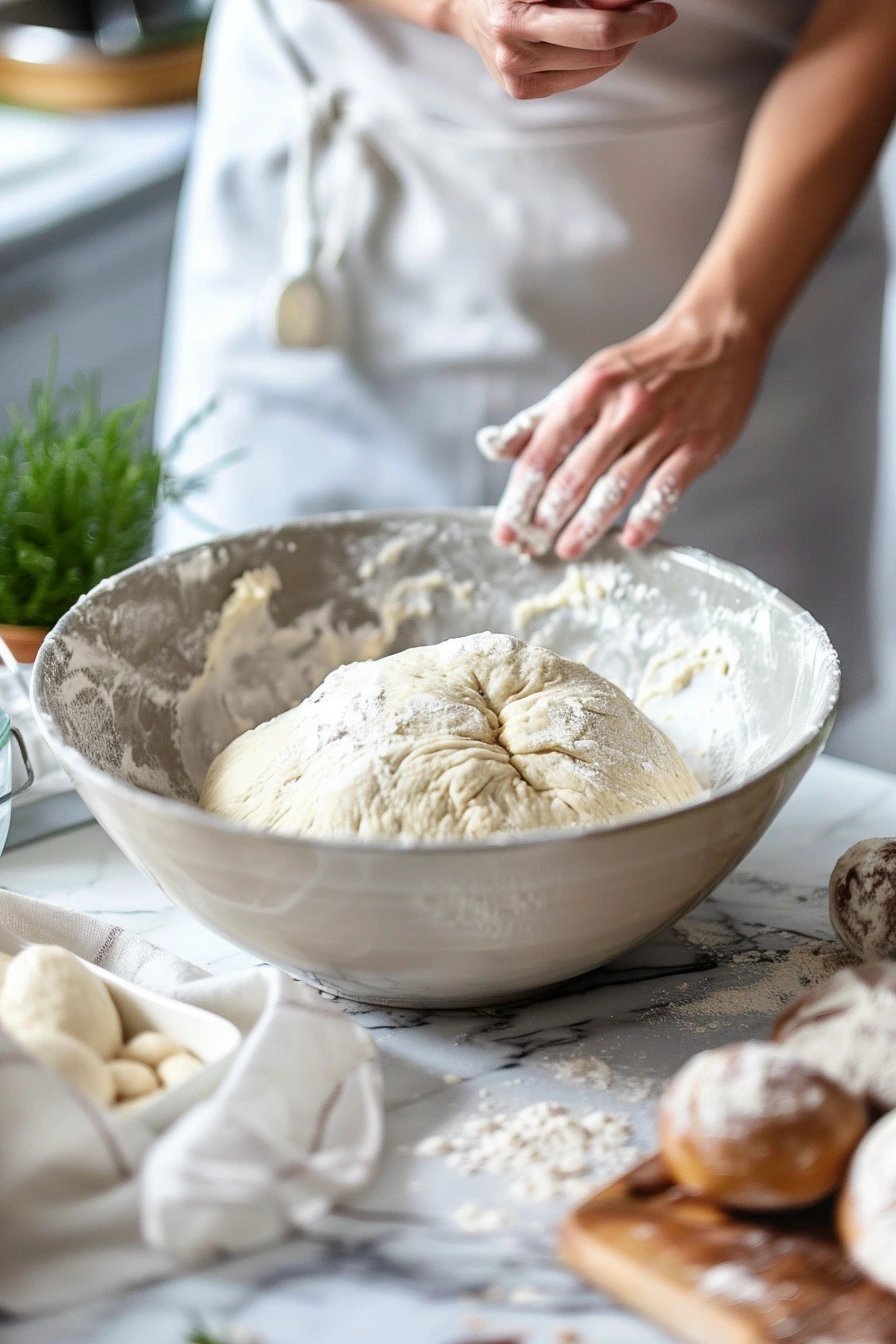
- Lightly flour your surface.
- Knead by hand for 8–10 minutes or with a stand mixer for 6–8 minutes until smooth and elastic.
- Check: dough should spring back when pressed lightly.
Step 4: First Rise (Proofing)
- Place the dough in a greased bowl.
- Cover with a damp cloth or plastic wrap.
- Let it rise in a warm, draft-free place 1–2 hours until it doubles in size.
Step 5: Shape the Dough
- Punch down the dough gently to release air.
- Shape into a loaf or desired shape.
- Place in a greased 9×5-inch loaf pan.
Step 6: Second Rise
- Cover the shaped loaf loosely with a damp cloth.
- Let it rise 30–45 minutes until it puffs above the pan edge.
Step 7: Bake the Bread
- Preheat oven to 375°F (190°C).
- Bake loaf for 25–30 minutes until golden brown.
- Check doneness by tapping the bottom—it should sound hollow.
- Optional: Brush with melted butter immediately for a soft crust.
Step 8: Cool Properly
- Remove the bread from the pan.
- Place on a wire rack to cool completely.
- Wait at least 1 hour before slicing to avoid gummy texture.
Step 9: Store and Serve
- Store at room temperature in an airtight container for 2–3 days.
- Freeze slices for up to 3 months.
- Enjoy as toast, sandwiches, or with soups and spreads.
Tips and Tricks for Perfect Homemade White Bread
Flavor Variations to Try
While classic white bread is delightful on its own, you can experiment with small tweaks to make it even more delicious:
- Herb-Infused Bread: Add rosemary, thyme, or oregano to the dough for a fragrant loaf.
- Garlic Butter Bread: Mix softened butter and minced garlic into the dough before baking.
- Honey-White Bread: Replace some sugar with honey for subtle sweetness and a golden crust.
- Seeded Loaf: Sprinkle sesame, poppy, or sunflower seeds on top for crunch and nutrition.
Troubleshooting Common Issues
Even seasoned bakers encounter challenges. Here’s how to fix common bread problems:
| Problem | Cause | Solution |
|---|---|---|
| Dense Bread | Under-proofing or too little yeast | Allow longer rising time and ensure active yeast |
| Dry Crust | Over-baking or oven too hot | Reduce baking time and cover with foil if needed |
| Gummy Interior | Cutting before cooling | Cool completely before slicing |
| Bread Doesn’t Rise | Old yeast or cold environment | Check yeast freshness and proof in a warm spot |
Storage Tips for Homemade Bread
To keep your bread fresh and soft:
- Short-Term: Store at room temperature in a bread box or sealed bag for 2–3 days.
- Long-Term: Freeze slices in an airtight bag for up to 3 months.
- Reviving Bread: Toast or warm in the oven to restore softness.
Looking for another soft and fluffy bread option? Don’t miss our easy Cottage Cheese Bread Recipe for a protein-packed twist.
Homemade White Bread: The Ultimate Guide to Soft, Fluffy Loaves
- Total Time: 2 hours 30–35 minutes
Description
Soft, fluffy, and golden, this homemade white bread is perfect for breakfast toast, sandwiches, or pairing with soups. Simple ingredients, easy steps, and a delicious aroma that fills your kitchen!
Ingredients
3 cups (360g) all-purpose or bread flour
2 ¼ tsp (1 packet) active dry yeast
1 cup (240ml) warm water or milk (105–110°F / 40–43°C)
2 tbsp (25g) sugar or honey
1 ½ tsp (8g) salt
2 tbsp (30g) melted butter or oil (optional)
Optional: 1 egg, seeds, herbs, or nuts for flavor
Instructions
Activate Yeast: Mix yeast, sugar, and warm liquid. Let sit 5–10 minutes until foamy.
Mix Dough: Combine flour, salt, and butter/oil. Add yeast mixture and stir to form dough.
Knead: Knead by hand 8–10 minutes or with mixer 6–8 minutes until smooth and elastic.
First Rise: Place dough in greased bowl, cover, and let rise 1–2 hours until doubled.
Shape: Punch down dough, shape into a loaf, and place in greased pan.
Second Rise: Cover and let rise 30–45 minutes until it puffs above pan.
Bake: Preheat oven to 375°F (190°C). Bake 25–30 minutes until golden brown.
Cool: Remove from pan, place on wire rack, and cool completely before slicing.
Notes
Use warm (not hot) water to activate yeast effectively.
Don’t over-knead; stop when dough is smooth and elastic.
Brush the top with butter after baking for a soft, golden crust.
Wait until the bread is fully cooled before slicing to avoid gummy texture.
Add seeds, herbs, or cheese for extra flavor and texture.
Health Benefits and Nutritional Value of Homemade White Bread
Nutritional Breakdown
A slice of homemade white bread offers a simple, clean ingredient profile compared to commercial breads. Typical nutrition per slice includes:
- Calories: 80–100
- Carbohydrates: 15–20g
- Protein: 3–4g
- Fat: 1–2g
- Fiber: 1g (can increase with whole wheat or seeds)
Homemade bread contains no preservatives or artificial additives, which makes it a healthier option than many store-bought varieties.
Benefits Over Store-Bought Bread
- No Additives: Avoids dough conditioners, extra sugars, and stabilizers.
- Better Digestibility: Freshly baked bread is easier to digest.
- Customizable Ingredients: Swap in whole wheat, oats, seeds, or alternative flours.
- Lower Sodium Option: You control salt levels to meet dietary needs.
FAQs About Homemade White Bread
1. How long does homemade white bread last?
Freshly baked white bread lasts 2–3 days at room temperature in a sealed container. For longer storage, freeze slices for up to 3 months.
2. Can I make homemade white bread without a stand mixer?
Absolutely! Kneading by hand works perfectly. It takes 8–10 minutes of consistent folding and stretching to develop gluten.
3. Why is my bread dense?
Dense bread usually results from under-proofing, old yeast, or too little kneading. Ensure yeast is active, dough rises properly, and knead until elastic.
4. Can I use whole wheat flour instead of all-purpose flour?
Yes! You can substitute half of the flour with whole wheat for a nuttier flavor and higher fiber content. All-white flour will give the softest texture.
5. How do I get a crispy crust?
Create steam in the oven, brush the loaf with butter after baking, and avoid covering the bread until it cools completely.
6. Can I make homemade white bread sweet?
Yes! Adding honey, sugar, cinnamon, or dried fruit will make a sweet variation, perfect for breakfast or snacks.
7. Is homemade white bread healthier than store-bought?
Yes. Homemade bread contains no preservatives, additives, or excess sugar, giving you a fresher, more wholesome option.
Conclusion
Baking homemade white bread is more than just a kitchen task—it’s an experience that fills your home with irresistible aromas and rewards you with soft, fluffy slices perfect for any meal. From understanding ingredients to mastering kneading, proofing, and baking, this guide has covered everything you need to make the perfect loaf.