If you’ve ever dreamed of pancakes that are fluffy, protein-packed, and won’t send your gluten-loving friends running for the hills, these Gluten Free Cottage Cheese Pancakes might just be your new breakfast obsession.
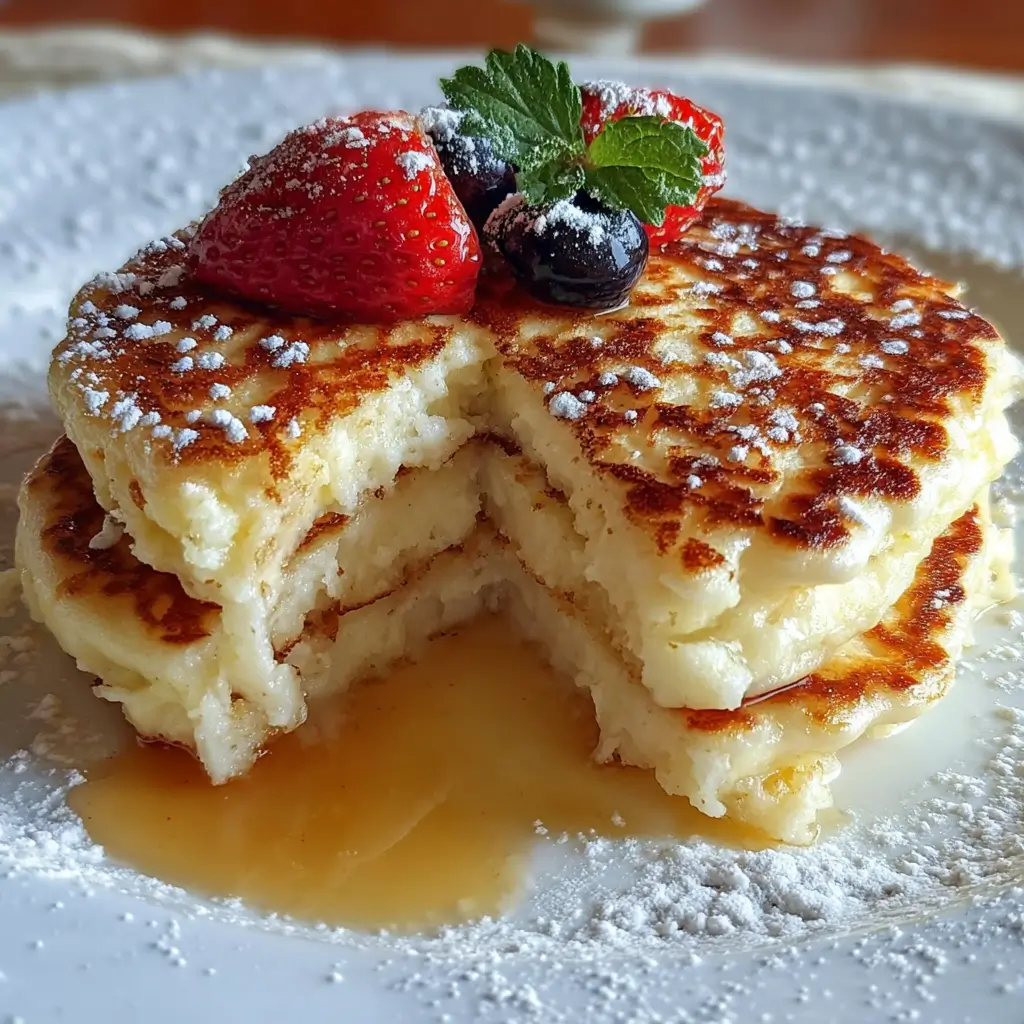
In this article, we’ll dive deep into making gluten free cottage cheese pancakes that taste like a homey brunch favorite. We’ll cover why they work, tips to nail texture and flavor, ingredient swaps, troubleshooting, and serving ideas. If you’ve tried gluten-free pancakes before and ended up with something chalky or flat, I promise this version is worth a shot (and maybe a redo or two—hey, that’s part of the fun in cooking). So grab your spatula, and let’s get to it.
What Makes These Pancakes Different (and Better)
When people hear “gluten free pancakes,” they often imagine dry, crumbly things. But cottage cheese changes the game. The moisture, fat, and protein in cottage cheese help keep pancakes tender and flavorful. The dairy adds richness, while the eggs help bind everything. That blend gives you something lighter, more delicate, and more satisfying than many straight gluten‐free flour mixes.
Cottage cheese also adds a nice tang and creaminess, making these pancakes feel indulgent without being heavy.
Nutritional Benefits & Protein Power
Because cottage cheese is high in protein, these pancakes often deliver more protein per serving than classic pancakes. You get dairy protein, eggs, and the energy from gluten-free flour (or oats) without relying solely on carbs. That means they tend to keep you fuller, longer.
Plus, being gluten free means they’re safe for folks with celiac disease, gluten intolerance, or those simply choosing to avoid gluten. Using whole food ingredients (like oats, almond milk, or simple flours) keeps them wholesome and accessible.
If you love adding a bit of extra protein to your morning, check out these Blueberry Protein Muffins for another tasty and healthy option.
Ingredients & Preparation for Gluten Free Cottage Cheese Pancakes
Essential Ingredients for Perfect Gluten Free Cottage Cheese Pancakes
Getting the texture just right starts with using the correct gluten-free ingredients. The key is balance—enough structure to hold together, enough moisture to stay fluffy, and enough flavor to keep you coming back for seconds.
Here’s what you’ll need for a basic batch that makes about 8 pancakes:
| Ingredient | Amount (US Measure) | Purpose / Tip |
|---|---|---|
| Cottage cheese (small curd, low-fat or full-fat) | 1 cup | Adds moisture, creaminess, and protein |
| Eggs | 2 large | Help bind and add lift |
| Gluten-free all-purpose flour blend | ¾ cup | Use a 1:1 gluten-free mix with xanthan gum |
| Baking powder | 1 teaspoon | For fluffiness |
| Salt | ¼ teaspoon | Balances flavor |
| Sugar or honey | 1 tablespoon | Optional, for light sweetness |
| Milk or almond milk | ¼ cup (adjust for batter consistency) | Thins the batter slightly |
| Vanilla extract | 1 teaspoon | Enhances flavor |
| Butter or oil | 1 tablespoon | For cooking—adds golden color and flavor |
Ingredient Notes and Substitutions
- Cottage Cheese: Full-fat versions make a richer, smoother pancake, but low-fat still works. Avoid dry curd cottage cheese—it doesn’t melt nicely.
- Flour Options: You can use a blend of oat flour and almond flour if you don’t have a pre-made mix. Use roughly ½ cup oat flour + ¼ cup almond flour.
- Milk Alternatives: Almond milk or oat milk keep the pancakes light. Coconut milk adds a tropical note.
- Sweeteners: A tablespoon of maple syrup or honey mixes well without over-sweetening.
- Butter Alternatives: Use coconut oil or olive oil for dairy-free cooking.
Step-by-Step Preparation Method
Mixing the Batter
- In a large mixing bowl, whisk the cottage cheese and eggs until smooth. (A few curds are fine—texture is your friend here.)
- Add milk, vanilla extract, and sweetener. Stir well.
- In a separate bowl, combine the gluten-free flour, baking powder, and salt.
- Slowly add dry ingredients to the wet mixture. Stir until just combined—don’t overmix, or your pancakes may turn rubbery.
If the batter feels thick, add an extra tablespoon or two of milk to loosen it up.
Cooking the Pancakes
- Preheat a nonstick skillet or griddle over medium heat.
- Lightly coat it with butter or oil.
- Pour ¼ cup of batter for each pancake and spread slightly with a spoon.
- Cook until bubbles form on the surface (about 2 minutes). Flip gently and cook another 1–2 minutes on the other side until golden.
- Transfer to a warm plate and cover loosely with foil while cooking the rest.
Serving Suggestions
Stack those pancakes high and serve warm with:
- Fresh berries and a drizzle of maple syrup
- Sliced bananas and a sprinkle of cinnamon
- A dollop of Greek yogurt and honey
- Or go savory—top with turkey bacon and a fried egg for a high-protein breakfast
Quick Tips for Perfect Results Every Time
Keep the Batter Consistent
The trick to great pancakes is a batter that’s thick enough to hold together but still pourable. If it’s too thin, your pancakes will spread too much and risk falling apart; too thick, and they may cook unevenly, leaving dense centers. A good tip is to start with the recommended liquid, then add small splashes of milk (or a dairy-free alternative) as needed. The goal is a consistency that slowly drips off your spoon but still holds a soft peak—think of it as pancake Goldilocks style: not too runny, not too stiff, just right.
Don’t Overcook
Gluten-free pancakes tend to brown faster than regular ones, so don’t be fooled by the color alone. Look for bubbles forming on the surface and edges that start to firm up—those are your cues that it’s time to flip. Keep the heat at medium, not high, to avoid a burnt exterior with an undercooked inside. Patience here pays off with soft, tender pancakes every time.
Batch Cooking & Storage
These pancakes are perfect for meal prep because they freeze and reheat beautifully. After cooking, let them cool completely, then separate each pancake with a piece of parchment paper and store in an airtight freezer bag for up to 2 months. When you need a quick breakfast, reheat them in a toaster or on a skillet over medium heat for a few minutes. You can even layer them with a little butter or syrup before freezing to have ready-to-go indulgent mornings—without the stress of cooking from scratch each day.
For more gluten-free baking inspiration, check out this Gluten-Free Carrot Cake Recipe—moist, flavorful, and naturally sweet.
Gluten Free Cottage Cheese Pancakes
Description
These gluten free cottage cheese pancakes are soft, fluffy, and packed with protein. Easy to make with pantry ingredients, they’re perfect for a cozy breakfast or weekend brunch.
Ingredients
- 1 cup Cottage cheese (small curd)
- 2 large Eggs
- ¾ cup Gluten-free all-purpose flour blend
- 1 tsp Baking powder
- ¼ tsp Salt
- 1 tbsp Sugar or honey
- ¼ cup Milk or almond milk
- 1 tsp Vanilla extract
- 1 tbsp Butter or oil (for cooking)
Instructions
In a large bowl, whisk cottage cheese and eggs until smooth.
Add milk, vanilla, and sweetener; mix well.
In another bowl, combine flour, baking powder, and salt.
Gently fold dry ingredients into wet mixture until just combined. Adjust consistency with a little milk if needed.
Preheat skillet over medium heat; coat with butter or oil.
Pour ¼ cup batter per pancake; cook until bubbles form and edges set (~2 min), flip and cook another 1–2 min.
Serve warm with sweet or savory toppings as desired.
Common Mistakes to Avoid
1. Overmixing the Batter
It’s tempting to stir until everything looks perfectly smooth, but overmixing can make your pancakes tough instead of fluffy. Gently fold the ingredients until just combined—some small lumps are perfectly fine.
2. Using the Wrong Pan Temperature
Too hot, and the pancakes will burn on the outside while staying raw inside; too low, and they won’t brown properly or develop that lovely golden crust. Medium heat is ideal—think a steady sizzle, not a roar.
3. Ignoring the Batter Consistency
A batter that’s too runny spreads too thin and breaks easily; too thick, and the pancakes cook unevenly. Adjust with small amounts of milk or flour to get that perfect thick-but-pourable texture.
4. Flipping Too Early or Too Late
Flipping before the edges are set or bubbles form can cause your pancakes to fall apart. Wait until the top surface shows bubbles and the edges look firm—then flip gently with a spatula.
5. Skipping Cooling Before Freezing
If you freeze the pancakes while they’re still warm, they can become soggy and stick together. Let them cool completely before stacking with parchment paper and storing in a freezer bag.
6. Forgetting Extra Flavor Boosts
Cottage cheese pancakes are delicious on their own, but skipping small extras—like a pinch of vanilla, cinnamon, or a little zest—can make them taste a bit flat. Don’t be shy to add flavor while keeping it simple.
Frequently Asked Questions
Can I make these pancakes dairy-free?
Yes! To make them dairy-free, use a plant-based cottage cheese alternative (such as almond or soy-based cottage cheese) and a non-dairy milk like almond, oat, or coconut milk. The texture may be slightly different, but they’ll still be soft and flavorful.
Can I use regular flour instead of gluten-free flour?
Absolutely. You can substitute all-purpose wheat flour in a 1:1 ratio. The pancakes will have a slightly different texture, but they’ll still be tender and moist thanks to the cottage cheese.
How do I store leftover pancakes?
Store cooled pancakes in an airtight container in the refrigerator for up to 3 days. For longer storage, freeze them with parchment paper between layers in a freezer-safe bag for up to 2 months. Reheat in a toaster, skillet, or microwave.
Conclusion
Gluten free cottage cheese pancakes are a delicious, protein-packed breakfast that anyone can enjoy. With their tender, fluffy texture, mild tang from the cottage cheese, and endless opportunities for flavor variations, they’re perfect for weekday mornings or weekend brunches. Whether you prefer sweet toppings like fresh berries and maple syrup or savory additions like turkey bacon and herbs, these pancakes are versatile, easy to make, and beginner-friendly.