There’s something absolutely magical about a steaming plate of Chicken Alfredo that makes it one of America’s most beloved comfort foods. This creamy, indulgent pasta dish combines tender chicken breast with silky Alfredo sauce coating every strand of fettuccine, creating a restaurant-quality meal you can easily prepare at home.
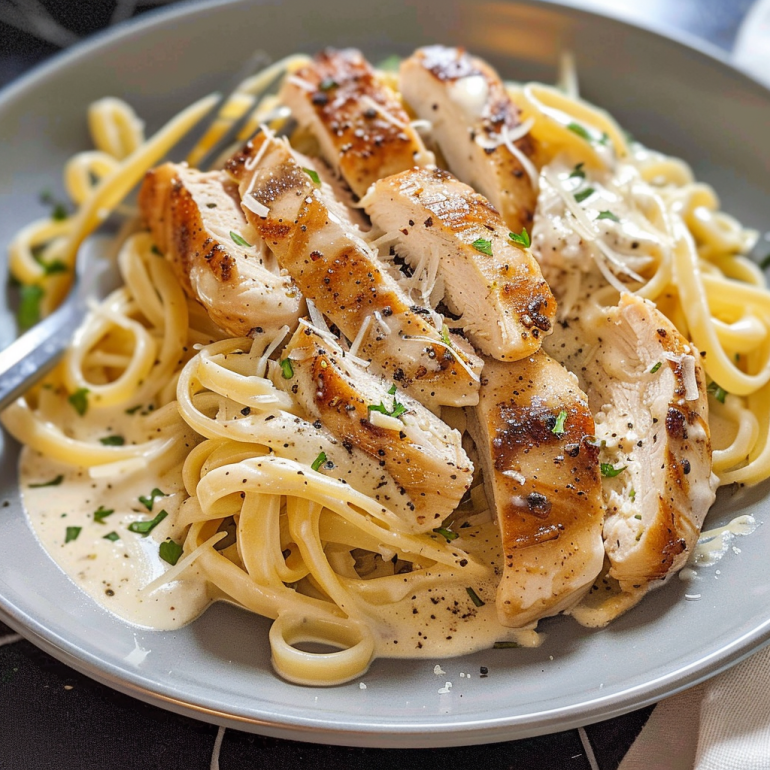
Table of Contents
Preparing Your Chicken to Perfection
Selecting and Seasoning the Chicken
Choosing quality chicken breasts makes a significant difference in your final dish. Look for breasts that are similar in size so they cook evenly, and don’t be afraid to pound them to an even thickness if needed. Before cooking, season your chicken generously with salt, pepper, and Italian seasoning. This step isn’t just about flavor on the surface; it actually helps develop a beautiful golden crust during cooking. Let the seasoned chicken sit at room temperature for about 15 minutes before cooking, which ensures more even cooking throughout. Some folks like adding a touch of garlic powder or paprika for extra depth, but keep it simple if you prefer letting the Alfredo sauce shine.
Love cooking with chicken? Try this flavorful recipe as well: Cajun Alfredo Sauce
Cooking Techniques for Juicy Results
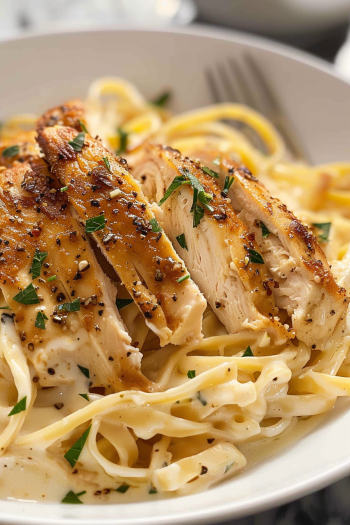
Heat your olive oil in a large skillet over medium-high heat until it shimmers but doesn’t smoke. Carefully place your seasoned chicken breasts in the pan, making sure not to crowd them. Resist the urge to move them around; let them develop that gorgeous golden-brown crust for about 6-7 minutes on the first side. Flip them once and continue cooking for another 5-6 minutes until they reach an internal temperature of 165°F. Once cooked, transfer the chicken to a cutting board and let it rest for five minutes before slicing. This resting period allows the juices to redistribute throughout the meat, ensuring every bite stays moist and tender rather than dry and disappointing.
Ingredients
| Ingredient | Quantity |
|---|---|
| Boneless, skinless chicken breasts | 1.5 pounds |
| Fettuccine pasta | 1 pound |
| Heavy cream | 2 cups |
| Unsalted butter | 4 tablespoons |
| Freshly grated Parmesan cheese | 1.5 cups |
| Garlic cloves, minced | 4 cloves |
| Olive oil | 2 tablespoons |
| Salt | To taste |
| Black pepper | To taste |
| Italian seasoning | 1 teaspoon |
| Fresh parsley, chopped | 2 tablespoons |
Mastering the Alfredo Sauce
Building Flavor with Butter and Garlic
After removing your chicken from the skillet, it’s time to create that dreamy Alfredo sauce. Melt the butter in the same pan over medium heat, which captures all those flavorful browned bits left from the chicken. Add your minced garlic and sauté for about a minute until fragrant, but watch carefully to prevent burning. Burnt garlic turns bitter and can ruin your sauce, so keep it moving and don’t walk away. This aromatic base sets the stage for everything that follows. The combination of butter and garlic creates a flavor foundation that elevates the cream and cheese, transforming simple ingredients into something truly spectacular.
Creating the Perfect Creamy Consistency
Pour in your heavy cream, stirring constantly as it warms and begins to simmer gently. You’ll notice the cream thickening slightly as it heats, which is exactly what you want. Reduce the heat to low and gradually add your freshly grated Parmesan cheese, stirring continuously until it melts completely into the sauce. Fresh Parmesan makes all the difference here; pre-shredded cheese contains anti-caking agents that prevent smooth melting. If your sauce seems too thick, add a splash of pasta water to thin it out. Conversely, if it’s too thin, let it simmer a bit longer. The goal is a sauce that coats the back of a spoon without being gloppy or watery.
Cooking Pasta Like a Pro
Timing and Technique for Al Dente Perfection
While your sauce comes together, cook your fettuccine according to package directions in well-salted boiling water. The water should taste like the sea; this is your only chance to season the pasta itself. Start checking for doneness about two minutes before the package suggests, fishing out a strand to test. Al dente means “to the tooth” in Italian, describing pasta that’s tender but still has a slight firmness when you bite it. This texture is crucial because the pasta will continue cooking slightly when tossed with the hot sauce. Overcooked pasta turns mushy and can’t hold onto the sauce properly, while undercooked pasta tastes chalky and unpleasant.
The Pasta Water Secret
Before draining your pasta, reserve at least a cup of that starchy cooking water. Many home cooks skip this step, but it’s actually a game-changer for creamy pasta dishes. The starchy water acts as a natural thickener and helps the sauce cling to every noodle. When you combine the pasta with your Alfredo sauce, add a few tablespoons of this liquid gold if the sauce seems too thick or isn’t coating the pasta well. The starch creates an emulsion that brings everything together into a cohesive, glossy dish. It’s an old Italian trick that professional chefs swear by, and once you try it, you’ll never skip this step again.
Bringing It All Together
Combining Components for Maximum Flavor
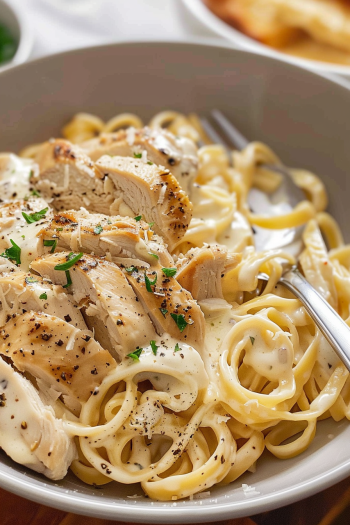
Now comes the exciting part where all your hard work pays off. Add your drained fettuccine directly to the pan with your creamy Alfredo sauce, tossing gently to coat every strand. Use tongs or two forks to lift and turn the pasta, ensuring the sauce distributes evenly. Slice your rested chicken into strips and arrange them over the pasta, or toss them in if you prefer everything mixed together. The residual heat from the pasta and sauce will warm the chicken through if it’s cooled slightly. Don’t rush this step; take your time to make sure every element comes together beautifully. This is also when you can adjust seasoning, adding more salt or pepper if needed.
Final Touches and Presentation
Garnish your Chicken Alfredo with freshly chopped parsley and an extra sprinkle of Parmesan cheese for a restaurant-worthy finish. The bright green parsley adds a pop of color and a fresh note that cuts through the richness. If you want to get fancy, add a crack of fresh black pepper or a pinch of red pepper flakes for subtle heat. Serve immediately while everything’s hot and the sauce is at its creamiest. The beauty of this dish is that it looks as impressive as it tastes, making it perfect for both weeknight dinners and special occasions. Your guests will think you spent hours on this masterpiece, but you’ll know the truth.
Variations to Keep Things Interesting
Add Vegetables for Extra Nutrition
While classic Chicken Alfredo is undeniably delicious, adding vegetables can boost nutrition without sacrificing flavor. Broccoli florets, sun-dried tomatoes, mushrooms, or spinach all work wonderfully in this dish. Sauté your chosen vegetables in the pan after cooking the chicken and before making the sauce. Broccoli adds a pleasant crunch and bright color, while mushrooms contribute an earthy depth that complements the creamy sauce. Spinach wilts beautifully into the hot pasta, adding nutrients and a subtle flavor. These additions transform your indulgent comfort food into a more balanced meal that still satisfies those creamy pasta cravings.
Switch Up Your Protein Options
Although chicken is traditional, this versatile sauce pairs beautifully with other proteins too. Shrimp makes an elegant alternative, cooking quickly and adding sweet, briny flavor. Grilled salmon creates a more upscale version that’s perfect for date night. For a lighter option, try using turkey breast instead of chicken. Vegetarians can skip the meat entirely and load up on vegetables, or add white beans for protein. The Alfredo sauce is forgiving and delicious enough to complement whatever protein you choose. Just remember to adjust cooking times accordingly since different proteins require different treatment.
If you’re craving more chicken dinner ideas, don’t miss this one: Homemade Alfredo Sauce
Storage and Reheating Tips
Keeping Leftovers Fresh
Store any leftover Chicken Alfredo in an airtight container in the refrigerator for up to three days. The sauce may thicken considerably as it cools, which is totally normal. Make sure your leftovers cool to room temperature before refrigerating, but don’t leave them out for more than two hours. If you’re planning to have leftovers, slightly undercook your pasta initially since it’ll soften more during storage and reheating. Consider storing the chicken separately from the pasta if you want to maintain the best texture. This extra step takes a minute but can make a real difference in how your leftovers taste.
Reheating Without Losing Quality
Reheating cream-based sauces can be tricky, but it’s definitely doable with the right approach. Transfer your leftovers to a skillet and add a splash of milk, cream, or chicken broth to loosen the sauce. Heat gently over medium-low heat, stirring frequently to prevent sticking or burning. The microwave works in a pinch, but use 50% power and stir every 30 seconds to ensure even heating. You might need to add extra Parmesan or a pat of butter to revive the sauce’s silky texture. With these techniques, your reheated Alfredo can taste nearly as good as when you first made it.
Frequently Asked Questions
Can I use milk instead of heavy cream for Alfredo sauce?
While you can substitute milk for heavy cream, your sauce won’t be as rich and creamy. Whole milk works better than low-fat options, but you’ll need to add a thickening agent like flour or cornstarch to achieve proper consistency.
Why is my Alfredo sauce grainy?
Grainy Alfredo sauce usually results from overheating or using pre-shredded cheese. High heat can cause the cheese to separate and become grainy rather than melting smoothly.
How do I prevent my chicken from drying out?
The key to juicy chicken is not overcooking it and letting it rest after cooking. Use a meat thermometer to ensure you’re hitting exactly 165°F internally, then remove it from heat immediately.
Can I make Chicken Alfredo ahead of time?
While freshly made Chicken Alfredo tastes best, you can prepare components ahead of time. Cook and slice your chicken up to 24 hours in advance, storing it covered in the refrigerator.
What’s the best pasta shape for Chicken Alfredo?
Fettuccine is the traditional choice because its flat, ribbon-like shape holds the creamy sauce beautifully. However, other pasta shapes work well too.
Conclusion
Making homemade Chicken Alfredo might seem intimidating at first, but with this comprehensive guide, you’ve got everything you need to create an absolutely spectacular dish. From perfectly cooked chicken to silky smooth sauce and properly prepared pasta, each element plays an important role in the final result. The beauty of this recipe lies in its simplicity; you’re working with basic ingredients and straightforward techniques to create something that tastes like it came from an expensive Italian restaurant.
Print
Chicken Alfredo
- Total Time: 40 minutes
- Yield: 6 servings 1x
Description
Creamy, restaurant-quality Chicken Alfredo with tender chicken breast, silky homemade Alfredo sauce, and perfectly cooked fettuccine pasta.
Ingredients
- 1.5 pounds boneless, skinless chicken breasts
- 1 pound fettuccine pasta
- 2 cups heavy cream
- 4 tablespoons unsalted butter
- 1.5 cups freshly grated Parmesan cheese
- 4 cloves garlic, minced
- 2 tablespoons olive oil
- Salt to taste
- Black pepper to taste
- 1 teaspoon Italian seasoning
- 2 tablespoons fresh parsley, chopped
Instructions
- 1. Season chicken breasts with salt, pepper, and Italian seasoning. Heat olive oil in a large skillet over medium-high heat and cook chicken for 6-7 minutes per side until golden and cooked through (165°F internal temperature). Remove and let rest 5 minutes before slicing.
- 2. Cook fettuccine in salted boiling water according to package directions until al dente. Reserve 1 cup pasta water before draining.
- 3. In the same skillet used for chicken, melt butter over medium heat. Add minced garlic and sauté for 1 minute until fragrant.
- 4. Pour in heavy cream and bring to a gentle simmer. Reduce heat to low and gradually add Parmesan cheese, stirring constantly until melted and smooth.
- 5. Add drained pasta to the sauce and toss to coat. Add reserved pasta water if needed to achieve desired consistency.
- 6. Slice rested chicken and arrange over pasta. Garnish with fresh parsley and additional Parmesan cheese. Serve immediately.
Notes
Store leftovers in an airtight container in the refrigerator for up to 3 days. Reheat gently in a skillet with a splash of milk or cream to restore creamy consistency. Use freshly grated Parmesan for best results; pre-shredded cheese may cause a grainy texture.
- Prep Time: 15 minutes
- Cook Time: 25 minutes
- Category: Main Course
- Method: Stovetop
- Cuisine: Italian-American
Nutrition
- Serving Size: 1 serving
- Calories: 685
- Sugar: 3g
- Sodium: 520mg
- Fat: 38g
- Carbohydrates: 46g
- Fiber: 2g
- Protein: 42g