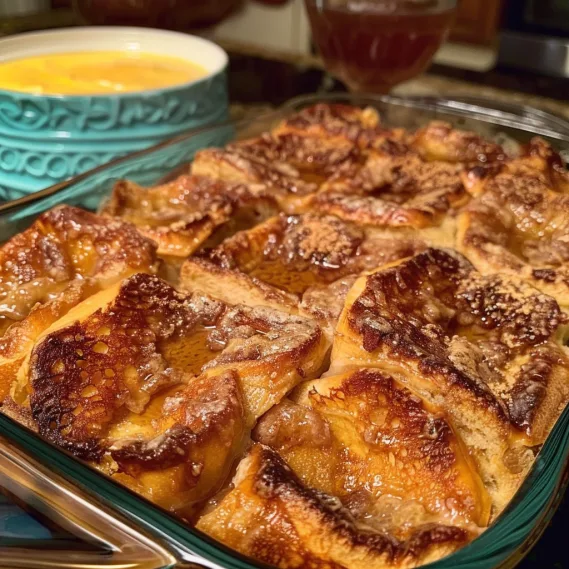
There’s nothing quite like waking up to a breakfast that’s already prepared and ready to pop in the oven. This Easy Overnight French Toast Casserole is the ultimate solution for busy mornings, holiday gatherings, or weekend brunches when you want to impress without the stress. Instead of standing over the stove flipping individual slices, you’ll assemble this decadent dish the night before, let it soak up all that custard goodness, and simply bake it when you’re ready.
Selecting the Right Bread
Best Bread Choices
The foundation of any great french toast casserole starts with choosing the right bread. French bread and challah are top contenders because of their sturdy structure and ability to soak up custard without turning to mush. Brioche is another excellent option, bringing a buttery richness that elevates the entire dish. Day-old or slightly stale bread actually works better than fresh because it absorbs the egg mixture more efficiently. Furthermore, the denser crumb structure holds up during the overnight refrigeration and subsequent baking process.
Preparing Your Bread
Cut your bread into uniform cubes, roughly one to one-and-a-half inches in size. This consistency ensures even soaking and cooking throughout the casserole. If your bread is too fresh, consider leaving the cubes out on a baking sheet for a few hours or lightly toasting them in the oven. This drying process creates the perfect texture for absorbing the custard mixture. Don’t worry about being too precise with your cuts; a little variation adds to the rustic, homemade charm of the finished dish.
Ingredients
| Ingredient | Quantity |
|---|---|
| French bread or challah, cut into cubes | 1 loaf (about 16 ounces) |
| Large eggs | 8 |
| Whole milk | 2 cups |
| Heavy cream | 1/2 cup |
| Granulated sugar | 1/2 cup |
| Brown sugar | 1/2 cup |
| Vanilla extract | 2 teaspoons |
| Ground cinnamon | 1 teaspoon |
| Ground nutmeg | 1/4 teaspoon |
| Salt | 1/4 teaspoon |
| Unsalted butter, melted | 4 tablespoons |
| Powdered sugar for dusting | Optional |
Creating the Perfect Custard Base
Balancing Richness and Flavor
The custard is where the magic really happens in this breakfast casserole. Using a combination of whole milk and heavy cream strikes the ideal balance between richness and texture without being overly heavy. The ratio of eggs to liquid is crucial for achieving that silky, custardy interior while maintaining enough structure to hold the casserole together. Meanwhile, the dual sugars add complexity, with granulated sugar providing sweetness and brown sugar contributing depth with its molasses notes.
Spice Combinations
Cinnamon and nutmeg are classic spices that transform this dish from ordinary to extraordinary. However, feel free to experiment with your spice cabinet. A pinch of cardamom adds an elegant, slightly floral note, while allspice can bring warmth and complexity. Vanilla extract is non-negotiable, as it ties all the flavors together beautifully. For an extra layer of depth, consider using vanilla bean paste or scraping the seeds from a fresh vanilla bean directly into your custard mixture.
Assembly and Overnight Preparation
Layering Technique
Start by generously buttering your baking dish to prevent sticking and add extra richness. Arrange half of your bread cubes in an even layer across the bottom of the dish. Pour half the custard mixture over this layer, gently pressing down with a spatula to ensure the bread soaks up the liquid. Add the remaining bread cubes and pour over the rest of the custard, again pressing gently. This layering method guarantees that every piece of bread gets thoroughly saturated with that delicious egg mixture.
The Refrigeration Process
Cover your assembled casserole tightly with plastic wrap or aluminum foil and refrigerate for at least eight hours, though overnight works best. During this time, the bread continues absorbing the custard, and the flavors meld together beautifully. In fact, you can prepare this dish up to twenty-four hours in advance, making it incredibly flexible for your schedule. Before baking, let the casserole sit at room temperature for about thirty minutes while your oven preheats.

Baking to Golden Perfection
Temperature and Timing
Preheat your oven to three hundred fifty degrees Fahrenheit for optimal results. This moderate temperature allows the casserole to cook through evenly without burning the top before the center sets. Bake uncovered for forty-five to fifty-five minutes, watching for that beautiful golden-brown color to develop on top. The center should be set but still slightly jiggly when you gently shake the pan. A toothpick inserted into the center should come out mostly clean with just a few moist crumbs attached.
Achieving the Perfect Texture
For an extra-crispy top, you can brush the surface with melted butter before baking or sprinkle additional brown sugar mixed with cinnamon on top. If you notice the top browning too quickly, tent the casserole loosely with foil during the last fifteen minutes of baking. Let the finished casserole rest for five to ten minutes before serving, allowing the custard to set completely and making it easier to slice into neat portions.
Topping Ideas and Variations
Classic Toppings
A simple dusting of powdered sugar adds elegance and sweetness without overwhelming the dish. Warm maple syrup is practically mandatory, drizzled generously over each serving. Fresh berries bring brightness and a pop of color, while their natural tartness balances the richness of the casserole. Whipped cream adds a luxurious touch, especially when lightly sweetened with vanilla. Consider offering a variety of toppings so guests can customize their servings according to their preferences.
Creative Additions
Transform your basic recipe into something special by incorporating mix-ins. Sprinkle cream cheese cubes throughout the layers for pockets of tangy richness. Chocolate chips turn this into a dessert-worthy breakfast, while blueberries or sliced strawberries add fruity brightness. Chopped pecans or walnuts provide crunch and nutty flavor. For a sophisticated twist, fold in orange zest and serve with orange-maple syrup. The possibilities are truly endless when it comes to customizing this versatile dish.
Storage and Reheating Tips
Keeping Leftovers Fresh
Store any leftover french toast casserole in an airtight container in the refrigerator for up to four days. The custard texture holds up remarkably well, making this an excellent meal-prep option for busy weekday mornings. You can also freeze individual portions wrapped tightly in plastic wrap and aluminum foil for up to three months. This freezer-friendly quality means you can enjoy a homemade breakfast even on the most hectic mornings without any advanced planning.
Best Reheating Methods
For best results, reheat portions in a three hundred fifty degree oven until warmed through, about fifteen to twenty minutes. This method helps restore some of the crispy texture on top. Alternatively, microwave individual servings for one to two minutes, though the texture will be softer. If reheating from frozen, thaw overnight in the refrigerator first, then use your preferred reheating method. A quick pass under the broiler can help re-crisp the top if desired.
Frequently Asked Questions
Can I use regular sandwich bread instead of French bread?
While you can technically use regular sandwich bread, it’s not ideal because it tends to become too mushy and may fall apart during baking. French bread, challah, or brioche have sturdier structures that hold up much better to the overnight soaking and baking process.
How do I know when the casserole is fully cooked?
The casserole is done when the top is golden brown and the center is set but still slightly jiggly. Insert a knife or toothpick into the center; it should come out mostly clean with just a few moist crumbs.
Can I make this dairy-free?
Yes, you can substitute the milk and cream with your favorite dairy-free alternatives like almond milk, oat milk, or coconut milk. Use coconut cream in place of heavy cream for richness.
Why is my French toast casserole soggy?
A soggy casserole usually results from using too much liquid, bread that’s too fresh, or not baking it long enough. Make sure you’re using day-old or slightly stale bread, measuring your liquids accurately, and baking until the center is fully set.
Can I prepare and bake this on the same day?
While the overnight method yields the best texture and flavor, you can prepare and bake it the same day if needed. Let the assembled casserole sit for at least two hours at room temperature or four hours in the refrigerator before baking.
Conclusion
This Easy Overnight French Toast Casserole truly delivers on its promise of effortless elegance. By investing just a few minutes of prep time the night before, you’re rewarded with a show-stopping breakfast that tastes like you spent hours in the kitchen. The combination of custardy bread, warm spices, and golden-brown perfection creates a dish that satisfies on every level.
Print
Easy Overnight French Toast Casserole
- Total Time: 9 hours 5 minutes
- Yield: 12 servings 1x
Description
A make-ahead breakfast casserole with custardy French bread soaked overnight in a cinnamon-spiced egg mixture, then baked to golden perfection. Perfect for stress-free holiday mornings and weekend brunches.
Ingredients
- 1 loaf French bread or challah (16 ounces), cut into cubes
- 8 large eggs
- 2 cups whole milk
- 1/2 cup heavy cream
- 1/2 cup granulated sugar
- 1/2 cup brown sugar
- 2 teaspoons vanilla extract
- 1 teaspoon ground cinnamon
- 1/4 teaspoon ground nutmeg
- 1/4 teaspoon salt
- 4 tablespoons unsalted butter, melted
- Powdered sugar for dusting (optional)
Instructions
- 1. Generously butter a 9×13-inch baking dish and arrange half of the bread cubes in an even layer.
- 2. In a large bowl, whisk together eggs, milk, heavy cream, granulated sugar, brown sugar, vanilla extract, cinnamon, nutmeg, and salt until well combined.
- 3. Pour half of the custard mixture over the bread layer, gently pressing down with a spatula to help absorption.
- 4. Add the remaining bread cubes and pour over the rest of the custard mixture, pressing gently again.
- 5. Drizzle melted butter evenly over the top, then cover tightly with plastic wrap or aluminum foil.
- 6. Refrigerate for at least 8 hours or overnight, allowing the bread to fully absorb the custard.
- 7. Remove from refrigerator and let sit at room temperature for 30 minutes while preheating oven to 350°F.
- 8. Bake uncovered for 45-55 minutes until golden brown on top and the center is set but slightly jiggly.
- 9. Let rest for 5-10 minutes before serving, then dust with powdered sugar if desired.
- 10. Serve warm with maple syrup, fresh berries, and whipped cream.
Notes
Store leftovers in an airtight container in the refrigerator for up to 4 days. Can be frozen for up to 3 months. Reheat in a 350°F oven for best results. Day-old bread works better than fresh bread for optimal texture.
- Prep Time: 15 minutes
- Cook Time: 50 minutes
- Category: Breakfast
- Cuisine: American
Nutrition
- Serving Size: 1 serving
- Calories: 342
- Sugar: 24g
- Sodium: 385mg
- Fat: 14g
- Carbohydrates: 46g
- Fiber: 2g
- Protein: 9g