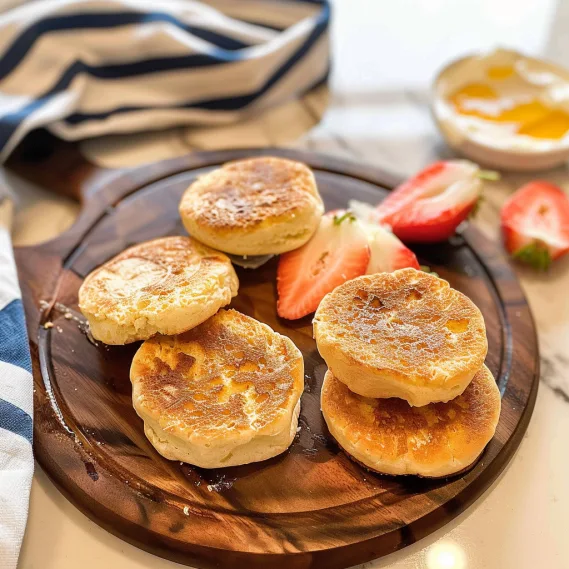
There’s nothing quite like biting into a warm, toasty English muffin with all those nooks and crannies perfectly crisped and ready to hold melted butter. If you’ve been missing out on this breakfast staple because of gluten sensitivities, you’re in for a treat. These gluten-free English muffins deliver that classic texture and flavor you’ve been craving, without any wheat flour in sight.
Essential Techniques for Perfect Texture
Activating Your Yeast Properly
Yeast activation is crucial for achieving those beautiful air pockets in your gluten-free English muffins. Start by ensuring your liquids are at the right temperature, ideally between 105 and 110 degrees Fahrenheit. Water that’s too hot will kill the yeast, while water that’s too cool won’t activate it properly. Use a thermometer if you’re uncertain, or test the liquid on your wrist—it should feel comfortably warm, not hot.
Combine the yeast with a small amount of sugar and warm water, then let it sit for about five minutes until it becomes foamy. This process, called proofing, confirms that your yeast is alive and active. If the mixture doesn’t foam, your yeast might be expired or the water temperature was incorrect. In that case, start over with fresh yeast. Once activated, the yeast will work its magic throughout the batter, creating those signature nooks and crannies.
Achieving the Right Batter Consistency
Unlike traditional English muffin dough, which is kneaded and rolled, gluten-free versions use a thick batter that’s spooned into rings. The consistency should resemble thick pancake batter—pourable but not runny. If your batter seems too thick, add water one tablespoon at a time. Conversely, if it’s too thin, incorporate additional flour gradually.
The batter needs time to rest and rise after mixing. This resting period allows the flour to fully hydrate and gives the yeast time to produce gas bubbles. Don’t skip this step, even if you’re in a hurry. Cover the bowl with a damp towel and place it in a warm, draft-free location. In about an hour, your batter should nearly double in size and show visible bubbles on the surface. This rising process is essential for developing flavor and texture.
Ingredients
| Ingredient | Quantity |
|---|---|
| Gluten-free all-purpose flour blend | 2 cups |
| Xanthan gum (if not in flour blend) | 1 teaspoon |
| Active dry yeast | 2 teaspoons |
| Granulated sugar | 1 tablespoon |
| Salt | 1 teaspoon |
| Warm milk (or dairy-free alternative) | 3/4 cup |
| Warm water | 1/4 cup |
| Unsalted butter, melted | 2 tablespoons |
| Apple cider vinegar | 1 teaspoon |
| Cornmeal for dusting | As needed |
Step-by-Step Preparation Method
Mixing and First Rise
Begin by whisking together your dry ingredients in a large mixing bowl. Make sure the flour, xanthan gum, salt, and any other dry components are evenly distributed. In a separate container, combine your activated yeast mixture with warm milk, melted butter, and apple cider vinegar. The vinegar might seem unusual, but it helps activate the baking properties of the flour blend and adds a subtle tang reminiscent of sourdough.
Pour the wet ingredients into the dry ingredients and stir until well combined. The mixture will be thick and sticky—this is exactly what you want. Beat the batter vigorously for about two minutes to incorporate air and help develop structure. Then, cover the bowl with plastic wrap or a clean kitchen towel and set it in a warm spot. During the next hour, the yeast will work its magic, creating bubbles and causing the batter to rise significantly.
Shaping and Cooking on the Griddle
Once your batter has risen, prepare your cooking surface. Heat a griddle or large skillet over medium-low heat—this is important because English muffins cook slowly to ensure the interior cooks through without burning the exterior. Lightly grease English muffin rings or clean tuna cans with the tops and bottoms removed, then place them on the hot griddle. Sprinkle cornmeal inside each ring to prevent sticking and add that classic texture.
Spoon the batter into each ring, filling them about halfway. They’ll continue to rise as they cook. Cook for approximately seven to eight minutes on the first side, until the bottoms are golden brown and the tops appear set. Carefully flip the muffins, rings and all, and cook for another seven to eight minutes. The muffins are done when they sound hollow when tapped and reach an internal temperature of 200 degrees Fahrenheit. Remove them from the rings while still warm and let them cool on a wire rack.
Troubleshooting Common Issues
Dense or Gummy Texture Problems
If your gluten-free English muffins turn out dense rather than light and airy, several factors could be at fault. First, check your yeast—expired or improperly activated yeast won’t create enough rise. Second, make sure you’re not overmixing the batter after adding the wet ingredients, as this can deflate the air bubbles. Third, verify that your batter had adequate time to rise before cooking.
Gummy texture typically results from undercooking. Because these muffins are thicker than regular pancakes, they need low, slow heat to cook through completely. If your griddle temperature is too high, the outside will brown before the inside cooks, leaving a gummy center. Additionally, ensure you’re using the correct amount of liquid—too much moisture can lead to a gummy texture even with proper cooking time. Make adjustments in small increments until you find the perfect balance for your kitchen conditions.
Spreading or Losing Shape During Cooking
Sometimes gluten-free English muffin batter spreads beyond the rings during cooking, resulting in misshapen muffins. This usually indicates that your batter is too thin. Next time, add a bit more flour to achieve a thicker consistency that holds its shape. Another solution is making sure your rings fit snugly against the griddle with no gaps where batter can escape.
Temperature also plays a role here. If your griddle is too hot, the batter might thin out before setting. Keep the heat at medium-low and be patient. Furthermore, avoid overfilling your rings—the batter will rise as it cooks, so filling them just halfway provides room for expansion without overflow. If you don’t have proper English muffin rings, you can make your own from aluminum foil folded into sturdy bands and secured with staples.
Flavor Variations and Add-Ins
Sweet Breakfast Versions
Transform your gluten-free English muffins into sweet morning treats by incorporating different flavors. Cinnamon raisin is a classic variation—simply add one teaspoon of ground cinnamon to the dry ingredients and fold in half a cup of raisins before the first rise. The raisins will plump up during cooking, adding bursts of sweetness throughout.
For a more indulgent option, try blueberry English muffins by gently folding fresh or frozen blueberries into the risen batter just before cooking. Cranberry orange is another delightful combination—add dried cranberries and a tablespoon of orange zest for a bright, tangy flavor. These sweet variations are perfect for toasting and spreading with cream cheese or your favorite jam. They also make excellent bases for breakfast sandwiches when paired with eggs and cheese.
Savory Herb and Cheese Options
Savory gluten-free English muffins work beautifully for lunch sandwiches or alongside soups and salads. Mix in shredded cheddar cheese and chopped fresh herbs like rosemary, thyme, or chives for a sophisticated flavor profile. The cheese adds richness while the herbs provide aromatic complexity that complements many dishes.
Another savory option includes sun-dried tomatoes and Italian seasoning, which creates Mediterranean-inspired muffins perfect for panini-style sandwiches. You could also add caramelized onions and garlic for a deeper, more complex flavor. When making savory variations, consider reducing the sugar in the base recipe to one teaspoon instead of one tablespoon, allowing the savory flavors to shine through without competing with sweetness.
Storage and Freezing Guidelines
Short-Term Storage Methods
Freshly made gluten-free English muffins stay fresh at room temperature for about three days when stored properly. Allow them to cool completely before storing, as trapped steam can make them soggy. Place them in an airtight container or resealable plastic bag, keeping them whole rather than pre-split. This helps maintain moisture and prevents them from drying out.
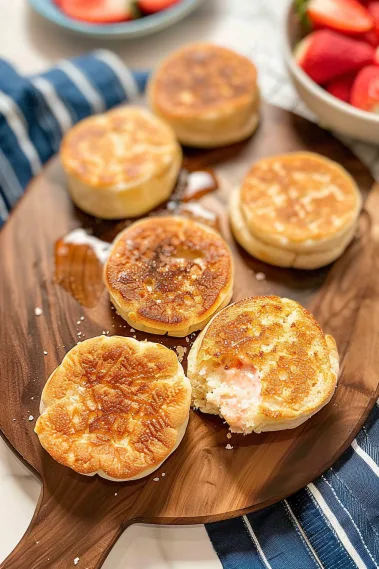
For the best texture when serving, split the muffins with a fork rather than cutting them with a knife. Forking creates those irregular surfaces that toast up beautifully and hold toppings better. Toast them until golden and crispy before serving—this step significantly improves the texture and brings out the flavor. If your muffins seem slightly stale after a day or two, toasting them well will revive their appeal.
Long-Term Freezing Techniques
Freezing is the ideal solution for keeping gluten-free English muffins on hand for quick breakfasts. Once completely cooled, place the whole muffins in a single layer on a baking sheet and freeze for about an hour. This flash-freezing prevents them from sticking together. Then, transfer them to a freezer-safe bag or container, removing as much air as possible.
Properly frozen gluten-free English muffins maintain their quality for up to three months. To serve, you can toast them directly from frozen—no thawing required. Simply adjust your toaster to a slightly longer setting. Alternatively, let them thaw at room temperature for about thirty minutes, then toast as usual. This make-ahead approach means you’ll always have homemade English muffins ready when cravings strike, making busy mornings much more manageable.
Serving Suggestions and Pairings
Classic Breakfast Preparations
The traditional way to enjoy English muffins remains one of the best—toasted until golden with butter melting into every nook and cranny. However, these gluten-free versions excel in many other applications too. Create a classic eggs Benedict by topping split muffins with poached eggs, Canadian bacon, and hollandaise sauce. The sturdy texture holds up beautifully under the weight of toppings and sauce.
Breakfast sandwiches are another excellent use for these muffins. Layer scrambled eggs, cheese, and your choice of breakfast meat between the toasted halves for a satisfying meal. They’re also perfect for avocado toast—the textured surface holds mashed avocado better than smooth bread. Top with everything bagel seasoning, red pepper flakes, or a drizzle of olive oil for extra flavor. These muffins provide substantial sustenance that keeps you full throughout the morning.
Creative Lunch and Dinner Uses
Don’t limit these gluten-free English muffins to breakfast time. They make exceptional burger buns, providing structure that won’t fall apart from juicy patties and condiments. Their size is perfect for sliders or regular burgers, and they toast up nicely on the grill. Split them, brush with garlic butter, and toast them cut-side down until crispy for an easy garlic bread alternative.
These muffins also work wonderfully as pizza bases. Split and toast them, then top with sauce, cheese, and your favorite toppings before broiling until bubbly. They’re the perfect size for personal pizzas and much easier than making gluten-free pizza dough from scratch. Additionally, use them for pulled pork or chicken sandwiches—the texture complements barbecue flavors perfectly and won’t get soggy quickly like regular bread might.
Frequently Asked Questions
Can I make these gluten-free English muffins without xanthan gum?
Yes, you can substitute psyllium husk powder for xanthan gum in a 1:1 ratio. Psyllium provides similar binding properties and works well in yeasted gluten-free recipes. Some bakers prefer it because it’s a natural fiber supplement.
Why are my gluten-free English muffins not rising properly?
Poor rising usually stems from inactive yeast or incorrect liquid temperature. Always check the expiration date on your yeast package and proof it before mixing to confirm it’s working. The liquid temperature should be between 105-110 degrees Fahrenheit—any hotter will kill the yeast, any cooler won’t activate it.
Can I make this recipe dairy-free?
Absolutely. Replace the regular milk with your preferred dairy-free alternative such as almond milk, oat milk, or coconut milk. Substitute the butter with coconut oil, vegan butter, or another dairy-free fat. The recipe works equally well with these substitutions, and you won’t notice a significant difference in taste or texture.
How do I know when the muffins are fully cooked?
Properly cooked gluten-free English muffins should be golden brown on both sides and sound hollow when tapped on the bottom. The internal temperature should reach 200 degrees Fahrenheit, which you can check with an instant-read thermometer inserted into the center.
Can I use this batter to make regular bread instead of English muffins?
While this batter is specifically formulated for English muffins, you can bake it in a loaf pan if you prefer. Grease a standard loaf pan, pour in the risen batter, and bake at 375 degrees Fahrenheit for about 35-40 minutes, or until a toothpick inserted in the center comes out clean.
Conclusion
Making gluten-free English muffins at home might seem intimidating at first, but with the right techniques and understanding of gluten-free baking principles, you’ll soon be producing bakery-quality results in your own kitchen. These muffins prove that gluten-free doesn’t mean flavor-free or texture-compromised. With their crispy exteriors, tender interiors, and those iconic nooks and crannies, they stand up remarkably well against traditional versions.
Print
Gluten-Free English Muffins
- Total Time: 90 minutes
- Yield: 8 muffins 1x
Description
Perfectly textured gluten-free English muffins with authentic nooks and crannies, ideal for toasting and enjoying with your favorite toppings or as sandwich bases.
Ingredients
- 2 cups gluten-free all-purpose flour blend
- 1 teaspoon xanthan gum (if not in flour blend)
- 2 teaspoons active dry yeast
- 1 tablespoon granulated sugar
- 1 teaspoon salt
- 3/4 cup warm milk (or dairy-free alternative)
- 1/4 cup warm water
- 2 tablespoons unsalted butter, melted
- 1 teaspoon apple cider vinegar
- Cornmeal for dusting
Instructions
- 1. In a small bowl, combine warm water, yeast, and sugar. Let sit for 5 minutes until foamy.
- 2. In a large bowl, whisk together gluten-free flour, xanthan gum, and salt.
- 3. Add activated yeast mixture, warm milk, melted butter, and apple cider vinegar to the dry ingredients. Mix vigorously for 2 minutes.
- 4. Cover bowl with a damp towel and let rise in a warm place for 1 hour, or until doubled in size.
- 5. Heat a griddle or skillet over medium-low heat. Grease English muffin rings and place on griddle. Sprinkle cornmeal inside each ring.
- 6. Spoon batter into rings, filling halfway. Cook for 7-8 minutes until bottoms are golden brown.
- 7. Flip muffins with rings and cook another 7-8 minutes until cooked through and hollow-sounding when tapped.
- 8. Remove from rings and cool on a wire rack. Split with a fork and toast before serving.
Notes
Store in an airtight container at room temperature for up to 3 days, or freeze for up to 3 months. Toast directly from frozen for best results. For savory versions, add herbs and cheese; for sweet versions, add cinnamon and raisins.
- Prep Time: 15 minutes
- Cook Time: 15 minutes
- Category: Breakfast
- Method: Griddle Cooking
- Cuisine: American
Nutrition
- Serving Size: 1 muffin
- Calories: 165
- Sugar: 2g
- Sodium: 295mg
- Fat: 4g
- Carbohydrates: 29g
- Fiber: 2g
- Protein: 4g