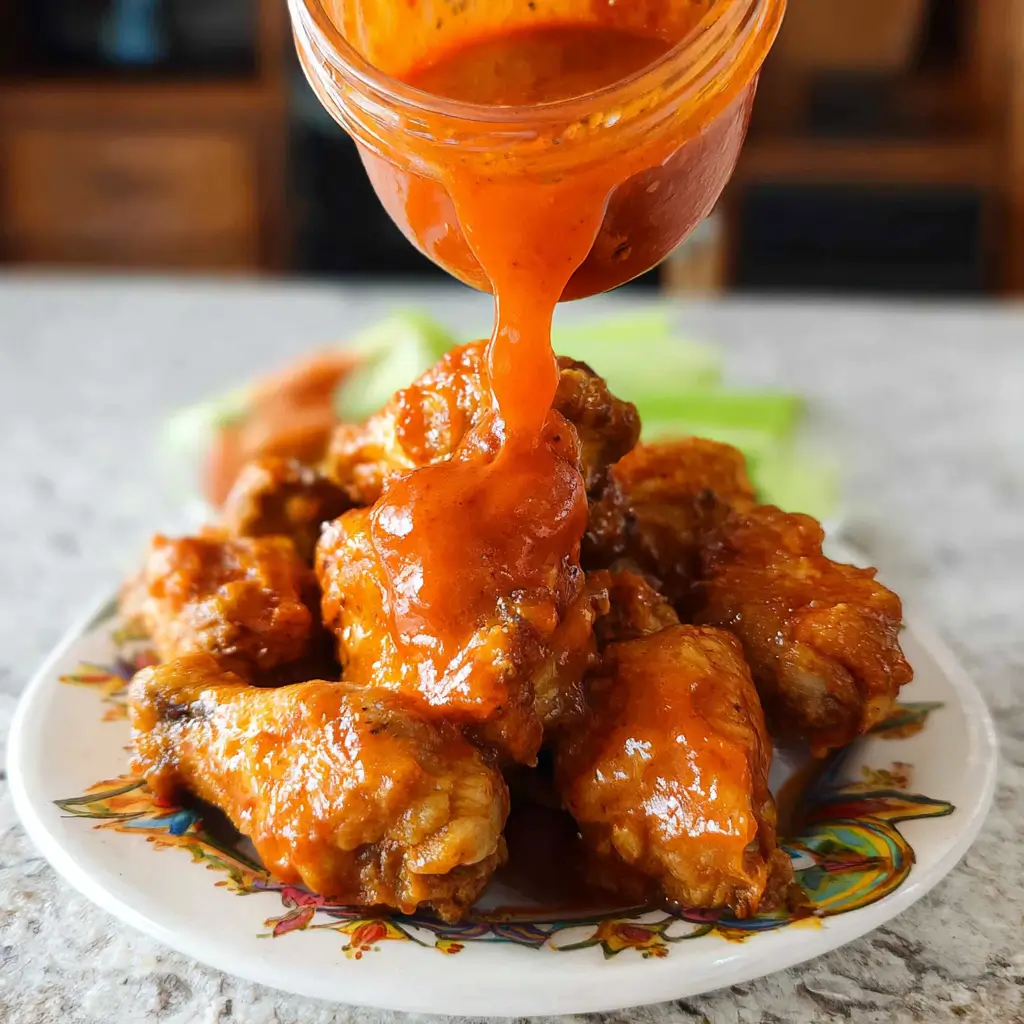
There’s something undeniably irresistible about a perfectly saucy buffalo wing—the tangy heat, the buttery richness, the way it clings to each crispy bite. Making buffalo wings at home is one thing, but having a homemade buffalo wing sauce that tastes like your favorite wing joint? That’s next-level. The beauty is that it doesn’t require dozens of ingredients or a culinary degree. A handful of pantry staples like hot sauce, butter, and a touch of seasoning can create a sauce that’s spicy, tangy, and buttery—perfect for tossing with wings, drizzling over cauliflower bites, or even using as a dip for fries. With a little patience and the right technique, your homemade buffalo wing sauce will rival restaurant-style wings, and your kitchen will smell heavenly while you’re at it.
Essential Ingredients for Classic Buffalo Wing Sauce
Core Ingredients
To create authentic, restaurant-style buffalo wing sauce at home, you only need a few simple, familiar ingredients. Using pantry staples ensures this recipe is beginner-friendly, quick, and versatile.
Optional Flavor Boosters
A few small add-ins like garlic powder, smoked paprika, or cayenne can elevate your buffalo wing sauce while keeping it simple.
Ingredient Table (US Measurements)
| Ingredient | Measurement | Notes |
|---|---|---|
| Hot sauce (Cayenne-based, like Frank’s RedHot) | 1 cup | Classic base for traditional buffalo flavor |
| Unsalted butter | 1/2 cup (1 stick) | Adds creaminess and glossy texture |
| Distilled white vinegar | 1 tablespoon | Balances richness with tang |
| Worcestershire sauce | 1 teaspoon | Adds depth and umami |
| Garlic powder | 1/2 teaspoon | Optional; boosts flavor |
| Smoked paprika | 1/2 teaspoon | Optional; adds subtle smokiness |
| Salt | 1/4 teaspoon | Adjust to taste |
| Honey or brown sugar | 1 teaspoon | Optional; balances heat if desired |
| Cayenne pepper | 1/4 teaspoon | Optional; for extra heat |
Step-by-Step Method for Smooth, Spicy Sauce
Preparing the Butter and Hot Sauce Base
Start by cutting your butter into small cubes. This helps it melt evenly and emulsify properly with the hot sauce. In a medium saucepan over low heat, gently melt the butter, stirring occasionally. Once the butter is fully melted, slowly whisk in your hot sauce. Adding the sauce gradually ensures a smooth, glossy texture without separating.
Adding Flavor and Balancing the Heat
Next, stir in the vinegar and Worcestershire sauce to give the buffalo sauce its signature tang and depth. Sprinkle in garlic powder, smoked paprika, and salt, adjusting to your taste. If you prefer a slightly sweeter sauce, add honey or a small pinch of brown sugar. For extra heat, cayenne pepper can be included at this stage. Stir constantly until all ingredients are well combined and the sauce is warm, silky, and ready to coat your wings.
Tips for Perfecting Your Homemade Buffalo Wing Sauce
Secrets to Silky, Flavorful Buffalo Sauce
Control the Heat for Smooth Emulsification
The key to a perfect buffalo wing sauce is gentle heat. Butter and hot sauce combine best over low heat, which prevents the mixture from separating. Avoid boiling the sauce—high temperatures can cause it to break, leaving an oily, uneven texture. Stir frequently and add the hot sauce gradually for a consistent, glossy finish that clings beautifully to wings.
Balancing Heat and Tang
Authentic buffalo wing sauce has a perfect balance of spicy heat and tangy flavor. Vinegar brightens the richness of the butter, while optional honey or brown sugar can tone down the heat if needed. Taste as you go, adjusting seasoning so the sauce suits your family or guests without overpowering the wings.
Flavor Boosters
Small additions like garlic powder, smoked paprika, or a pinch of cayenne can elevate your sauce without complicating the recipe. These simple tweaks add depth and a subtle smokiness that enhances the classic flavor. Following these tips ensures your homemade buffalo wing sauce is always smooth, flavorful, and ready for tossing on wings, drizzling over fries, or dipping vegetables.
Serving Ideas and Variations for Homemade Buffalo Wing Sauce
Classic Wings and Family-Friendly Snacks
Homemade buffalo wing sauce is perfect for tossing with crispy chicken wings. It also works wonderfully with chicken tenders, drumsticks, or even roasted cauliflower for a vegetarian option. Serve with celery sticks, carrot sticks, and a side of ranch or blue cheese dressing to complete the classic game-day experience. The sauce clings beautifully, ensuring every bite is packed with flavor.
Creative Uses Beyond Wings
Buffalo wing sauce isn’t just for wings. Drizzle it over baked potatoes, mix it into mac and cheese for a spicy twist, or brush it onto grilled chicken sandwiches. It also makes a zesty dipping sauce for French fries, tater tots, or even roasted vegetables. The versatility makes it a great pantry staple for busy weeknights or party nights.
Flavor Variations
Mild, Medium, or Extra Hot
Adjust the spiciness to your taste by varying the type of hot sauce or adding extra cayenne pepper. A touch of honey or brown sugar can balance the heat for a milder, kid-friendly version, while adding extra hot sauce or crushed red pepper flakes gives an intense kick for spice lovers. These simple tweaks make it easy to customize your homemade buffalo wing sauce for any occasion.
Storage and Reheating Tips for Homemade Buffalo Wing Sauce
Refrigeration Tips
After making your homemade buffalo wing sauce, allow it to cool to room temperature. Transfer it to an airtight container and store it in the refrigerator. Properly stored, it will stay fresh for up to one week. Because the butter may solidify when chilled, the sauce will thicken, but this is easy to fix when reheating.
Freezing Buffalo Wing Sauce
You can freeze the sauce if you want to make it in advance. Use a freezer-safe container and leave a small gap at the top for expansion. Thaw overnight in the refrigerator. Note that the texture may slightly change, but gentle reheating restores its creamy consistency.
Best Reheating Methods
Reheat the sauce gently on the stovetop over low heat, stirring frequently to recombine the butter and hot sauce. If it’s too thick, add a teaspoon or two of warm water or milk until it reaches the desired consistency. For quick reheating, you can use the microwave in short 20–30 second intervals, stirring in between. Following these tips ensures your buffalo wing sauce remains smooth, flavorful, and ready to coat wings, tenders, or veggies anytime.
Variations and Flavor Tweaks for Homemade Buffalo Wing Sauce
Mild, Medium, or Extra Hot
Adjust the spiciness by changing your hot sauce or adding cayenne pepper. For a mild, kid-friendly version, use less hot sauce and add a touch of honey to balance the heat. For medium heat, follow the standard recipe. If you love spice, add extra cayenne, hot sauce, or crushed red pepper flakes for an intense kick that lingers on the tongue.
Sweet and Tangy Variations
Some people enjoy a slightly sweeter buffalo sauce. Adding honey, brown sugar, or even a splash of apple cider can soften the tanginess and create a more complex flavor. These tweaks work well for those who prefer a sweeter glaze on wings without losing the classic buffalo taste.
Smoky and Bold Flavors
For a smoky twist, incorporate smoked paprika or chipotle powder into the sauce. This adds depth and warmth without overpowering the traditional buffalo flavor. Small adjustments like these let you create a sauce that suits your mood, meal, or party, while keeping the classic creamy, tangy, and spicy profile everyone loves.
Print
Homemade Buffalo Wing Sauce
- Total Time: 10 mins
Description
Creamy, tangy, and perfectly spicy homemade buffalo wing sauce that clings to wings, perfect for game days, parties, or family meals.
Ingredients
- 1 cup cayenne-based hot sauce
- 1/2 cup unsalted butter, cubed
- 1 tablespoon distilled white vinegar
- 1 teaspoon Worcestershire sauce
- 1/2 teaspoon garlic powder (optional)
- 1/2 teaspoon smoked paprika (optional)
- 1/4 teaspoon salt
- 1 teaspoon honey or brown sugar (optional)
- 1/4 teaspoon cayenne pepper (optional for extra heat)
Instructions
- Melt butter over low heat in a medium saucepan.
- Gradually whisk in hot sauce until smooth.
- Stir in vinegar, Worcestershire sauce, garlic powder, smoked paprika, salt, and optional honey or cayenne.
- Cook on low heat, stirring constantly, until warm and glossy.
- Toss with cooked chicken wings or use as a dipping sauce.
- Prep Time: 5 mins
- Cook Time: 5 mins
Nutrition
- Serving Size: 4–6 (sauce for 2 lbs wings)
Frequently Asked Questions About Homemade Buffalo Wing Sauce
Can I Make Buffalo Wing Sauce Ahead of Time?
Yes! You can prepare the sauce up to a week in advance and store it in an airtight container in the refrigerator. Reheat gently over low heat on the stovetop, stirring frequently, and add a splash of water or milk if it thickens too much.
Can I Freeze Buffalo Wing Sauce?
Freezing is possible but not ideal. The butter may slightly separate when thawed, affecting texture. If you freeze, use a freezer-safe container and thaw overnight in the refrigerator. Reheat slowly and whisk to restore smoothness.
How Can I Adjust the Heat Level?
You can easily customize the spice level. For mild sauce, reduce the hot sauce or add a little honey. For extra heat, add cayenne pepper, crushed red pepper, or more hot sauce. Taste as you go to balance heat, tang, and richness.
Can I Use Buffalo Sauce for Other Foods?
Absolutely! Beyond wings, this sauce works for chicken tenders, sandwiches, roasted vegetables, dips, and even mac and cheese. Its tangy, buttery, and spicy flavor makes it versatile for many dishes.
Conclusion
Making homemade buffalo wing sauce is easier than most people think, and it tastes far better than store-bought alternatives. With just a few simple ingredients—hot sauce, butter, vinegar, and seasonings—you can create a tangy, buttery, and perfectly spicy sauce. Whether tossed with chicken wings, drizzled over roasted vegetables, or used as a dip for fries, this sauce elevates any meal or snack. By controlling heat, using the right hot sauce, and balancing flavors, you’ll achieve smooth, restaurant-style buffalo sauce every time. Simple tweaks like adjusting spice, adding sweetness, or a hint of smoke allow you to customize the flavor for every occasion, making it a versatile addition to your kitchen staples.