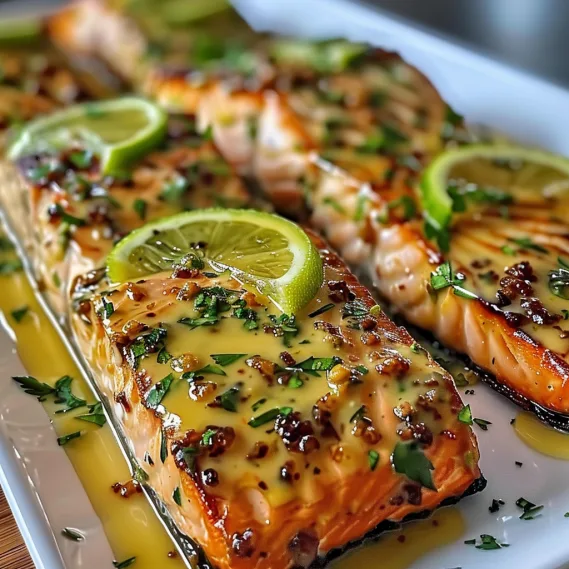
There’s something magical about the combination of sweet honey, tangy lime, and rich garlic butter that transforms ordinary salmon into an extraordinary culinary experience. This Honey-Lime Garlic Butter Baked Salmon recipe delivers restaurant-quality results right in your home kitchen. Whether you’re planning a romantic dinner for two or preparing a weeknight meal for the family, this dish combines simplicity with sophistication.
Selecting the Best Salmon for Baking
Fresh vs Frozen Considerations
When shopping for salmon, you’ll encounter both fresh and frozen options. Fresh salmon typically offers the best texture and flavor, especially if you live near coastal areas. However, don’t dismiss frozen salmon too quickly. Flash-frozen fish can be just as nutritious and flavorful as fresh, particularly if it was frozen immediately after being caught. In addition, frozen salmon provides more flexibility for meal planning since it can be stored for months.
Look for salmon with firm flesh and a fresh, ocean-like smell. If purchasing fresh, the flesh should spring back when pressed gently. For frozen varieties, ensure the packaging is intact without ice crystals, which can indicate thawing and refreezing. Wild-caught salmon generally has a more robust flavor, while farm-raised options tend to be fattier and milder.
Understanding Different Salmon Varieties
Several salmon varieties work wonderfully with this honey-lime garlic butter preparation. Atlantic salmon, the most common type in supermarkets, has a mild flavor and high fat content that stays moist during baking. Sockeye salmon offers a deeper red color and more pronounced flavor, perfect if you prefer bolder taste profiles.
Coho salmon provides a medium-flavored option that balances well with the sweet and tangy glaze. King salmon, also called Chinook, is the richest and fattiest variety, creating an incredibly luxurious dish. Ultimately, any variety will work beautifully in this recipe, so choose based on availability and personal preference.
Essential Preparation Techniques
Bringing Salmon to Room Temperature
Before you begin cooking, it’s crucial to let your salmon sit at room temperature for about 15-20 minutes. This simple step ensures even cooking throughout the fillet. Cold salmon placed directly in a hot oven will cook unevenly, with the exterior becoming overdone before the center reaches the proper temperature. Subsequently, this can result in dry edges and undercooked centers.
While the salmon rests, pat it completely dry with paper towels. Removing excess moisture helps the glaze adhere better and promotes beautiful caramelization. Additionally, this preparation time allows you to preheat your oven properly and prepare the honey-lime garlic butter sauce without rushing.
Creating the Perfect Glaze Consistency
The key to an exceptional glaze lies in properly combining the ingredients. Start by melting the butter gently; overheating can cause it to separate. Next, whisk in the honey until fully incorporated, creating a smooth base. Then add the fresh lime juice, minced garlic, and lime zest, stirring continuously to maintain a cohesive mixture.
The glaze should have a pourable consistency, similar to maple syrup. If it’s too thick, warm it slightly or add a teaspoon of water. Conversely, if it seems too thin, add a bit more honey. Remember that the glaze will thicken slightly as it bakes, creating that beautiful caramelized coating on your salmon.
Ingredients
| Ingredient | Quantity |
|---|---|
| Salmon fillets (skin-on or skinless) | 4 pieces (6 oz each) |
| Unsalted butter (melted) | 4 tablespoons |
| Honey | 3 tablespoons |
| Fresh lime juice | 2 tablespoons |
| Garlic cloves (minced) | 4 cloves |
| Fresh lime zest | 1 teaspoon |
| Soy sauce | 1 tablespoon |
| Black pepper | 1/2 teaspoon |
| Sea salt | 1/2 teaspoon |
| Red pepper flakes (optional) | 1/4 teaspoon |
| Fresh parsley (chopped) | 2 tablespoons |
| Lime wedges for serving | 4 pieces |
Step-by-Step Baking Instructions
Preparing Your Baking Setup
Begin by preheating your oven to 400°F (200°C). Meanwhile, line a baking sheet with parchment paper or aluminum foil for easy cleanup. Lightly grease the surface with cooking spray or a thin layer of oil to prevent sticking. Place the salmon fillets skin-side down on the prepared sheet, spacing them at least an inch apart to ensure even heat circulation.
Season the salmon lightly with salt and black pepper before applying the glaze. This base seasoning enhances the natural flavor of the fish. If you’re using red pepper flakes for a subtle kick, sprinkle them on at this stage as well. These preliminary steps set the foundation for perfectly baked salmon.
Applying the Glaze and Baking Process
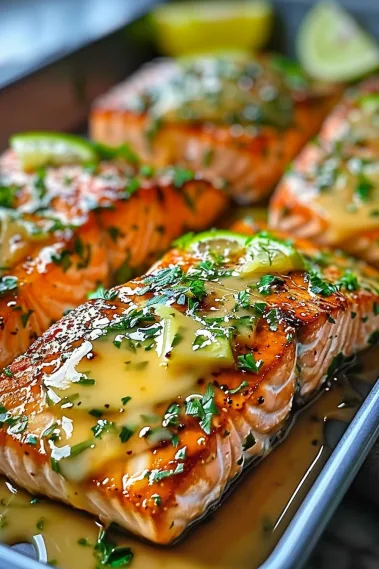
Generously brush the honey-lime garlic butter glaze over each salmon fillet, ensuring complete coverage. Reserve about one-third of the glaze for basting during cooking. Place the baking sheet in the preheated oven and bake for 12-15 minutes, depending on thickness. For fillets about one inch thick, 12 minutes typically suffices, while thicker cuts may need the full 15 minutes.
Halfway through baking, quickly open the oven and brush the salmon with more glaze. This additional layer intensifies the flavor and enhances the glossy finish. The salmon is done when it flakes easily with a fork and reaches an internal temperature of 145°F. Avoid overcooking, as salmon continues cooking slightly after being removed from the oven.
Serving Suggestions and Pairings
Complementary Side Dishes
This honey-lime garlic butter baked salmon pairs beautifully with numerous side dishes. Roasted asparagus drizzled with olive oil offers a crisp, earthy contrast to the rich salmon. Alternatively, garlic mashed potatoes provide comforting creaminess that soaks up the delicious glaze. For a lighter option, consider serving it over a bed of mixed greens with a citrus vinaigrette.
Quinoa pilaf with herbs makes an excellent grain-based accompaniment, adding protein and fiber to your meal. Steamed broccoli or green beans tossed with lemon butter echo the citrus notes in the salmon while adding vibrant color to your plate. Furthermore, coconut rice brings a subtle sweetness that complements the honey in the glaze wonderfully.
Presentation Tips for Special Occasions
When serving this dish for guests, presentation matters tremendously. Arrange the salmon fillets on a white platter to showcase their beautiful golden color. Garnish with fresh parsley and additional lime wedges for a restaurant-quality appearance. Drizzle any remaining glaze artistically around the plate for added visual appeal.
Consider adding edible flowers or microgreens for an elegant touch. If serving individually, plate each fillet with carefully arranged sides, creating height and dimension. The caramelized glaze provides a natural shine that photographs beautifully, making this dish Instagram-worthy as well as delicious.
Storage and Reheating Guidelines
Proper Storage Methods
Leftover salmon should be stored properly to maintain quality and safety. Allow the fish to cool to room temperature within two hours of cooking, then transfer it to an airtight container. Properly stored, cooked salmon stays fresh in the refrigerator for up to three days. For longer storage, you can freeze the salmon for up to two months, though texture may change slightly upon thawing.
When freezing, wrap each fillet individually in plastic wrap, then place in a freezer-safe bag. This method prevents freezer burn and allows you to thaw only what you need. Label containers with the date to track freshness. Never leave cooked salmon at room temperature for more than two hours to prevent bacterial growth.
Best Reheating Practices
Reheating salmon requires gentle heat to prevent drying out. The oven method works best: preheat to 275°F, place the salmon in a baking dish with a tablespoon of water or broth, cover tightly with foil, and heat for about 15 minutes. This low-and-slow approach keeps the fish moist and tender.
Alternatively, microwave reheating is faster but requires more attention. Place the salmon on a microwave-safe plate, cover with a damp paper towel, and heat in 30-second intervals until warmed through. For best results, slightly underheat and let it rest, as residual heat will finish warming it without overcooking. Cold leftover salmon also makes excellent salad topping or sandwich filling.
Common Mistakes to Avoid
Overcooking Issues
The most common mistake when preparing baked salmon is overcooking, which results in dry, tough fish. Salmon continues cooking after being removed from the oven due to residual heat, so it’s better to slightly undercook than overcook. The internal temperature should reach 145°F, but pulling it at 140°F and letting it rest achieves perfect doneness.
Watch for visual cues as well. The salmon should appear opaque throughout but still have a slightly translucent center when you gently flake it. If it looks completely opaque and begins separating into large flakes on its own, it’s likely overcooked. Using a reliable meat thermometer eliminates guesswork and ensures consistent results every time.
Glaze Application Errors
Another frequent mistake involves improper glaze application. Applying too much glaze initially can cause burning before the salmon finishes cooking. Instead, use a light first coat and add more during basting. Conversely, too little glaze won’t provide that signature caramelized finish or intense flavor.
Make sure your glaze is well-mixed before each application, as the honey tends to settle at the bottom. If the glaze seems to be burning on the edges, tent the salmon loosely with foil for the remaining cooking time. This protects the surface while allowing the fish to finish cooking through.
Frequently Asked Questions
Can I use bottled lime juice instead of fresh?
While fresh lime juice is strongly recommended for optimal flavor, bottled lime juice can work in a pinch. However, fresh lime juice provides brighter, more vibrant citrus notes that really make this dish shine.
How do I know when the salmon is perfectly cooked?
The best indicator is an internal temperature of 145°F measured at the thickest part of the fillet. Visually, the salmon should be opaque throughout with a slightly translucent center that flakes easily when tested with a fork.
Can I make this recipe with salmon fillets that have skin?
Absolutely! Skin-on salmon works wonderfully with this recipe. Place the fillets skin-side down on the baking sheet, and the skin will help hold the fish together during cooking. The skin also provides a barrier that helps keep moisture in the flesh.
What can I substitute for honey if I don’t have any?
Maple syrup makes an excellent substitute, offering similar sweetness with a slightly different flavor profile. Agave nectar works well too, though it’s less viscous and slightly sweeter than honey.
How can I adapt this recipe for meal prep?
This recipe is excellent for meal prep! Prepare the glaze in advance and store it in the refrigerator for up to five days. You can even portion individual salmon fillets in containers with the glaze, ready to bake when needed. Alternatively, bake all the salmon at once, then store portions in airtight containers.
Conclusion
This Honey-Lime Garlic Butter Baked Salmon represents the perfect intersection of simplicity, flavor, and nutrition. With its straightforward preparation method and minimal ingredients, you can create an impressive dish that rivals anything you’d order at a high-end restaurant. The combination of sweet honey, tangy lime, and savory garlic butter creates a flavor profile that appeals to virtually everyone, making it ideal for both everyday dinners and special occasions.
Print
Honey-Lime Garlic Butter Baked Salmon
- Total Time: 25 minutes
- Yield: 4 servings 1x
Description
Succulent baked salmon fillets glazed with a sweet and tangy honey-lime garlic butter sauce. This restaurant-quality dish comes together in just 30 minutes with simple ingredients.
Ingredients
- 4 salmon fillets (6 oz each), skin-on or skinless
- 4 tablespoons unsalted butter, melted
- 3 tablespoons honey
- 2 tablespoons fresh lime juice
- 4 cloves garlic, minced
- 1 teaspoon fresh lime zest
- 1 tablespoon soy sauce
- 1/2 teaspoon black pepper
- 1/2 teaspoon sea salt
- 1/4 teaspoon red pepper flakes (optional)
- 2 tablespoons fresh parsley, chopped
- 4 lime wedges for serving
Instructions
- 1. Preheat your oven to 400°F (200°C) and line a baking sheet with parchment paper or foil. Lightly grease the surface.
- 2. Remove salmon from the refrigerator and let it rest at room temperature for 15-20 minutes. Pat completely dry with paper towels.
- 3. In a small bowl, whisk together melted butter, honey, lime juice, minced garlic, lime zest, and soy sauce until well combined.
- 4. Place salmon fillets skin-side down on the prepared baking sheet, spacing them about an inch apart.
- 5. Season the salmon lightly with salt, black pepper, and red pepper flakes if using.
- 6. Brush about two-thirds of the glaze generously over the salmon fillets, reserving the remaining glaze for basting.
- 7. Bake for 12-15 minutes, depending on thickness. Halfway through, brush salmon with more glaze.
- 8. Salmon is done when it flakes easily with a fork and reaches an internal temperature of 145°F.
- 9. Remove from oven and let rest for 2-3 minutes. Garnish with fresh parsley and serve with lime wedges.
Notes
Store leftover salmon in an airtight container in the refrigerator for up to 3 days. Reheat gently in a 275°F oven covered with foil, or enjoy cold in salads. For best results, use fresh lime juice and avoid overcooking the salmon. The glaze can be prepared up to 5 days in advance and stored in the refrigerator.
- Prep Time: 10 minutes
- Cook Time: 15 minutes
- Category: Main Course
- Method: Baking
- Cuisine: American
Nutrition
- Serving Size: 1 fillet (6 oz)
- Calories: 385
- Sugar: 13g
- Sodium: 420mg
- Fat: 22g
- Carbohydrates: 14g
- Fiber: 0g
- Protein: 34g