When you’re looking for a foolproof weeknight dinner that doesn’t sacrifice flavor for simplicity, this Ina Garten boneless skinless chicken breasts recipe is your answer. The Barefoot Contessa has built her reputation on creating elegant yet approachable dishes, and this chicken recipe perfectly embodies her cooking philosophy.
Quality Ingredients Make All the Difference
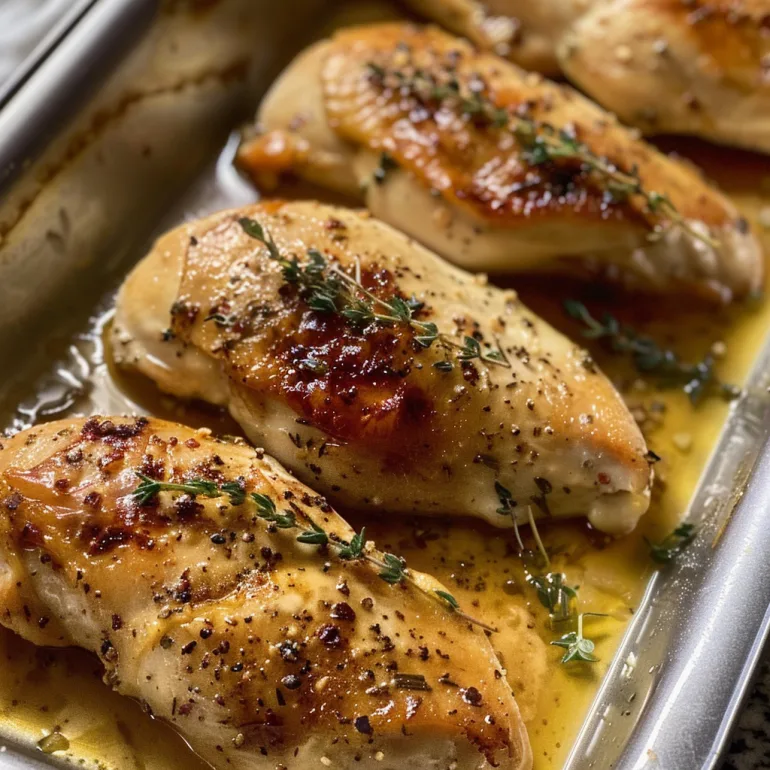
Another crucial factor in this recipe’s success lies in ingredient selection. Fresh herbs, particularly thyme, provide aromatic complexity that dried versions simply can’t match. Similarly, using good-quality olive oil and real butter rather than substitutes elevates the overall taste profile significantly. Likewise, fresh garlic brings a pungent sweetness that powdered garlic lacks entirely. In addition, choosing organic or free-range chicken breasts often results in better flavor and texture. Therefore, while you don’t need expensive ingredients, opting for fresh, high-quality components will noticeably improve your final dish.
Preparing Your Chicken for Cooking
Proper Trimming and Portioning
Before you begin cooking, take time to properly prepare your chicken breasts. First, remove any excess fat or tough tendons using a sharp knife, as these can create unpleasant textures in the finished dish. Next, check if your chicken breasts are relatively uniform in thickness throughout. If they’re noticeably thicker on one end, gently pound them to an even thickness using a meat mallet. This step ensures even cooking, preventing the thinner sections from drying out while waiting for the thicker parts to finish. Subsequently, pat the chicken completely dry with paper towels, since moisture on the surface prevents proper browning and creates steam instead of that desirable golden crust.
Seasoning Strategy for Maximum Flavor
Seasoning isn’t just about sprinkling salt and pepper right before cooking. Instead, consider letting your seasoned chicken rest for at least thirty minutes at room temperature before hitting the pan. This technique allows the salt to penetrate deeper into the meat, seasoning it throughout rather than just on the surface. Meanwhile, the chicken coming to room temperature means more even cooking when it finally meets the heat. Additionally, mixing your seasonings with olive oil creates a paste that adheres better to the meat and helps develop that gorgeous golden-brown crust. As a result, you’ll achieve restaurant-quality seasoning penetration without any special equipment.
Ingredients
| Ingredient | Quantity |
|---|---|
| Boneless skinless chicken breasts | 4 pieces (6-8 oz each) |
| Olive oil | 3 tablespoons |
| Fresh lemon juice | 2 tablespoons |
| Garlic cloves, minced | 4 cloves |
| Fresh thyme leaves | 1 tablespoon |
| Kosher salt | 2 teaspoons |
| Freshly ground black pepper | 1 teaspoon |
| Unsalted butter | 2 tablespoons |
| White wine | 1/4 cup |
| Chicken stock | 1/2 cup |
Step-by-Step Cooking Instructions
Achieving the Perfect Sear
Heat a large skillet over medium-high heat until it’s properly hot but not smoking. Then, add your olive oil and let it shimmer before carefully placing the chicken breasts in the pan. Resist the temptation to move them around; instead, let them cook undisturbed for approximately five to six minutes. During this time, the proteins on the surface will form a beautiful golden-brown crust. Afterward, flip the chicken once and continue cooking for another five to six minutes on the second side. Meanwhile, use this opportunity to check the internal temperature with a meat thermometer. When it reaches 160 degrees Fahrenheit, remove the chicken from heat, as carryover cooking will bring it to the safe 165 degrees while resting.
Creating a Pan Sauce
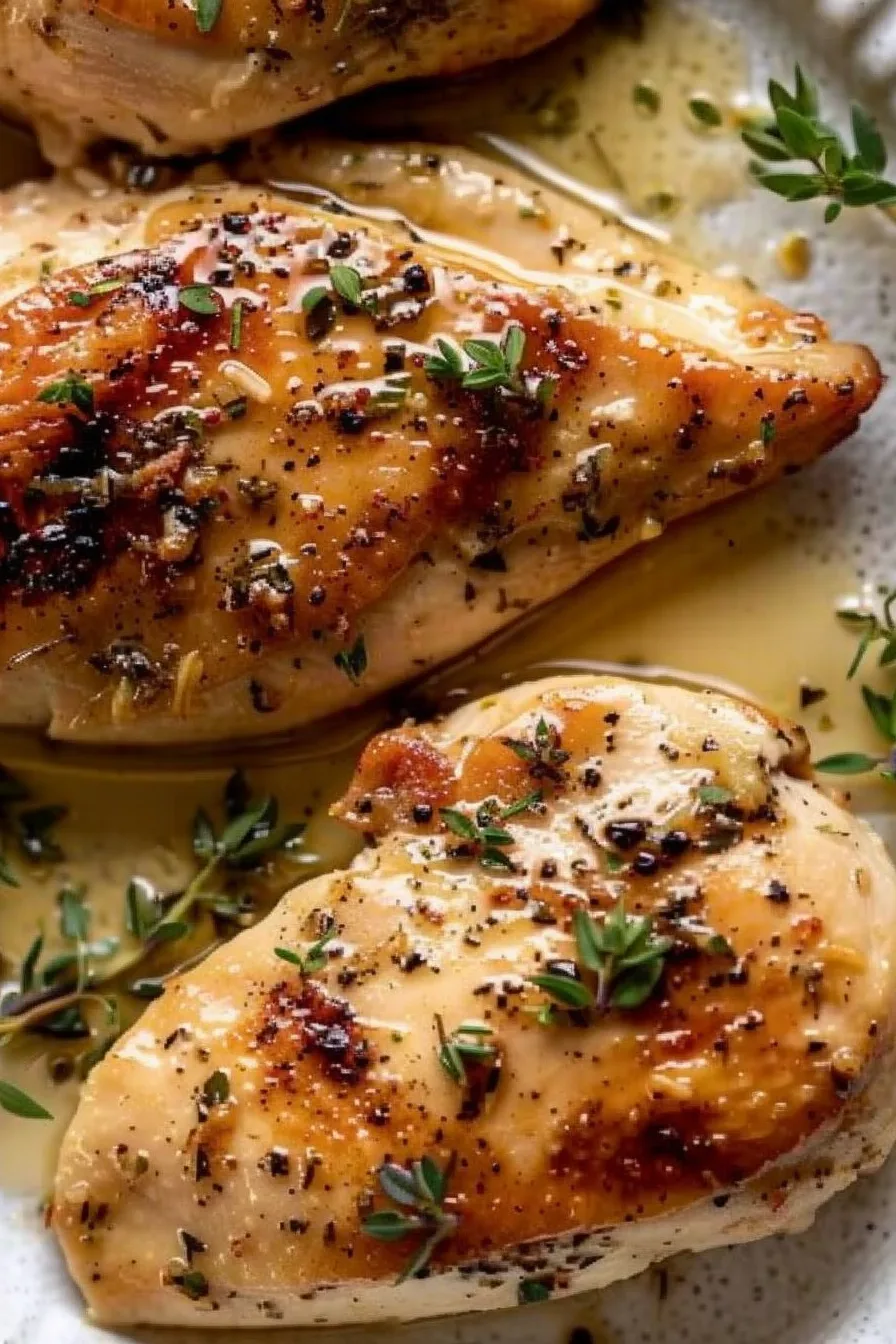
Once you’ve removed the chicken to rest, don’t discard those flavorful brown bits stuck to your pan. Rather, reduce the heat to medium and add your minced garlic, cooking until fragrant but not browned. Next, deglaze the pan with white wine, scraping up all those delicious caramelized pieces. Then, add chicken stock and let the mixture reduce by half, concentrating the flavors beautifully. Finally, swirl in cold butter off the heat to create a silky, restaurant-style sauce. Pour this luxurious sauce over your rested chicken breasts just before serving. Indeed, this simple pan sauce transforms an everyday protein into something truly special.
Common Mistakes to Avoid
Temperature-Related Errors
One of the most frequent mistakes home cooks make involves cooking chicken at excessively high temperatures. While high heat seems like it would cook the chicken faster, it actually leads to a burnt exterior and raw interior. Instead, medium-high heat allows for proper browning while cooking the meat through evenly. Similarly, skipping the meat thermometer often results in overcooked, dry chicken. Therefore, invest in an instant-read thermometer and use it consistently. Furthermore, cutting into the chicken immediately after cooking releases all those precious juices onto the cutting board rather than staying in the meat where they belong. Consequently, always allow at least five minutes of resting time before slicing.
Overcrowding and Moisture Issues
Another critical error involves overcrowding the pan with too many chicken breasts at once. When pieces touch each other or don’t have adequate space around them, they steam rather than sear. This creates a pale, rubbery exterior instead of the desirable golden crust. Additionally, cooking chicken straight from the refrigerator shocks the pan’s temperature, preventing proper browning. Likewise, failing to dry the chicken thoroughly before cooking introduces excess moisture that inhibits crust formation. Moreover, flipping the chicken multiple times disrupts crust development and can tear the delicate surface. As a result, patience and proper technique matter more than rushing through the cooking process.
Serving Suggestions and Pairings
Complementary Side Dishes
This versatile chicken pairs beautifully with countless side dishes across various cuisines. For instance, roasted vegetables like Brussels sprouts, carrots, or asparagus complement the savory chicken perfectly. Alternatively, creamy mashed potatoes or buttery rice pilaf soak up the delicious pan sauce wonderfully. Meanwhile, a crisp green salad with lemon vinaigrette provides a refreshing contrast to the rich chicken. Additionally, crusty bread serves as an excellent vehicle for mopping up every last drop of that incredible sauce. Furthermore, seasonal vegetables like summer squash or winter root vegetables can be roasted alongside the chicken for a complete one-pan meal. Ultimately, the simplicity of this dish makes it adaptable to whatever sides you prefer.
Wine and Beverage Pairings
Choosing the right beverage elevates your dining experience significantly. Generally, white wines work exceptionally well with this preparation, particularly Chardonnay or Sauvignon Blanc. These wines echo the flavors used in the pan sauce while providing refreshing acidity. Conversely, if you prefer red wine, opt for lighter varieties like Pinot Noir rather than heavy Cabernets. Similarly, sparkling water with lemon complements the dish nicely for non-alcoholic options. In addition, herbal iced tea or lemonade works wonderfully for casual family dinners. Meanwhile, craft beer enthusiasts might enjoy a crisp pilsner or wheat beer alongside this meal. Therefore, don’t hesitate to experiment with different pairings based on your personal preferences and occasion.
Storage and Meal Prep Tips
Proper Refrigeration Techniques
Storing leftover chicken properly ensures food safety and maintains quality for future meals. First, allow the cooked chicken to cool to room temperature within two hours of cooking. Then, transfer it to an airtight container, separating any sauce into a different container if possible. Refrigerated properly, this chicken stays fresh for three to four days, making it perfect for meal prepping. Subsequently, when reheating, add a splash of chicken stock or water to prevent drying out. Furthermore, gentle reheating in the oven at 350 degrees works better than microwaving, which can create rubbery textures. Additionally, sliced leftover chicken makes excellent sandwich filling, salad topping, or pasta addition throughout the week.
Freezing for Long-Term Storage
For longer storage, freezing cooked chicken extends its usability significantly. Wrap each piece individually in plastic wrap, then place them together in a freezer-safe bag, removing as much air as possible. Properly frozen, this chicken maintains quality for up to three months. However, freeze the pan sauce separately, as it may separate slightly upon thawing but will reconstitute when gently reheated. When you’re ready to use frozen chicken, thaw it overnight in the refrigerator rather than at room temperature for food safety. Afterward, reheat gently in the oven or stovetop with additional liquid to restore moisture. Consequently, making a double batch for freezing provides convenient protein options for busy weeknights ahead.
Frequently Asked Questions
How do I prevent boneless skinless chicken breasts from drying out?
The key to juicy chicken breasts lies in proper temperature control and not overcooking. Use a meat thermometer to remove the chicken when it reaches 160 degrees Fahrenheit internally, as it will continue cooking to 165 degrees while resting. Additionally, letting the meat rest for five to ten minutes before cutting allows juices to redistribute throughout the meat.
Can I use frozen chicken breasts for this recipe?
While fresh chicken produces optimal results, you can certainly use properly thawed frozen chicken breasts. However, never cook chicken directly from frozen, as this results in uneven cooking with a raw interior and overcooked exterior.
What’s the best way to reheat leftover chicken without making it dry?
Reheating in the oven at 350 degrees Fahrenheit works best for maintaining moisture and texture. Place the chicken in an oven-safe dish, add a few tablespoons of chicken stock or water, cover with foil, and heat for about fifteen to twenty minutes until warmed through.
How can I tell when the chicken is fully cooked without a thermometer?
While a meat thermometer provides the most accurate results, you can check doneness by cutting into the thickest part of the breast.
Why does my chicken stick to the pan even when I use oil?
Chicken sticks to the pan for several reasons, most commonly because the pan isn’t hot enough before adding the meat or the chicken is too wet. Ensure your pan reaches proper temperature before adding oil and chicken, and always pat chicken completely dry with paper towels.
Conclusion
Mastering this Ina Garten boneless skinless chicken breasts recipe opens up a world of weeknight dinner possibilities. Through proper technique, quality ingredients, and attention to detail, you’ll consistently produce tender, flavorful chicken that rivals restaurant preparations. Remember that patience during cooking, accurate temperature monitoring, and adequate resting time make all the difference between mediocre and exceptional results.
Print
Ina Garten Boneless Skinless Chicken Breasts Recipe
- Total Time: 35 minutes
- Yield: 4 servings
Description
Perfectly seared and juicy chicken breasts with a luxurious pan sauce, inspired by Ina Garten’s foolproof technique for tender, flavorful results every time.
Ingredients
- Boneless skinless chicken breasts – 4 pieces (6-8 oz each)
- Olive oil – 3 tablespoons
- Fresh lemon juice – 2 tablespoons
- Garlic cloves, minced – 4 cloves
- Fresh thyme leaves – 1 tablespoon
- Kosher salt – 2 teaspoons
- Freshly ground black pepper – 1 teaspoon
- Unsalted butter – 2 tablespoons
- White wine – 1/4 cup
- Chicken stock – 1/2 cup
Instructions
- 1. Pat chicken breasts completely dry with paper towels and season generously with salt, pepper, and fresh thyme. Let rest at room temperature for 30 minutes.
- 2. Heat olive oil in a large skillet over medium-high heat until shimmering.
- 3. Place chicken breasts in the pan without overcrowding and cook undisturbed for 5-6 minutes until golden brown.
- 4. Flip chicken and continue cooking for another 5-6 minutes until internal temperature reaches 160°F.
- 5. Remove chicken to a plate and tent with foil to rest.
- 6. Reduce heat to medium, add minced garlic to the pan and cook for 30 seconds until fragrant.
- 7. Deglaze pan with white wine, scraping up browned bits, then add chicken stock.
- 8. Let sauce reduce by half, about 3-4 minutes, then remove from heat and swirl in cold butter.
- 9. Drizzle lemon juice over rested chicken, pour pan sauce over top, and serve immediately.
Notes
Store leftover chicken in an airtight container in the refrigerator for up to 4 days. Reheat gently in the oven at 350°F with a splash of chicken stock. Chicken can be frozen for up to 3 months when wrapped tightly. Serve with roasted vegetables, mashed potatoes, or a fresh green salad.
- Prep Time: 15 minutes
- Cook Time: 20 minutes
- Category: Main Course
- Method: Pan-Seared
- Cuisine: American
Nutrition
- Serving Size: 1 chicken breast
- Calories: 285
- Sugar: 1g
- Sodium: 620mg
- Fat: 11g
- Carbohydrates: 3g
- Fiber: 0g
- Protein: 42g