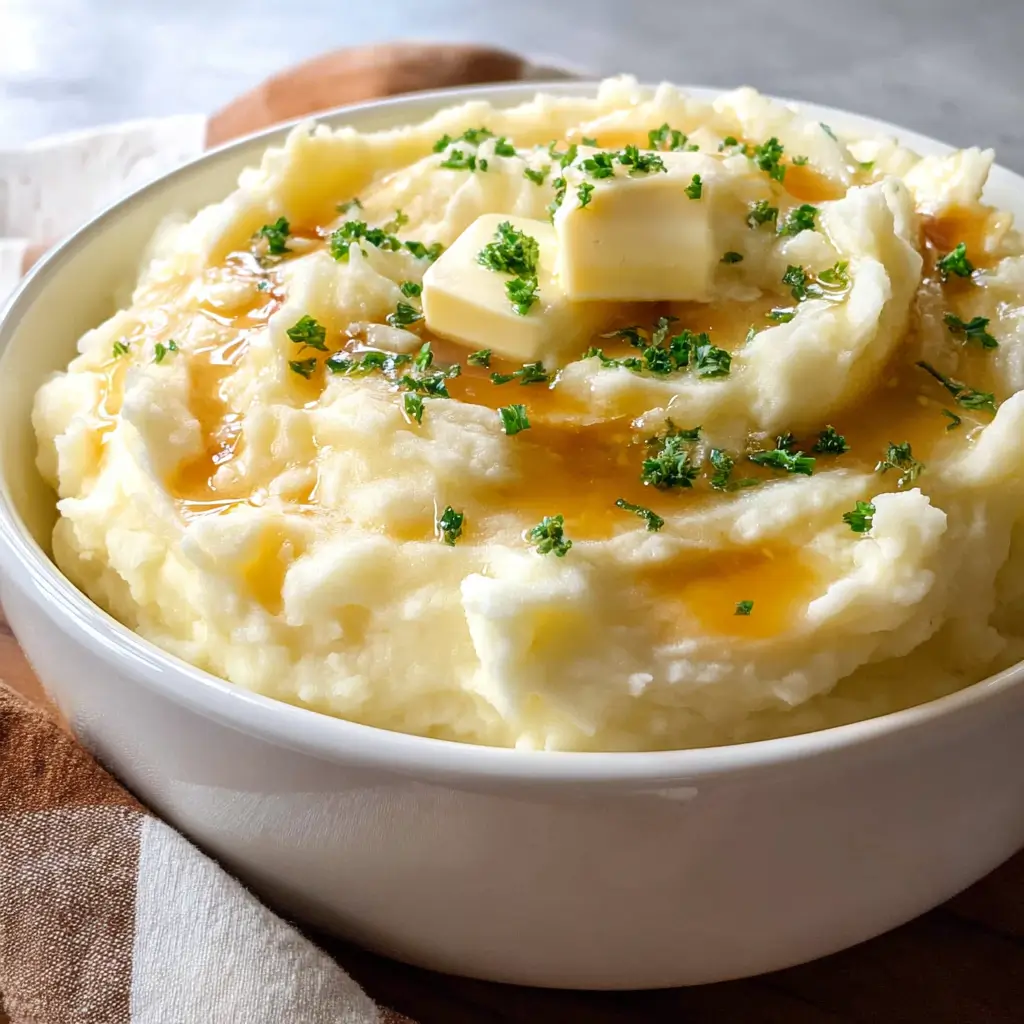
When you think of comfort food, mashed potatoes are likely near the top of the list. They’re rich, creamy, and the ultimate crowd-pleaser. Whether you’re preparing a weeknight dinner, a holiday feast, or simply craving something warm and filling, mashed potatoes are the perfect side dish to bring it all together. What makes a “best mashed potatoes” recipe, though? It’s not just about boiling potatoes and mashing them together with some butter. It’s about finding the right potatoes, using the right ingredients, and employing a few simple techniques that elevate this humble dish into something extraordinary.
What Makes the Best Potatoes for Mashed Potatoes?
Potatoes fall into three categories based on their starch content: waxy, all-purpose, and starchy. The key to a perfect mashed potato lies in using the right type of potato. Let’s break down the differences:
- Starchy Potatoes (Best for Mashing): These potatoes are your best friend when it comes to mashed potatoes. They have a high starch content, which helps create that fluffy, smooth texture we all crave. The Russet potato is the star here, often preferred for mashed potatoes because it yields a light, fluffy result when cooked.
- All-Purpose Potatoes: If you can’t find Russets, Yukon Gold potatoes are a great alternative. They’re a bit creamier and have a buttery flavor, making them perfect for a silky smooth mash.
- Waxy Potatoes (Avoid for Mashing): Potatoes like Red potatoes or New potatoes fall into this category. They have less starch and more moisture, which results in a denser, slightly sticky mash. These potatoes are better for dishes like potato salad, but they aren’t ideal for fluffy mashed potatoes.
Ingredients for the Best Mashed Potatoes
Now that we’ve chosen our potatoes, let’s look at the other ingredients you’ll need to bring everything together. The beauty of mashed potatoes is in the simplicity of the ingredients. We’re talking about butter, cream, and just a few other key items to take your mashed potatoes to the next level.
| Ingredient | Amount | Purpose |
|---|---|---|
| Potatoes (Yukon Gold or Russet) | 2 pounds | The base of your mashed potatoes, ensuring creaminess and fluffiness. |
| Salt | 1 teaspoon | Enhances the natural flavor of the potatoes. |
| Unsalted Butter | 1/2 cup (1 stick) | Adds richness and a smooth texture. |
| Whole Milk (or 2%) | 3/4 cup | Provides creaminess and helps mash the potatoes to a smooth consistency. |
| Sour Cream (optional) | 1/4 cup | Adds tang and extra flavor depth. (Optional for extra creaminess) |
| Freshly Ground Black Pepper | 1/4 teaspoon | Adds a mild warmth and depth to the flavor. |
| Fresh Chives (optional) | 1 tablespoon | Adds a pop of color and a subtle onion flavor. |
How to Cook the Potatoes for the Perfect Mash
Cooking the potatoes correctly is crucial to achieving the right texture. Overcooking or undercooking can lead to lumpy or watery mashed potatoes, so it’s important to pay attention to the cooking process. Here’s how to do it:
Step 1: Prepare the Potatoes
Start by washing and peeling the potatoes. If you prefer,into even-sized chunks—this ensures they cook evenly. Aim for pieces about 1 to 2 inches in size.
Step 2: Boil the Potatoes
Place the potato chunks into a large pot and cover them with cold water. Add a pinch of salt to the water—this will season the potatoes as they cook. Bring the pot to a boil over medium-high heat, then reduce the heat to a simmer. Let the potatoes cook for about 15-20 minutes, or until they are fork-tender. You can test this by poking a fork into a potato chunk—it should slide through easily with no resistance.
Step 3: Drain and Dry the Potatoes
Once your potatoes are tender, carefully drain them in a colander. Let them sit for a minute to steam off any excess water. To get an extra smooth mash, return the drained potatoes to the warm pot and let them dry for another minute over low heat, stirring occasionally. This helps remove any residual moisture that could make your mash too watery.
Mashing Techniques for the Best Mashed Potatoes
The next step is all about the technique. How you mash your potatoes can make all the difference between a lumpy, grainy mash and a smooth, creamy one. There are a few ways you can mash your potatoes—let’s look at the best methods.
Best Tools for Mashing Potatoes
- Potato Masher: The classic choice. It’s great for a slightly textured mash with some lumps. If you like a more rustic mashed potato, a masher will give you the best control.
- Potato Ricer: If you want a perfectly smooth, silky mash with no lumps, a potato ricer is the way to go. It pushes the potatoes through small holes, creating an incredibly fine texture.
- Stand Mixer or Handheld Electric Mixer: For a quick, fluffy result, a stand mixer or hand mixer will give you the airiest mashed potatoes. However, be careful not to overbeat the potatoes—doing so can make them gummy.
Mashing Process
Start by adding your butter to the potatoes while they’re still hot—this allows the butter to melt evenly into the potatoes. Use your chosen mashing tool and begin mashing the potatoes until you achieve your desired consistency. Once mashed, slowly pour in your milk (or cream) and continue to mash or stir until the potatoes are smooth and creamy.
Tip: Adjust the Creaminess
If your mashed potatoes need a little more creaminess, add more butter or milk, one tablespoon at a time, until you reach the desired texture. Remember, mashed potatoes should be creamy but not runny, so adjust accordingly!
Adding Flavor to Your Mashed Potatoes
Now that you have your mashed potatoes, it’s time to add some extra flavor. While butter and milk are classic ingredients, there are a few simple additions that can elevate your mashed potatoes to the next level.
Add Garlic for a Rich, Savory Flavor
For garlic mashed potatoes, you can roast a few cloves of garlic in the oven or sauté them in butter until soft and fragrant. Mash the garlic along with your potatoes for a creamy, savory punch.
Cheese, Please!
If you’re a fan of cheesy mashed potatoes, consider stirring in some freshly grated cheddar, Parmesan, or even cream cheese. For an extra decadent touch, try adding some sour cream along with the cheese for a tangy bite.
Herbs and Seasonings
Fresh herbs like chives, parsley, or thyme can bring a fresh burst of flavor and color to your mashed potatoes. You can also experiment with other seasonings like smoked paprika, rosemary, or even a pinch of cayenne pepper for a little heat.
Print
best mashed potatoes
- Total Time: 30 mins
Description
These mashed potatoes are creamy, fluffy, and perfect for any meal. Using the right potatoes, a little butter, and some simple seasonings, you’ll create a side dish that’s sure to steal the show.
Ingredients
- 2 pounds Yukon Gold or Russet potatoes, peeled and cut into chunks
- 1/2 cup unsalted butter
- 3/4 cup whole milk
- 1/4 cup sour cream (optional)
- 1 teaspoon salt
- 1/4 teaspoon freshly ground black pepper
- 1 tablespoon chopped fresh chives (optional)
Instructions
- Place potatoes in a large pot and cover with cold water. Add a pinch of salt and bring to a boil.
- Simmer for 15-20 minutes until tender.
- Drain potatoes and return to the pot. Let them sit for a minute to steam.
- Mash the potatoes with a potato masher or ricer.
- Stir in the butter, milk, and sour cream (if using). Season with salt and pepper.
- Garnish with fresh chives and serve warm.
Notes
- For extra flavor, you can add roasted garlic, cheese, or herbs to your mashed potatoes. These can be made ahead and reheated for a busy weeknight meal.
- Prep Time: 10 mins
- Cook Time: 20 mins
Nutrition
- Serving Size: 1 cup
Common Mistakes to Avoid When Making Mashed Potatoes
To ensure your mashed potatoes turn out perfect every time, here are a few mistakes to avoid:
- Overcooking the Potatoes: Overcooked potatoes can become mushy and waterlogged, resulting in a less-than-ideal mash. Keep an eye on the cooking time and check for doneness by testing with a fork.
- Under-seasoning: Don’t forget to season your potatoes as they cook and during mashing. A pinch of salt in the cooking water and more as you mash is key to bringing out the flavor of the potatoes.
- Using Cold Butter and Milk: Cold ingredients can cool down your potatoes and prevent them from achieving the smooth, creamy texture you want. Always use warm or room-temperature butter and milk when mashing.
- Overmixing: While a stand mixer or hand mixer can make the job quicker, overmixing can cause the potatoes to become gummy. Stick to mashing until smooth, then fold in the butter and milk for the best texture.
FAQ About best mashed potatoes
1. Can I make mashed potatoes ahead of time?
Yes! You can prepare mashed potatoes a day ahead and store them in the refrigerator. Just reheat them with a bit of milk or cream to bring them back to their creamy texture.
2. What’s the best way to reheat mashed potatoes?
To reheat mashed potatoes, you can either microwave them or warm them in a saucepan over low heat. Add a little extra butter or milk as you heat them to ensure they don’t dry out.
3. How do I make mashed potatoes dairy-free?
For a dairy-free version, swap the butter and milk with plant-based alternatives like vegan butter and almond milk or coconut milk. You can also use vegetable broth for extra flavor.
4. How do I keep mashed potatoes warm for a party or holiday meal?
To keep mashed potatoes warm, place them in a slow cooker on the “keep warm” setting, or cover the bowl tightly with foil and place it in an oven set to a low temperature (around 200°F).
Conclusion
There you have it—the ultimate guide to making the best mashed potatoes! With a few simple ingredients and the right techniques, you can create a creamy, fluffy mash that will be the star of any meal. Whether you’re serving them for a holiday dinner, a family gathering, or just a cozy weeknight meal, these mashed potatoes will surely impress. Don’t forget to experiment with flavors and toppings to make them your own. Now go ahead, grab your potatoes, and get mashing!