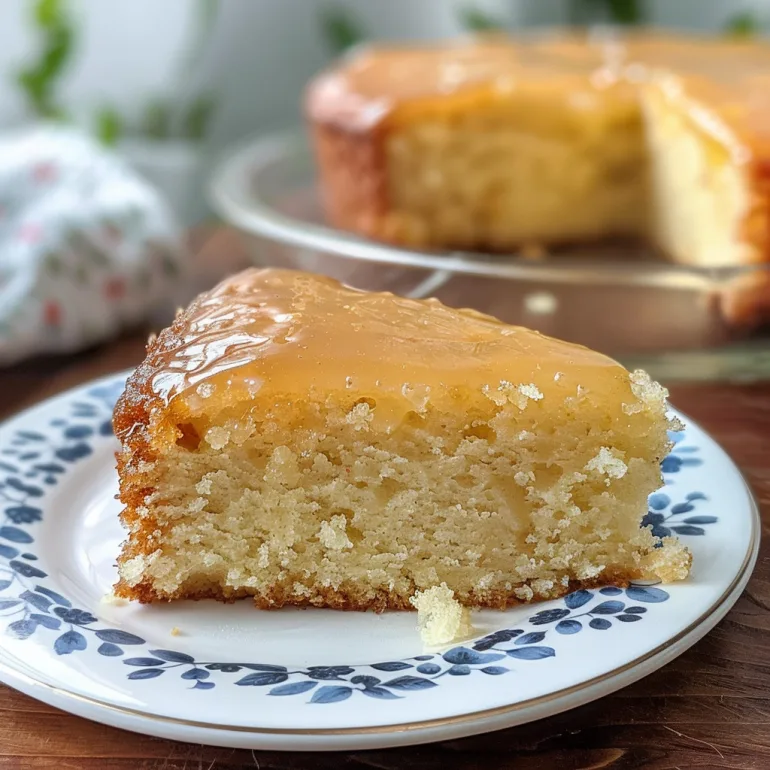
There’s something magical about slicing into a perfectly baked Moist Vanilla Buttermilk Cake that makes every celebration feel special. This classic dessert combines the tender crumb of buttermilk with the sweet simplicity of vanilla, creating a cake that’s both comforting and elegant. Whether you’re planning a birthday party, hosting a dinner gathering, or simply craving something sweet, this recipe delivers consistent, bakery-quality results every single time.
Essential Equipment and Preparation Techniques
Choosing the Right Baking Pans
Your choice of baking pan significantly impacts the outcome of your vanilla buttermilk cake. Two 9-inch round pans work perfectly for creating a classic layered cake, while a 9×13-inch rectangular pan produces a sheet cake ideal for casual gatherings. Meanwhile, aluminum pans conduct heat evenly, preventing hot spots that cause uneven baking. Always prepare your pans by greasing them thoroughly with butter and dusting with flour, or use parchment paper circles on the bottom for foolproof release. This preparation step prevents heartbreak when it’s time to unmold your beautiful creation.
Room Temperature Ingredients Matter
Bringing ingredients to room temperature isn’t just a suggestion but rather a crucial step for success. Cold butter won’t cream properly with sugar, resulting in a dense cake instead of a fluffy one. Similarly, cold eggs don’t emulsify well with the batter, creating an inconsistent texture throughout your cake. Therefore, plan ahead by removing butter, eggs, buttermilk, and sour cream from the refrigerator at least 30 minutes before baking. This simple step ensures all ingredients blend seamlessly, creating that signature tender crumb everyone loves.
Ingredients
| Ingredient | Quantity |
|---|---|
| All-purpose flour | 3 cups |
| Granulated sugar | 2 cups |
| Unsalted butter (softened) | 1 cup |
| Large eggs | 4 |
| Buttermilk | 1 cup |
| Pure vanilla extract | 2 teaspoons |
| Baking powder | 2 teaspoons |
| Baking soda | 1/2 teaspoon |
| Salt | 1/2 teaspoon |
| Sour cream | 1/2 cup |
Step-by-Step Mixing Methods for Perfect Results
Creaming Butter and Sugar to Perfection
The creaming process forms the foundation of an exceptional Moist Vanilla Buttermilk Cake. Beat softened butter and sugar together for at least 3-4 minutes until the mixture becomes pale, fluffy, and nearly doubles in volume. This process incorporates air into the batter, which translates to a lighter texture in your finished cake. Furthermore, properly creamed butter and sugar create tiny air pockets that expand during baking, giving your cake its characteristic rise and tender structure. Don’t rush this step because patience here pays dividends in texture and overall quality.
Alternating Wet and Dry Ingredients
Once you’ve creamed the butter and sugar, add eggs one at a time, beating well after each addition. Then comes the crucial alternating method where you add flour mixture and buttermilk in three additions. Start and end with the flour mixture to prevent the batter from becoming too wet or curdling. Mix each addition just until combined because overmixing develops gluten, making your cake tough instead of tender. This technique ensures even distribution of ingredients while maintaining that coveted light texture that defines a perfect buttermilk cake.
Baking Temperature and Timing Guidelines
Oven Calibration and Positioning
Accurate oven temperature makes the difference between a perfectly moist cake and a dried-out disappointment. Invest in an oven thermometer to verify your oven’s actual temperature since many ovens run hot or cold by 25 degrees or more. Position your oven rack in the center position to ensure even heat circulation around your cake pans. Preheat your oven to 350 degrees Fahrenheit for at least 15 minutes before baking, allowing the temperature to stabilize completely. This consistency prevents sudden temperature fluctuations that cause cakes to sink or bake unevenly.
Testing for Perfect Doneness
Determining when your vanilla buttermilk cake is perfectly baked requires multiple indicators working together. The cake should pull slightly away from the pan edges and spring back when gently pressed in the center. Insert a toothpick into the middle of the cake and it should come out with just a few moist crumbs, not wet batter. Typically, round pans require 28-32 minutes while sheet pans need 35-40 minutes at 350 degrees. However, every oven behaves differently, so start checking at the minimum time to prevent overbaking.
Cooling and Frosting Strategies
Proper Cooling Prevents Structural Issues
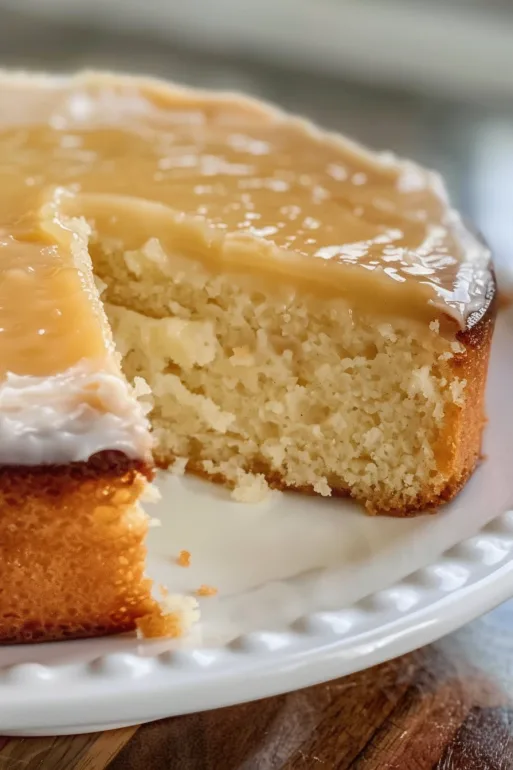
Patience during the cooling process preserves your cake’s structure and prevents crumbling disasters. Let cakes rest in their pans for exactly 10-15 minutes after removing them from the oven. This resting period allows the structure to set while the residual heat continues the cooking process gently. Afterward, run a knife around the edges and invert onto cooling racks to prevent sogginess from trapped steam. Allow the layers to cool completely for at least 2 hours before frosting because warm cake causes buttercream to melt and slide off.
Classic Frosting Pairings
While this Moist Vanilla Buttermilk Cake tastes delicious with any frosting, certain combinations elevate it to extraordinary heights. Classic vanilla buttercream complements the cake’s subtle flavor without overwhelming it, creating a harmonious vanilla-on-vanilla experience. Alternatively, cream cheese frosting adds a tangy contrast that balances the cake’s sweetness beautifully. Chocolate buttercream transforms this into a sophisticated vanilla-chocolate combination that pleases crowds. Whatever frosting you choose, ensure it’s spreadable but not too soft, and apply a thin crumb coat first to seal in any loose crumbs.
Troubleshooting Common Baking Problems
Preventing Dense or Dry Texture
A dense cake usually results from overmixing the batter after adding flour or using expired leavening agents. Mix just until ingredients combine and no flour streaks remain visible. Check expiration dates on baking powder and baking soda because they lose potency over time, preventing proper rise. Conversely, dry cake often comes from overbaking or incorrect measurements, especially too much flour. Measure flour by spooning it into measuring cups and leveling off rather than scooping directly from the bag, which compacts it and adds excess flour.
Addressing Sunken Centers and Uneven Tops
Cakes sink in the middle when oven temperature runs too high initially, causing rapid rise and collapse. They also sink if you open the oven door too early, releasing essential heat before the structure sets. Wait at least 20 minutes before checking on your cake’s progress. Domed or uneven tops occur when oven temperature is inconsistent or pans aren’t properly positioned. Use those flat cake strips soaked in water and wrapped around pans to promote even baking and level tops, making assembly and frosting much easier.
Creative Variations and Flavor Enhancements
Adding Mix-ins and Extracts
Transform your basic vanilla buttermilk cake into countless variations with simple additions. Fold in fresh berries, chocolate chips, or citrus zest after mixing the batter for bursts of complementary flavor. Replace half the vanilla extract with almond extract for a more complex flavor profile. Add a tablespoon of espresso powder to enhance the vanilla flavor without making it taste like coffee. These modifications maintain the cake’s signature moisture while introducing new taste dimensions that keep your dessert repertoire exciting and fresh.
Seasonal and Holiday Adaptations
Adapt this versatile recipe throughout the year by incorporating seasonal elements that make each occasion special. During fall, add warm spices like cinnamon and nutmeg along with diced apples. Winter holidays call for peppermint extract and crushed candy canes folded into the batter. Spring welcomes lemon zest and fresh lavender for a light, floral variation. Summer begs for fresh peaches or strawberries layered between cake rounds. These adaptations prove this fundamental recipe serves as a blank canvas for your creativity and seasonal preferences.
Storage Methods and Make-Ahead Options
Proper Storage for Maximum Freshness
Unfrosted cake layers wrapped tightly in plastic wrap stay fresh at room temperature for 2 days or refrigerated for up to 5 days. Frosted cakes should be stored in airtight containers at room temperature for 2-3 days or refrigerated for up to a week. Bring refrigerated cake to room temperature 30 minutes before serving for the best texture and flavor. The buttermilk’s acidity acts as a natural preservative, helping this cake maintain its moisture longer than many other cake varieties. Never store cake uncovered because it quickly dries out and absorbs refrigerator odors.
Freezing for Future Celebrations
Freezing this Moist Vanilla Buttermilk Cake extends its life up to three months without sacrificing quality. Wrap unfrosted layers individually in plastic wrap, then aluminum foil, before freezing. Thaw frozen layers overnight in the refrigerator while still wrapped to prevent condensation from making them soggy. You can also freeze frosted cakes by placing them in the freezer uncovered until the frosting firms up, then wrapping them securely. This method ensures you always have dessert ready for unexpected guests or spontaneous celebrations without compromising on homemade quality.
Frequently Asked Questions
Can I substitute regular milk for buttermilk in this recipe?
While you can create a buttermilk substitute by adding 1 tablespoon of lemon juice or white vinegar to 1 cup of regular milk and letting it sit for 5 minutes, genuine buttermilk produces superior results.
Why did my cake turn out dense instead of light and fluffy?
Dense cake typically results from overmixing the batter after adding flour, which develops excess gluten and creates a tough texture.
How do I know when my buttermilk cake is perfectly baked?
A perfectly baked cake exhibits several signs simultaneously. The edges pull slightly away from the pan sides, the top springs back when gently pressed, and a toothpick inserted in the center emerges with a few moist crumbs but no wet batter.
Can I make this recipe into cupcakes instead of a layer cake?
Absolutely, this batter converts beautifully into cupcakes. Fill standard cupcake liners two-thirds full and bake at 350 degrees Fahrenheit for 18-22 minutes.
What’s the best way to achieve perfectly level cake layers?
Several techniques help create level layers. Use cake strips soaked in water and wrapped around your pans to insulate the edges and promote even rising.
Conclusion
Mastering this Moist Vanilla Buttermilk Cake recipe opens doors to countless baking possibilities and guaranteed crowd-pleasing results. The combination of tangy buttermilk, quality vanilla, and proper technique creates a tender, flavorful cake that stands alone or serves as the foundation for creative variations.
Print
Moist Vanilla Buttermilk Cake
- Total Time: 52 minutes
- Yield: 12 servings 1x
Description
A tender, flavorful vanilla cake made with buttermilk for an incredibly moist crumb and classic taste that’s perfect for any celebration or everyday indulgence.
Ingredients
- 3 cups all-purpose flour
- 2 cups granulated sugar
- 1 cup unsalted butter, softened
- 4 large eggs
- 1 cup buttermilk
- 2 teaspoons pure vanilla extract
- 2 teaspoons baking powder
- 1/2 teaspoon baking soda
- 1/2 teaspoon salt
- 1/2 cup sour cream
Instructions
- 1. Preheat oven to 350°F. Grease and flour two 9-inch round cake pans or line with parchment paper.
- 2. In a medium bowl, whisk together flour, baking powder, baking soda, and salt. Set aside.
- 3. In a large mixing bowl, cream softened butter and sugar together for 3-4 minutes until light and fluffy.
- 4. Add eggs one at a time, beating well after each addition. Mix in vanilla extract and sour cream until combined.
- 5. Alternately add flour mixture and buttermilk to the butter mixture in three additions, beginning and ending with flour. Mix just until combined after each addition.
- 6. Divide batter evenly between prepared pans and smooth the tops.
- 7. Bake for 28-32 minutes, or until a toothpick inserted in the center comes out with just a few moist crumbs.
- 8. Cool in pans for 10-15 minutes, then turn out onto cooling racks to cool completely before frosting.
Notes
Store unfrosted layers wrapped tightly at room temperature for 2 days or refrigerate for up to 5 days. Frosted cake keeps at room temperature for 2-3 days in an airtight container. Can be frozen for up to 3 months when properly wrapped.
- Prep Time: 20 minutes
- Cook Time: 32 minutes
- Category: Dessert
- Cuisine: American
Nutrition
- Serving Size: 1 slice
- Calories: 385
- Sugar: 35g
- Sodium: 285mg
- Fat: 18g
- Carbohydrates: 52g
- Fiber: 1g
- Protein: 6g