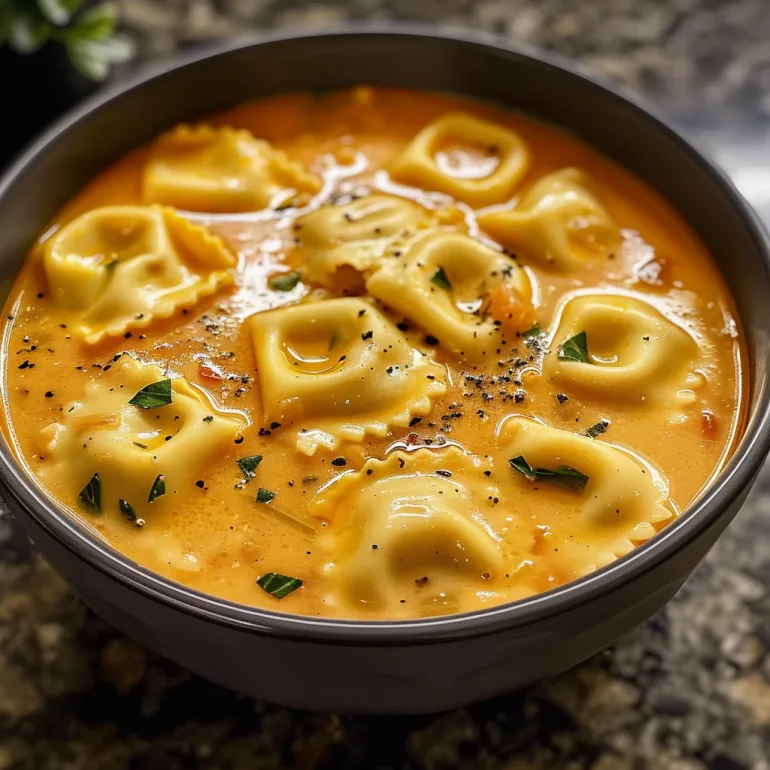
There’s something magical about a dish that combines comfort, convenience, and incredible flavor all in one pot. One Oven Ravioli Soup is exactly that kind of recipe—a hearty, soul-warming meal that transforms simple ingredients into something extraordinary. Whether you’re cooking for a busy weeknight dinner or looking to impress guests with minimal effort, this baked soup delivers restaurant-quality results right from your oven.
Building Layers of Flavor
Starting with the Aromatic Base
Every great soup begins with a solid foundation of aromatics, and this baked ravioli soup is no exception. The combination of sautéed onions and garlic creates the essential flavor base that permeates every element of the dish. When you brown Italian sausage first, you’re not just cooking meat—you’re developing rich, savory notes that will infuse the entire soup. Those caramelized bits that stick to the bottom of your pot contain concentrated flavor compounds that dissolve into the broth.
Nevertheless, timing matters when building these flavors. You’ll want to cook the sausage until it’s nicely browned, then set it aside briefly while you sauté the onions in the rendered fat. This two-step process ensures maximum flavor development. The garlic goes in last, cooking just until fragrant—about 30 seconds—because it can turn bitter if overcooked. These foundational steps set the stage for a soup that’s complex and deeply satisfying.
Choosing Quality Ingredients Makes a Difference
While this recipe is wonderfully forgiving and flexible, using high-quality ingredients will significantly elevate the final result. Fresh ravioli from the refrigerated section often has better texture and flavor than frozen varieties, though both work perfectly well. Similarly, opting for good-quality Italian sausage with visible seasoning and fresh herbs will add more depth than generic brands. When it comes to the broth, homemade chicken stock is ideal, but a good store-bought variety works beautifully too.
In addition, fresh spinach brings vibrant color and a pleasant texture that frozen spinach can’t quite match. The heavy cream should be full-fat for the richest, most luxurious consistency—low-fat versions won’t provide the same velvety mouthfeel. Don’t skimp on the Parmesan cheese either; freshly grated from a block tastes infinitely better than pre-shredded versions. These small quality choices accumulate into a soup that tastes truly exceptional.
Ingredients
| Ingredient | Quantity |
|---|---|
| Cheese ravioli (frozen or fresh) | 1 pound |
| Olive oil | 2 tablespoons |
| Italian sausage (mild or spicy) | 1 pound |
| Yellow onion, diced | 1 medium |
| Garlic cloves, minced | 4 cloves |
| Chicken broth | 4 cups |
| Diced tomatoes (canned) | 14.5 ounces |
| Heavy cream | 1 cup |
| Fresh spinach | 3 cups |
| Italian seasoning | 1 tablespoon |
| Dried basil | 1 teaspoon |
| Red pepper flakes | 1/2 teaspoon |
| Salt | To taste |
| Black pepper | To taste |
| Parmesan cheese, grated | 1/2 cup |
| Fresh basil for garnish | Optional |
Mastering the Baking Technique
Preparing Your Dutch Oven Properly
The key to successfully making this baked ravioli soup lies in using the right vessel—a heavy-duty Dutch oven with a tight-fitting lid. This type of pot distributes heat evenly and retains moisture, creating the perfect environment for your soup to develop flavor. Before starting, ensure your Dutch oven is oven-safe up to at least 375 degrees Fahrenheit. Cast iron or enameled cast iron Dutch ovens work exceptionally well for this recipe because they maintain consistent temperatures throughout the cooking process.
Consequently, you’ll start by browning your ingredients on the stovetop in the same Dutch oven you’ll use for baking. This eliminates the need for multiple pots and ensures all those delicious browned bits become part of your soup. Once you’ve built your flavor base and added all the liquid ingredients, you’ll cover the pot tightly and transfer it to your preheated oven. The lid is crucial—it traps steam and moisture, preventing the soup from drying out while concentrating the flavors.
Temperature and Timing Considerations
Baking temperature matters significantly when making this oven ravioli soup. Too hot, and the liquid will evaporate too quickly; too cool, and the flavors won’t develop properly. A moderate temperature of 375 degrees Fahrenheit strikes the perfect balance, allowing the soup to bubble gently while the ravioli cooks through without becoming mushy. Plan on baking for approximately 30 to 40 minutes, checking occasionally to ensure everything is progressing nicely.
Meanwhile, you’ll add the ravioli during the final 10 to 15 minutes of cooking time. Adding them too early can result in overcooked, falling-apart pasta, while adding them too late means they won’t absorb any of the delicious broth. The cream and spinach also go in toward the end, as both require minimal cooking time. This staggered addition of ingredients ensures that each component reaches its optimal texture and doneness simultaneously.
Customizing Your Soup Experience
Protein and Pasta Variations
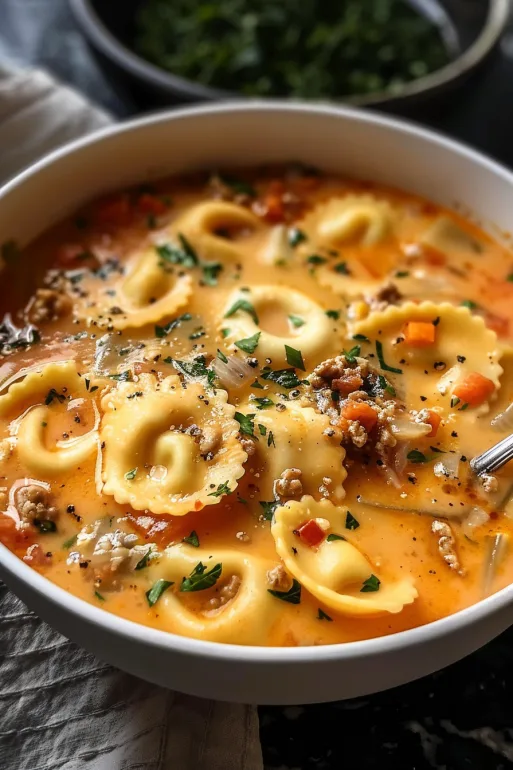
One of the beautiful aspects of this baked ravioli soup recipe is its incredible versatility. While Italian sausage provides wonderful flavor, you can easily substitute ground beef, turkey, or even keep it vegetarian by omitting meat entirely. Chicken sausage offers a lighter option that still delivers great taste. If you’re feeling adventurous, try using different types of ravioli—lobster-filled ravioli creates an elegant variation, while mushroom ravioli adds an earthy depth.
Furthermore, you can experiment with tortellini instead of ravioli for a slightly different texture and presentation. Some cooks prefer using a mix of both, creating visual interest and varied flavors in each spoonful. For those following specific dietary requirements, many stores now carry gluten-free ravioli that works just as well in this recipe. The beauty of soup is that it adapts readily to whatever ingredients you have available or prefer.
Vegetable Additions and Substitutions
While spinach provides color and nutrition, numerous other vegetables work wonderfully in this soup. Kale offers a heartier alternative with more substantial texture, though it requires slightly longer cooking time. Sun-dried tomatoes add a concentrated burst of sweetness and tanginess that complements the cream beautifully. Roasted red peppers contribute smoky sweetness and vibrant color, making the soup even more visually appealing.
In contrast, if you prefer a chunkier soup with more vegetables, consider adding diced carrots, celery, or zucchini during the initial stovetop cooking phase. These vegetables need more time to soften, so they benefit from the full cooking period. Mushrooms are another excellent addition, providing umami depth and meaty texture without adding actual meat. The key is balancing your additions so the soup doesn’t become overcrowded—you still want the ravioli to be the star of the show.
Achieving the Perfect Creamy Consistency
Understanding the Role of Dairy
The cream in this soup transforms it from a simple broth-based dish into a luxurious, restaurant-quality meal. Heavy cream provides richness without curdling during the baking process, which lighter dairy products might do under high heat. The fat content in heavy cream also helps carry and distribute flavors throughout the soup, making each spoonful more satisfying. When stirred in near the end of cooking, it creates that signature velvety texture that makes creamy soups so irresistible.
Nevertheless, if you’re looking for a slightly lighter version, half-and-half can work as a substitute, though the texture won’t be quite as rich. Some cooks add a splash of cream cheese or mascarpone for extra tang and body. The Parmesan cheese you stir in also contributes to the creamy consistency while adding a pleasant sharpness that balances the richness. Together, these dairy components create a soup that’s indulgent yet not overwhelmingly heavy.
Adjusting Thickness to Your Preference
Everyone has their own idea of the perfect soup consistency—some prefer it brothy and light, while others want it thick enough to coat a spoon. This recipe lands somewhere in the middle, but it’s easily adjustable. If you find your soup too thick after baking, simply stir in additional chicken broth or even a splash of milk until it reaches your desired consistency. The ravioli will continue absorbing liquid as the soup sits, so it naturally thickens over time.
On the other hand, if your soup seems too thin, you have several options for thickening it. A slurry made from cornstarch and water can be stirred in and heated briefly to thicken the broth without altering the flavor. Alternatively, mash a few pieces of the cooked ravioli against the side of the pot to release their filling, which naturally thickens the soup while adding more cheese flavor. Another option is to remove the lid for the final few minutes of baking, allowing some liquid to evaporate and concentrating the flavors.
Serving Suggestions and Pairings
Complementary Side Dishes
Although this baked ravioli soup is substantial enough to serve as a complete meal, pairing it with the right sides elevates the dining experience. Crusty Italian bread or garlic bread is a classic choice, perfect for soaking up every last drop of that creamy broth. A simple Caesar salad provides a crisp, refreshing contrast to the rich soup, while its garlicky dressing echoes the Italian flavors. Alternatively, a light arugula salad with lemon vinaigrette offers a peppery bite that cuts through the cream.
Additionally, consider serving breadsticks or focaccia alongside the soup for a more casual presentation. Roasted vegetables make an excellent side dish if you want to add more nutrition without overwhelming the meal. A simple caprese salad with fresh mozzarella, tomatoes, and basil celebrates the Italian theme while adding fresh, bright flavors. Whatever sides you choose, keep them relatively simple so the soup remains the centerpiece of the meal.
Garnishes That Make a Difference
The right garnishes can transform your soup from homey to elegant in seconds. Freshly grated Parmesan cheese is essential—it adds a salty, nutty flavor that intensifies as it melts into the hot soup. Fresh basil leaves, either torn or cut into thin ribbons, provide aromatic freshness and beautiful color contrast. A drizzle of high-quality olive oil adds richness and a subtle fruity note that enhances the overall flavor profile.
Moreover, a sprinkle of red pepper flakes gives those who enjoy heat the option to customize their bowl. Toasted pine nuts or chopped walnuts add a pleasant crunch and nutty flavor that contrasts nicely with the tender ravioli. Some people love adding a dollop of pesto on top, which swirls into the soup creating pockets of concentrated basil flavor. Fresh cracked black pepper is always welcome, adding a sharp bite that balances the cream’s richness. These finishing touches show attention to detail and elevate a simple soup into something special.
Storage, Reheating, and Meal Prep Tips
Proper Storage for Maximum Freshness
Like many soups, this baked ravioli soup tastes even better the next day after the flavors have had time to meld together. To store leftovers properly, allow the soup to cool completely before transferring it to airtight containers. Refrigerated soup will keep for three to four days, making it perfect for meal prep or easy weekday lunches. Be aware that the ravioli will continue absorbing liquid as it sits, so the soup will thicken considerably in the refrigerator.
In fact, when storing this soup, you might want to reserve some extra chicken broth to add when reheating. This prevents the soup from becoming too paste-like after a day or two in the fridge. For longer storage, this soup freezes reasonably well for up to two months, though the texture of the cream and pasta may change slightly upon thawing. If you plan to freeze portions, consider slightly undercooking the ravioli initially so it doesn’t become mushy after freezing and reheating.
Reheating Without Compromising Quality
Reheating this soup properly ensures it tastes just as delicious as when freshly made. The stovetop method works best—transfer the soup to a pot and reheat over medium-low heat, stirring occasionally to prevent sticking. Add a splash of chicken broth or cream to restore the original consistency, as the soup will have thickened during storage. Avoid boiling the soup vigorously, as this can cause the cream to separate or the ravioli to fall apart.
Alternatively, you can reheat individual portions in the microwave, though this method requires more attention. Use a microwave-safe bowl, heat in 90-second intervals, stirring between each session to ensure even heating. Cover the bowl loosely to prevent splattering while allowing steam to escape. Whether using stovetop or microwave methods, make sure the soup is heated thoroughly to at least 165 degrees Fahrenheit for food safety. With proper reheating techniques, your leftovers will taste nearly as good as the original batch.
Frequently Asked Questions
Can I make One Oven Ravioli Soup ahead of time?
Yes, you can prepare this soup up to two days in advance. However, for best results, cook everything except the ravioli, cream, and spinach. Store this base in the refrigerator, then when ready to serve, bring it back to temperature in the oven, add the remaining ingredients, and finish cooking.
What’s the best type of ravioli to use for this soup?
Cheese ravioli is the most popular choice and works beautifully in this recipe, providing creamy pockets of flavor throughout the soup. However, you can use any variety you prefer—meat-filled, spinach and ricotta, or even butternut squash ravioli.
Can I substitute the heavy cream with a lighter option?
While heavy cream provides the richest texture and flavor, you can substitute half-and-half if you’re looking for a lighter version. The soup won’t be quite as creamy, but it will still be delicious. Avoid using milk alone, as it may curdle under the oven’s heat. For a dairy-free version, full-fat coconut milk works surprisingly well, though it will impart a subtle coconut flavor. You could also try cashew cream for a plant-based alternative that maintains richness without dairy.
Why does my soup get too thick after storing?
Soups with pasta naturally thicken during storage because the pasta continues absorbing liquid even when refrigerated. This is completely normal and easily fixable. When reheating, simply add chicken broth, vegetable broth, or even water until you reach your desired consistency.
Can I cook this entirely on the stovetop instead of the oven?
Absolutely! While baking creates unique flavor development and hands-off convenience, you can achieve similar results on the stovetop. After browning your sausage and sautéing aromatics, add all ingredients except the ravioli, cream, and spinach.
Conclusion
One Oven Ravioli Soup represents the perfect intersection of comfort, convenience, and culinary excellence. This versatile dish proves that impressive meals don’t require complicated techniques or hours of hands-on preparation. By combining simple ingredients and letting your oven do most of the work, you can create a restaurant-quality soup that satisfies both body and soul. The tender cheese-filled ravioli swimming in rich, creamy broth delivers comfort in every spoonful, while the flexibility to customize ingredients means you can make this recipe your own.
Print
Crispy Panko Crusted Chicken Breasts
- Total Time: 40 minutes
- Yield: 4 servings 1x
Description
Golden, crispy panko-crusted chicken breasts that are tender and juicy inside with a perfectly crunchy exterior. Simple ingredients and easy techniques deliver restaurant-quality results.
Ingredients
- 4 boneless, skinless chicken breasts (6–8 oz each)
- 2 cups panko breadcrumbs
- 3/4 cup all-purpose flour
- 3 large eggs
- 1/2 cup grated Parmesan cheese
- 1 1/2 teaspoons garlic powder
- 1 teaspoon onion powder
- 1 1/2 teaspoons dried Italian seasoning
- 1 teaspoon paprika
- 1 1/2 teaspoons salt
- 3/4 teaspoon black pepper
- 3 tablespoons olive oil or cooking spray
Instructions
- 1. Preheat oven to 400°F. Line a baking sheet with parchment paper and place a wire rack on top.
- 2. Pat chicken breasts completely dry with paper towels. Season both sides lightly with salt and pepper.
- 3. Set up three shallow dishes: one with flour mixed with 1/2 teaspoon salt and 1/4 teaspoon pepper, one with beaten eggs mixed with 1 tablespoon water, and one with panko mixed with Parmesan cheese and all dried seasonings.
- 4. Dredge each chicken breast in flour, coating both sides and shaking off excess.
- 5. Dip floured chicken into egg wash, ensuring complete coverage and allowing excess to drip off.
- 6. Press chicken firmly into panko mixture, coating both sides generously and patting to help breadcrumbs adhere.
- 7. Place breaded chicken on the prepared wire rack. Let rest for 5 minutes.
- 8. Lightly spray or brush chicken with olive oil on both sides.
- 9. Bake for 20-25 minutes until internal temperature reaches 165°F and coating is golden brown.
- 10. Let rest for 5 minutes before serving.
Notes
Store leftovers in an airtight container in the refrigerator for up to 4 days. Reheat in a 375°F oven for 10-15 minutes to restore crispiness. Can be frozen for up to 3 months. For extra crispy results, pan-fry in 3 tablespoons of oil over medium-high heat for 5-6 minutes per side.
- Prep Time: 15 minutes
- Cook Time: 25 minutes
- Category: Main Dish
- Method: Baking
- Cuisine: American
Nutrition
- Serving Size: 1 chicken breast
- Calories: 385
- Sugar: 2g
- Sodium: 780mg
- Fat: 14g
- Carbohydrates: 22g
- Fiber: 1g
- Protein: 45g