Ravioli sauce is one of those culinary treasures that can elevate your pasta game from ordinary to extraordinary. Whether you’re whipping up a cozy family dinner or impressing guests, a well-made sauce can make all the difference. So, why settle for store-bought when you can craft a delicious sauce that tantalizes the taste buds? Let’s jump into the world of homemade ravioli sauce that’s packed with flavor and bound to become a favorite in your household.
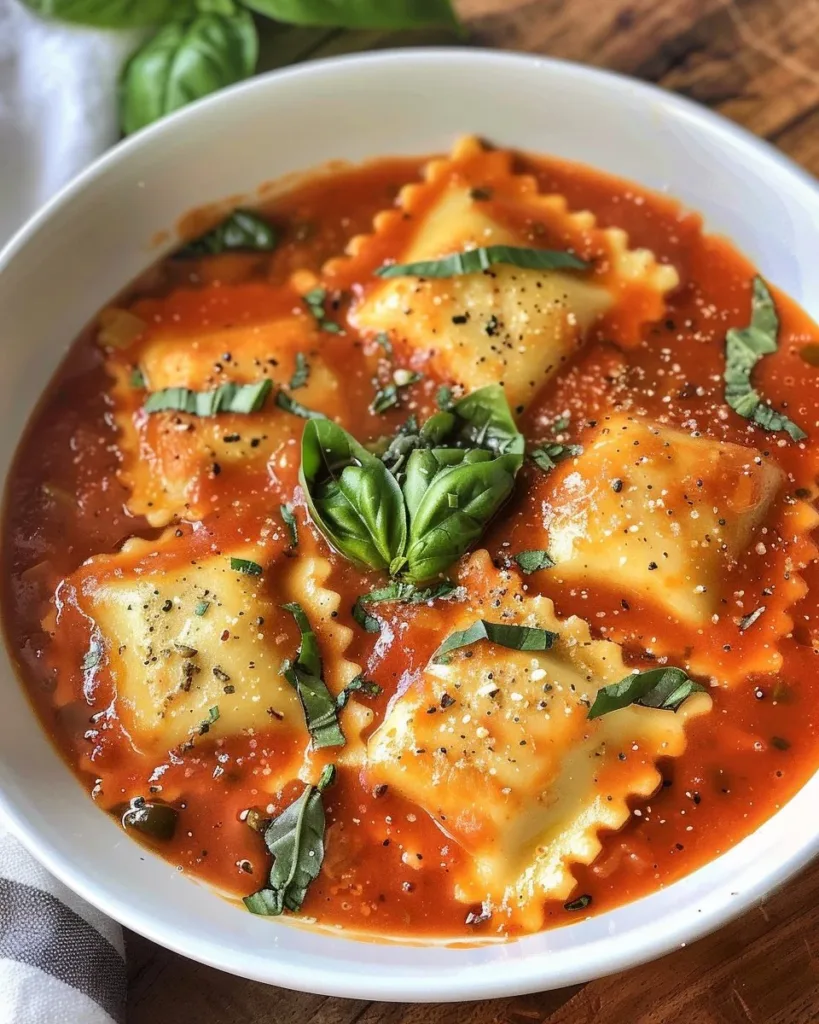
Ingredients
Creating a flavorful ravioli sauce starts with top-notch ingredients. Here’s what you’ll need:
- Olive oil: 2 tablespoons for a rich base.
- Garlic: 3 cloves, minced, to add depth.
- Onion: 1 medium, finely chopped, for sweetness.
- Crushed tomatoes: 28 ounces (canned) for a tangy foundation.
- Fresh basil: 1/4 cup, chopped for aromatic freshness.
- Oregano: 1 teaspoon (dried) to enhance the flavor profile.
- Salt: 1 teaspoon to taste.
- Black pepper: 1/2 teaspoon for subtle heat.
- Red pepper flakes: 1/4 teaspoon (optional) for spice.
- Parmesan cheese: Freshly grated, for serving (optional).
Substitutions and Optional Ingredients
- Olive oil: Can be replaced with avocado oil or grapeseed oil for a different flavor.
- Crushed tomatoes: Fresh tomatoes, roughly chopped, can be used, though you’ll need about 4 medium.
- Fresh basil: Dried basil can substitute in a pinch, though use less (about 2 tablespoons).
- Salt: Himalayan pink salt or sea salt can provide a different texture and taste.
- Parmesan cheese: Nutritional yeast for vegan or dairy-free versions.
Timing
Making the ravioli sauce is quick and straightforward. Here’s the breakdown:
- Prep time: 10 minutes
- Cooking time: 20 minutes
- Total time: 30 minutes
This quick cooking time means you can serve up a delicious meal in just half an hour, perfect for busy weeknights or a spontaneous gathering.
How to Make Ravioli Sauce
Step 1: Begin by heating the olive oil in a large saucepan over medium heat. Once the oil shimmers, add the finely chopped onion. Sauté for about 3-4 minutes until the onion becomes translucent and fragrant.
Step 2: Next, toss in the minced garlic and red pepper flakes, if using. Stir and cook for an additional 1-2 minutes. Be careful not to burn the garlic, as it can turn bitter.
Step 3: Pour the crushed tomatoes into the pan, allowing them to mingle with the sautéed aromatics. Stir well to combine all the flavors, and sprinkle in the dried oregano, salt, and black pepper. Bring the mixture to a gentle simmer.
Step 4: Reduce the heat to low and let your sauce simmer for about 15 minutes. This simmering process develops the flavors beautifully. Stir occasionally to prevent sticking.
Step 5: In the last few minutes of cooking, add the fresh basil. Stir just before serving to keep the basil vibrant and fresh.
Step 6: Taste your sauce and adjust seasoning if necessary. It could use a pinch more salt or a sprinkle of red pepper flakes for that extra kick.
Step 7: Toss the sauce with the cooked ravioli of your choice. Make sure the pasta is well-coated before serving!
Healthier Alternatives
If you’re looking to make healthier choices, there are several options you can consider. Instead of regular olive oil, try using extra virgin olive oil for added nutrients. For a vegan twist, substitute Parmesan cheese with nutritional yeast, which provides a cheesy flavor without dairy. If you’re monitoring carbs, look for low-carb pasta options or even spiralized vegetables, such as zucchini, as a base.
Serving Suggestions
To serve, consider garnishing each plate with a bit of extra chopped basil and a sprinkle of freshly grated Parmesan cheese. It not only enhances the dish visually but also boosts flavor. Pair your ravioli with garlic bread or a light salad dressed with lemon vinaigrette to balance richness. For drinks, a refreshing sparkling water with a squeeze of lemon would complement the meal perfectly.
Common Mistakes to Avoid
While making ravioli sauce is relatively straightforward, a few common pitfalls can ruin your dish. First, be mindful not to burn the garlic. Stick to medium heat and keep an eye on it while sautéing. Another mistake is under-seasoning. Tasting your sauce as it cooks will prevent blandness. Lastly, don’t rush the simmering process. Allowing the sauce to develop its flavors is key, and the lingering aroma is part of the charm.
Storage Tips
If you have leftover sauce, store it in an airtight container in the refrigerator for up to 4 days. You can also freeze it for longer storage; just make sure to portion it for easy thawing later – it’ll last about 3 months in the freezer. When reheating, gently heat it on the stove while adding a splash of water if it’s too thick.
Conclusion
This homemade ravioli sauce is not just a meal; it’s an experience filled with flavor and satisfaction. It showcases how simple ingredients can create unforgettable flavors that delight. So why not give this recipe a try? Explore your kitchen and impress your family and friends with your newfound sauce-making skills!
Frequently Asked Questions
Can I make ravioli sauce ahead of time?
Absolutely! This sauce can be made ahead of time and stored in the fridge or freezer. It actually tastes even better after the flavors have melded overnight.
Can I use fresh tomatoes instead of canned?
Certainly! Fresh tomatoes can be used; just ensure they are ripe for the best flavor. You’ll need around 4 medium-sized tomatoes for every 28 ounces of canned tomatoes.
Is this sauce suitable for vegan diets?
Yes! By omitting cheese or substituting it with nutritional yeast, this ravioli sauce can easily be made vegan while still being packed with flavor.
What type of ravioli works best with this sauce?
Any ravioli will do! Cheese, mushroom, or butternut squash ravioli pairs wonderfully with this sauce, but feel free to experiment with your favorite fillings.
Can I add meat to the sauce for more protein?
Definitely! Ground beef or turkey can be added after step 1 of the cooking process. Brown the meat before adding the onions for a hearty variation.
Print
Homemade Ravioli Sauce
- Total Time: 30 minutes
- Yield: 4 servings 1x
Description
A flavorful homemade sauce that elevates your pasta with fresh ingredients and rich flavors.
Ingredients
- 2 tablespoons Olive oil
- 3 cloves Garlic, minced
- 1 medium Onion, finely chopped
- 28 ounces Crushed tomatoes (canned)
- 1/4 cup Fresh basil, chopped
- 1 teaspoon Oregano (dried)
- 1 teaspoon Salt to taste
- 1/2 teaspoon Black pepper
- 1/4 teaspoon Red pepper flakes (optional)
- Parmesan cheese, freshly grated for serving (optional)
Instructions
- Begin by heating the olive oil in a large saucepan over medium heat. Once the oil shimmers, add the finely chopped onion. Sauté for about 3-4 minutes until the onion becomes translucent and fragrant.
- Next, toss in the minced garlic and red pepper flakes, if using. Stir and cook for an additional 1-2 minutes. Be careful not to burn the garlic, as it can turn bitter.
- Pour the crushed tomatoes into the pan, allowing them to mingle with the sautéed aromatics. Stir well to combine all the flavors, and sprinkle in the dried oregano, salt, and black pepper. Bring the mixture to a gentle simmer.
- Reduce the heat to low and let your sauce simmer for about 15 minutes. This simmering process develops the flavors beautifully. Stir occasionally to prevent sticking.
- In the last few minutes of cooking, add the fresh basil. Stir just before serving to keep the basil vibrant and fresh.
- Taste your sauce and adjust seasoning if necessary. It could use a pinch more salt or a sprinkle of red pepper flakes for that extra kick.
- Toss the sauce with the cooked ravioli of your choice. Make sure the pasta is well-coated before serving!
Notes
For a vegan option, substitute Parmesan cheese with nutritional yeast.
- Prep Time: 10 minutes
- Cook Time: 20 minutes
- Category: Main Course
- Method: Simmering
- Cuisine: Italian
Nutrition
- Serving Size: 1 serving
- Calories: 250
- Sugar: 6g
- Sodium: 500mg
- Fat: 10g
- Saturated Fat: 1.5g
- Unsaturated Fat: 8.5g
- Trans Fat: 0g
- Carbohydrates: 30g
- Fiber: 5g
- Protein: 5g
- Cholesterol: 5mg