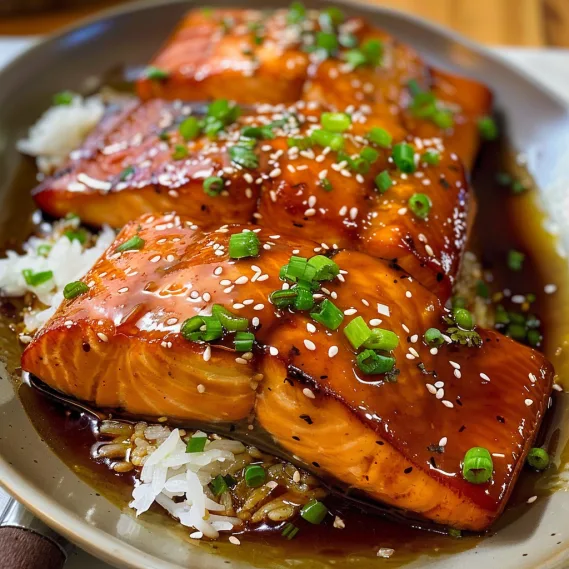
There’s something truly magical about the way sweet and savory flavors dance together in a perfectly glazed piece of fish. Salmon teriyaki brings this culinary harmony to your dinner table with minimal effort and maximum flavor. This Japanese-inspired dish combines tender, flaky salmon with a glossy teriyaki sauce that caramelizes beautifully during cooking.
Essential Preparation Techniques
Preparing Your Salmon Fillets
Proper preparation ensures even cooking and optimal flavor absorption. Start by patting your salmon fillets completely dry with paper towels, as excess moisture prevents proper searing and glaze adhesion. If you’ve purchased salmon with skin, decide whether to keep it on or remove it based on personal preference. The skin creates a protective barrier during cooking and crisps up beautifully when pan-seared. However, some folks prefer skinless fillets for easier eating. Next, check for pin bones by running your fingers along the fillet’s center. Remove any you find using clean tweezers or needle-nose pliers. This small step makes a huge difference in the eating experience.
Making the Teriyaki Glaze
Creating homemade teriyaki sauce transforms this dish from good to extraordinary. In a small saucepan, combine soy sauce, water, brown sugar, honey, rice vinegar, minced ginger, and minced garlic. Bring the mixture to a gentle simmer over medium heat, stirring occasionally to dissolve the sugar completely. The sauce should bubble gently but not boil vigorously. After simmering for about five minutes, the flavors will meld beautifully. In a separate small bowl, mix cornstarch with cold water until smooth, then slowly whisk this slurry into the simmering sauce. Continue cooking for another two minutes until the sauce thickens noticeably and develops that signature glossy appearance.
Ingredients
| Ingredient | Quantity |
|---|---|
| Salmon fillets (skin-on or skinless) | 4 pieces (6 oz each) |
| Soy sauce | 1/2 cup |
| Water | 1/4 cup |
| Brown sugar | 1/4 cup |
| Honey | 2 tablespoons |
| Rice vinegar | 2 tablespoons |
| Fresh ginger (minced) | 1 tablespoon |
| Garlic cloves (minced) | 3 cloves |
| Cornstarch | 1 tablespoon |
| Cold water | 1 tablespoon |
| Sesame seeds (for garnish) | 1 tablespoon |
| Green onions (sliced) | 2 stalks |
| Vegetable oil | 1 tablespoon |
Cooking Methods for Salmon Teriyaki
Pan-Seared Method
Pan-searing delivers a gorgeous caramelized crust while keeping the interior perfectly moist. Heat vegetable oil in a large skillet over medium-high heat until it shimmers. Season your salmon fillets lightly with salt and pepper, then carefully place them in the hot pan, skin-side up if using skin-on fillets. Let them cook undisturbed for about four minutes, allowing a golden-brown crust to form. Resist the urge to move them around, as this prevents proper browning. Flip the fillets gently using a wide spatula, then immediately brush generously with your prepared teriyaki sauce. Continue cooking for another three to four minutes, basting with additional sauce every minute or so. The salmon is done when it reaches an internal temperature of 145°F and flakes easily with a fork.
Oven-Baked Option
Baking offers a more hands-off approach that works wonderfully for meal prep. Preheat your oven to 400°F and line a baking sheet with parchment paper or aluminum foil for easy cleanup. Arrange your salmon fillets on the prepared sheet, spacing them at least an inch apart for even heat circulation. Brush each fillet generously with teriyaki sauce, reserving some for basting during cooking. Bake for twelve to fifteen minutes, depending on thickness, removing the pan halfway through to brush with more sauce. The high oven temperature caramelizes the sauce beautifully while cooking the salmon through evenly. This method works particularly well when preparing multiple servings or when you want to focus on preparing side dishes simultaneously.
Flavor Variations and Customizations
Spicy Salmon Teriyaki
Adding heat transforms this classic dish into something excitingly different. Incorporate sriracha, sambal oelek, or red pepper flakes into your teriyaki sauce for a spicy kick that complements the sweet and savory base. Start with one teaspoon of your chosen heat source and adjust according to your tolerance. The capsaicin from the peppers cuts through the richness of the salmon while the sugar in the sauce helps balance the heat. Alternatively, slice fresh jalapeños or serrano peppers to serve alongside the finished dish for customizable spiciness at the table.
Citrus-Enhanced Version
Bright citrus notes add another dimension to traditional teriyaki flavors. Incorporate the zest and juice of one orange or two limes into your sauce for a refreshing twist. The citrus acidity brightens the overall flavor profile while complementing the salmon’s natural oils. This variation works especially well during warmer months when lighter, brighter flavors feel more appealing. Additionally, a splash of mirin, Japanese sweet rice wine, can add subtle complexity and enhance the sauce’s glossiness without overwhelming the citrus notes.
Side Dishes and Serving Suggestions
Perfect Accompaniments
Choosing the right side dishes completes your salmon teriyaki meal. Steamed jasmine rice or brown rice provides a neutral base that soaks up the delicious sauce. For a lower-carb option, cauliflower rice works surprisingly well and adds a subtle nutty flavor. Stir-fried vegetables like bok choy, snap peas, broccoli, or bell peppers add color, nutrition, and textural variety. The vegetables can even be cooked in the same pan after removing the salmon, allowing them to pick up those wonderful caramelized bits. Meanwhile, a simple cucumber salad dressed with rice vinegar and sesame oil provides a cooling contrast to the rich, sweet salmon.
Presentation Tips
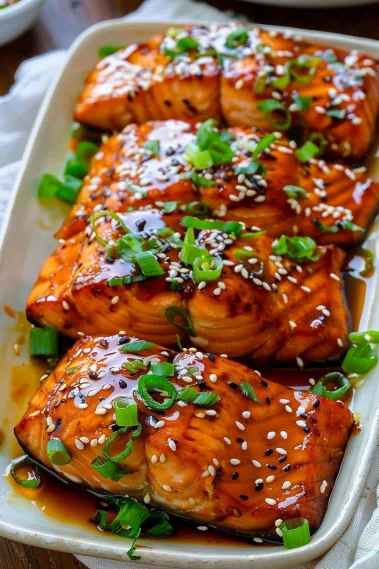
Beautiful presentation elevates your home-cooked meal to restaurant quality. Arrange your salmon fillet over a bed of rice or alongside your chosen vegetables on a clean white plate. Drizzle any remaining teriyaki sauce artistically over the fish and around the plate. Sprinkle toasted sesame seeds generously over the salmon for visual appeal and nutty flavor. Scatter thinly sliced green onions across the entire plate for a pop of fresh color. If you’re feeling fancy, add a small mound of pickled ginger on the side or garnish with thin strips of nori seaweed. These simple touches make a significant impact on the overall dining experience.
Storage and Meal Prep Strategies
Proper Storage Methods
Knowing how to store leftover salmon teriyaki properly ensures food safety and maintains quality. Allow cooked salmon to cool to room temperature within two hours of cooking, then transfer it to an airtight container. Store in the refrigerator for up to three days. Keep any extra teriyaki sauce in a separate container to prevent the salmon from becoming soggy. When you’re ready to enjoy leftovers, reheat gently in a 300°F oven for about ten minutes, or use the microwave at fifty percent power to prevent overcooking. The salmon will never be quite as perfect as when freshly made, but proper storage minimizes quality loss.
Freezing and Make-Ahead Options
Planning ahead makes weeknight dinners effortless. You can prepare the teriyaki sauce up to one week in advance and store it in the refrigerator. The flavors actually improve as they meld together over time. For longer storage, freeze the sauce in ice cube trays, then transfer the frozen cubes to a freezer bag. Each cube equals about two tablespoons, making portioning easy. While cooked salmon freezes reasonably well for up to three months, the texture suffers somewhat upon thawing. Instead, consider marinating raw salmon in teriyaki sauce, then freezing it for up to two months. When you’re ready to cook, thaw overnight in the refrigerator and proceed with your preferred cooking method.
Common Mistakes and How to Avoid Them
Overcooking Issues
Overcooked salmon becomes dry, tough, and disappointing. This happens more often than you might think because salmon continues cooking from residual heat even after removing it from the heat source. To prevent this, remove your salmon when it’s slightly underdone in the center, around 125°F to 130°F for medium-rare. It’ll reach the ideal 145°F during resting. Look for salmon that’s just beginning to flake but still appears slightly translucent in the very center. Remember that thinner fillets cook faster than thicker ones, so adjust your timing accordingly. Using an instant-read thermometer removes the guesswork and guarantees perfect results every time.
Sauce Consistency Problems
Getting the teriyaki sauce consistency right takes practice. Too thin, and it slides right off the salmon without creating that desirable glaze. Too thick, and it becomes gloppy and overpowering. The cornstarch slurry method provides excellent control over thickness. Always mix cornstarch with cold water before adding it to the hot sauce, as this prevents clumping. Add the slurry gradually, stirring constantly, and give the sauce time to thicken before adding more. The sauce will continue thickening as it cools, so aim for a consistency slightly thinner than your target. If you accidentally make it too thick, simply whisk in water one tablespoon at a time until you achieve the desired consistency.
Frequently Asked Questions
Can I use frozen salmon for salmon teriyaki?
Absolutely, frozen salmon works perfectly fine for this recipe. However, proper thawing is crucial for the best results. Transfer frozen salmon fillets from the freezer to the refrigerator and let them thaw slowly overnight. This method preserves the texture and prevents excessive moisture loss.
How do I know when my salmon is fully cooked?
The most reliable method is using an instant-read thermometer inserted into the thickest part of the fillet. Salmon is safe to eat at 145°F, though many prefer it at 125°F to 130°F for a more tender, slightly translucent center. Visually, properly cooked salmon transitions from translucent to opaque and flakes easily when tested with a fork.
What can I substitute for soy sauce in teriyaki?
Several alternatives work depending on your dietary needs. Tamari, a Japanese soy sauce that’s often gluten-free, provides nearly identical flavor. Coconut aminos offer a soy-free, slightly sweeter option that works well for those with soy allergies.
Should I remove the skin from my salmon before cooking?
This choice depends entirely on personal preference and cooking method. Leaving the skin on during cooking provides several benefits: it protects the delicate flesh from direct heat, helps hold the fillet together during flipping, and adds extra flavor and nutrients.
How long does homemade teriyaki sauce last?
Properly stored homemade teriyaki sauce maintains excellent quality for up to two weeks in the refrigerator. Transfer the cooled sauce to an airtight container or jar with a tight-fitting lid. The high sodium content from soy sauce acts as a natural preservative, extending shelf life considerably.
Conclusion
Mastering salmon teriyaki opens up a world of quick, healthy, and absolutely delicious dinner possibilities. This versatile dish combines restaurant-quality flavors with home-kitchen simplicity, making it perfect for both weeknight meals and special occasions. The sweet-savory glaze enhances salmon’s natural richness without overwhelming it, while the cooking methods remain straightforward and forgiving. Whether you prefer the caramelized crust from pan-searing or the hands-off convenience of oven-baking, you’ll achieve impressive results every time.
Print
Salmon Teriyaki
- Total Time: 25 minutes
- Yield: 4 servings 1x
Description
Restaurant-quality Japanese-inspired salmon glazed with sweet and savory homemade teriyaki sauce, ready in just 25 minutes for an impressive weeknight dinner.
Ingredients
- 4 salmon fillets (6 oz each), skin-on or skinless
- 1/2 cup soy sauce
- 1/4 cup water
- 1/4 cup brown sugar
- 2 tablespoons honey
- 2 tablespoons rice vinegar
- 1 tablespoon fresh ginger, minced
- 3 garlic cloves, minced
- 1 tablespoon cornstarch
- 1 tablespoon cold water
- 1 tablespoon vegetable oil
- 1 tablespoon sesame seeds (for garnish)
- 2 green onions, sliced (for garnish)
Instructions
- 1. Pat salmon fillets dry with paper towels and remove any pin bones. Season lightly with salt and pepper.
- 2. In a small saucepan, combine soy sauce, 1/4 cup water, brown sugar, honey, rice vinegar, ginger, and garlic. Bring to a simmer over medium heat, stirring until sugar dissolves.
- 3. Mix cornstarch with 1 tablespoon cold water until smooth. Whisk into the simmering sauce and cook for 2 minutes until thickened. Set aside.
- 4. Heat vegetable oil in a large skillet over medium-high heat. Place salmon fillets in the pan and cook for 4 minutes without moving.
- 5. Flip salmon carefully and immediately brush generously with teriyaki sauce. Cook for 3-4 minutes, basting with sauce every minute.
- 6. Remove from heat when salmon reaches 145°F internal temperature and flakes easily with a fork.
- 7. Transfer to serving plates, drizzle with remaining sauce, and garnish with sesame seeds and sliced green onions.
- 8. Serve immediately over rice with steamed vegetables.
Notes
Store leftover cooked salmon in an airtight container in the refrigerator for up to 3 days. Reheat gently at 300°F for 10 minutes. Teriyaki sauce can be made up to one week in advance and stored refrigerated. For meal prep, freeze uncooked marinated salmon for up to 2 months.
- Prep Time: 10 minutes
- Cook Time: 15 minutes
- Category: Main Dish
- Method: Pan-Searing
- Cuisine: Japanese-American
Nutrition
- Serving Size: 1 fillet (6 oz)
- Calories: 385
- Sugar: 18g
- Sodium: 1240mg
- Fat: 14g
- Carbohydrates: 22g
- Fiber: 0g
- Protein: 42g