Fresh bread has a funny way of making people pause mid-sentence. One minute everyone’s busy, and the next minute, someone asks, “Is that bread homemade?” That’s exactly the moment this sourdough sandwich bread shines. It’s soft, sliceable, dependable, and friendly enough for weekday lunches, yet special enough to feel like a small victory in the kitchen. Unlike crusty bakery loaves that fight back when you slice them, this sourdough sandwich bread behaves. It bends without breaking, toasts evenly, and holds peanut butter like a pro. So yes, this loaf was designed for real life, busy mornings, and family-style meals.
What Makes Sourdough Sandwich Bread Different
Sourdough sandwich bread brings together the best of both worlds. On one hand, it has that gentle sourdough flavor people love. On the other hand, it stays soft enough for everyday sandwiches. Because it uses a natural sourdough starter, this sandwich bread develops better texture and deeper flavor than standard yeast loaves. At the same time, it avoids the overly chewy crust found in artisan bread. As a result, slices stay flexible and uniform, which matters when packing lunches or making grilled cheese. Also, since sourdough sandwich bread ferments slowly, it often feels easier on digestion. So, while it tastes comforting, it also feels practical.
Perfect Texture for Toast, Lunches, and More
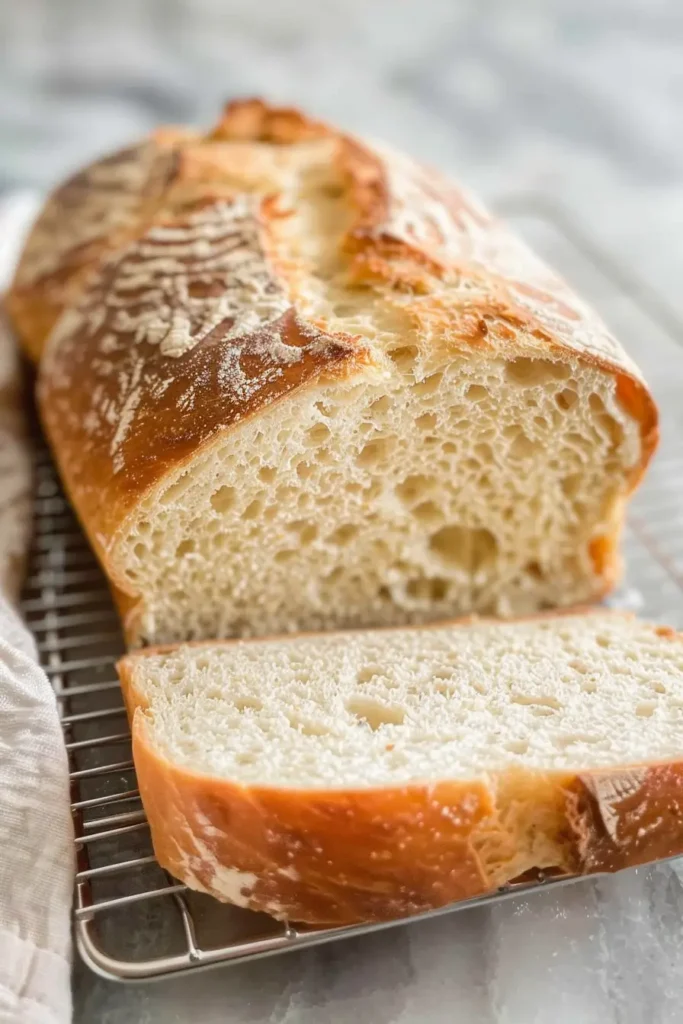
Texture can make or break sandwich bread, and sourdough sandwich bread nails it. The crumb stays soft but structured, meaning it won’t collapse under fillings. Meanwhile, the crust bakes thin and golden instead of thick and crackly. Because of that, toast browns evenly, and sandwiches don’t tear apart halfway through lunch. Additionally, this bread slices cleanly, which is a big win for beginners. Whether you’re making breakfast toast, school lunches, or a simple turkey sandwich, sourdough sandwich bread fits right in without fuss.
Beginner-Friendly and Made With Simple Ingredients
Although sourdough sounds intimidating, sourdough sandwich bread is surprisingly forgiving. The dough handles easily, the ingredients stay basic, and the process feels approachable. Since this recipe uses common pantry staples, you won’t be hunting for specialty items. Even better, the steps stay clear and manageable, making this loaf ideal for first-time sourdough bakers. With a little patience and a warm kitchen, you’ll end up with a loaf that feels both homemade and polished.
Simple Ingredients for Soft Sourdough Sandwich Bread
Pantry Staples You Probably Already Have
Before anything else, let’s slow down and look at the ingredients, because sourdough sandwich bread works best when things stay simple. Thankfully, this recipe uses everyday pantry items that most USA kitchens already have. That’s important, because baking feels more inviting when you don’t need a special shopping trip. Also, simple ingredients allow the sourdough flavor to shine without distractions. Since this is a soft sourdough sandwich bread, the balance of flour, liquid, and fat matters more than fancy add-ins. As a result, each ingredient plays a clear role in texture, flavor, and structure.
Ingredient Table for Sourdough Sandwich Bread
The table below breaks everything down clearly, so you can prep with confidence and avoid guesswork. Measuring carefully helps keep the sourdough sandwich bread consistent every time.
| Ingredient | Amount | Purpose |
|---|---|---|
| Active sourdough starter | 1 cup (240g) | Natural leavening and flavor |
| Warm water | 3/4 cup (180ml) | Hydration for soft crumb |
| Milk (whole or 2%) | 1/4 cup (60ml) | Tender texture and mild flavor |
| Granulated sugar or honey | 2 tablespoons | Gentle sweetness and browning |
| Unsalted butter, softened | 3 tablespoons | Softness and rich crumb |
| All-purpose flour | 3 1/2 cups (420g) | Structure for sandwich bread |
| Fine sea salt | 1 1/2 teaspoons | Flavor balance |
Ingredient Tips for Best Results
Use an active, bubbly starter for reliable rise. Also, room-temperature butter blends more easily into the dough. While all-purpose flour works perfectly here, consistency matters most. When measured correctly, these ingredients create sourdough sandwich bread that slices cleanly, stays soft, and tastes comforting day after day.
Step-by-Step Guide to Making Sourdough Sandwich Bread
Step 1: Mixing the Dough the Easy Way
First things first, gather your ingredients and clear a little counter space. Start by adding the active sourdough starter, warm water, milk, sugar or honey, and softened butter to a large mixing bowl. Then, stir everything together until it looks milky and smooth. At this point, add the flour and salt. While mixing, the dough may look shaggy at first, but that’s perfectly normal. Keep going until no dry flour remains. Because this is sourdough sandwich bread, the dough should feel soft and slightly tacky, not stiff. If needed, add a teaspoon of water at a time. Once combined, cover the bowl and let the dough rest for 30 minutes. This short rest helps the flour hydrate and makes kneading easier.
Step 2: Kneading and First Rise
After resting, knead the dough by hand or with a stand mixer for about 8 minutes. As you work, the dough will turn smooth and elastic. That’s your cue that gluten is developing. Place the dough in a lightly buttered bowl, turning once to coat. Cover and let it rise at room temperature until doubled, usually 4 to 6 hours. Because sourdough sandwich bread rises naturally, patience pays off here. A slow rise builds flavor and softness at the same time.
Step 3: Shaping and Baking
Once doubled, gently deflate the dough and shape it into a loaf. Place it into a greased 9×5-inch loaf pan. Cover and let it rise again until the dough crowns just above the pan. Meanwhile, preheat the oven to 375°F. Bake for 40 to 45 minutes until golden brown. Let the sourdough sandwich bread cool completely before slicing, since that sets the crumb properly.
Print
Sourdough Sandwich Bread
- Yield: 1 loaf 1x
Description
This sourdough sandwich bread is soft, reliable, and perfect for everyday meals. Made with simple pantry ingredients, it delivers gentle sourdough flavor and clean slices ideal for toast and sandwiches.
Ingredients
- 1 cup active sourdough starter
- 3/4 cup warm water
- 1/4 cup milk
- 2 tablespoons sugar or honey
- 3 tablespoons unsalted butter
- 3 1/2 cups all-purpose flour
- 1 1/2 teaspoons salt
Instructions
- Mix starter, water, milk, sugar, and butter. Add flour and salt.
- Knead until smooth. Let rise until doubled.
- Shape, rise again, and bake at 375°F for 40–45 minutes.
Notes
- Cool completely before slicing for best texture.
- Store at room temperature or freeze slices.
Frequently Asked Questions About Sourdough Sandwich Bread
Can I Make Sourdough Sandwich Bread Without a Stand Mixer?
Yes, you absolutely can. Sourdough sandwich bread works well when mixed and kneaded by hand. While a stand mixer saves time, hand-kneading gives you better feel for the dough. As long as you knead until smooth and elastic, the results stay just as soft and reliable.
How Do I Know My Sourdough Starter Is Ready?
Your starter should be bubbly, doubled in size, and pass the float test. When dropped into water, it should float. An active starter ensures your sourdough sandwich bread rises properly and develops balanced flavor.
Why Is My Bread Too Sour?
If the flavor feels too strong, shorten the fermentation time slightly. Warmer kitchens speed fermentation, so timing matters. Mild sourdough sandwich bread comes from controlled rises.
Can I Use Bread Flour Instead of All-Purpose?
Yes, bread flour works, though the crumb may be slightly chewier. All-purpose flour keeps sourdough sandwich bread softer for everyday use.
How Long Does Homemade Sourdough Sandwich Bread Last?
Stored properly, it stays fresh for four days at room temperature or three months frozen.
Conclusion
Sourdough sandwich bread brings comfort, reliability, and homemade pride to the table. It’s soft enough for daily sandwiches, sturdy enough for toast, and friendly enough for beginners. With simple ingredients and clear steps, this loaf fits right into busy American kitchens. Once you bake it, store it, and slice it, you’ll wonder why store-bought bread ever felt necessary. Make it once, and it quickly becomes a household favorite.