When it comes to comfort food, nothing hits home quite like the sweet, crisp bite of Tennessee onions. These onions aren’t just any onions—they’re the ones that have basked in the southern sun, developing a rich, naturally sweet flavor that can make your taste buds do a little happy dance. Whether you’re caramelizing them for a cozy dinner, adding them to a fresh salad, or grilling them alongside your favorite veggies, Tennessee onions bring a warm, homey touch to every meal. Plus, they’re ridiculously easy to work with. Think of them as the southern belle of the vegetable world—charming, versatile, and impossible to resist.
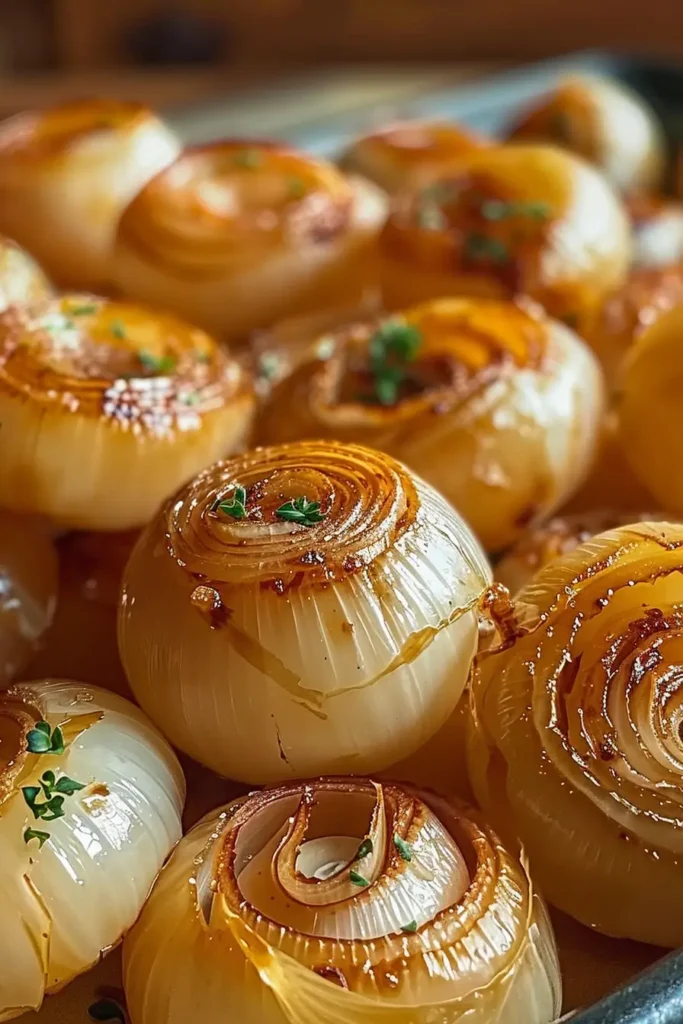
Explore more easy recipes Onion Boil Recipe .
Table of Contents
What Makes Tennessee Onions Unique
Tennessee onions are celebrated for their unique sweetness and crisp texture. Unlike regular onions, they’re grown in fertile soil and often enjoy the sunny, humid climate of the region, which enhances their natural sugars. These onions are perfect for both raw and cooked dishes, offering a mild flavor that doesn’t overpower your meals. Their versatility makes them a pantry favorite, whether you’re slicing them for sandwiches or sautéing them for a hearty stew. Additionally, Tennessee onions are often larger and juicier, making them ideal for recipes that require more moisture and flavor.
Health Benefits of Tennessee Onions
Tennessee onions are more than just tasty—they’re packed with nutrients. They contain antioxidants like quercetin, which supports heart health and boosts immunity. They’re low in calories but rich in vitamins C and B6, making them a great addition to a balanced diet. Plus, the fiber in onions promotes digestive health, and their natural compounds have anti-inflammatory properties. Including Tennessee onions in your daily meals not only enhances flavor but also contributes to overall wellness.
Check out more southern-inspired recipes with Bird Dog Sandwiches .
Ingredients and Step-by-Step Preparation
Ingredients for Tennessee Onions
Here’s a simple, easy-to-follow list of ingredients that you likely already have in your pantry. These ingredients highlight the natural sweetness of Tennessee onions and make the recipe beginner-friendly.
| Ingredient | Quantity | Notes |
|---|---|---|
| Tennessee onions | 4 large | Peeled and sliced into rings or wedges |
| Olive oil | 2 tbsp | For sautéing |
| Butter | 1 tbsp | Optional, adds richness |
| Salt | 1 tsp | Adjust to taste |
| Black pepper | 1/2 tsp | Freshly ground recommended |
| Brown sugar | 1 tsp | Enhances natural sweetness |
| Garlic | 2 cloves | Minced, optional for flavor boost |
| Fresh thyme | 1 tsp | Optional, for garnish |
Try more creative recipes Crispy Egg Salad Recipe .
Step-by-Step Preparation
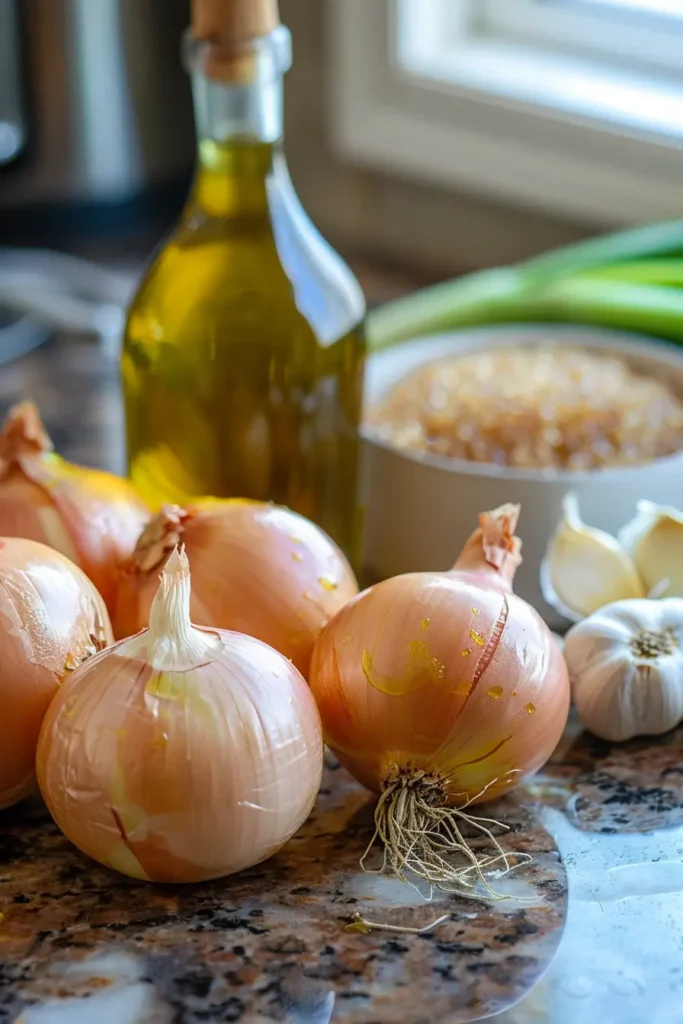
Step 1: Preparing the Onions
Start by peeling your Tennessee onions and slicing them evenly. Uniform slices ensure even cooking and bring out the natural sweetness. If you prefer, you can slice them into rings for salads or wedges for roasting.
Step 2: Sautéing or Caramelizing
Heat olive oil and butter in a large skillet over medium heat. Add the onions, sprinkle salt, pepper, and brown sugar, then stir occasionally. Let them cook slowly until soft and golden brown—this usually takes 15–20 minutes. The smell alone will make your kitchen feel like a cozy southern kitchen!
Step 3: Adding Flavor and Serving
Once onions are tender and caramelized, add minced garlic and fresh thyme, cooking for another 1–2 minutes. Remove from heat and serve immediately. These onions pair beautifully with sandwiches, roasted meats, or even as a sweet topping for baked potatoes.
Cooking Tips, Storage, and Serving Suggestions
Tips for Cooking Tennessee Onions Perfectly
Cooking Tennessee onions is easy, but a few tips can make them truly shine. First, always use a sharp knife to slice the onions evenly—this helps them cook uniformly. When sautéing, keep the heat moderate; too high, and they might burn before they caramelize. Stir occasionally, but let them sit long enough to develop that rich, golden-brown color. For grilling, brush lightly with olive oil and cook until tender with nice grill marks. These small adjustments elevate the flavor while keeping your kitchen aroma irresistibly inviting.
How to Store Tennessee Onions
If you have extra onions or leftovers, proper storage preserves their flavor and texture. Keep whole onions in a cool, dark, and ventilated spot—never in plastic bags, as moisture can cause spoilage. Sliced or cooked onions should be stored in an airtight container in the refrigerator and used within 3–4 days. For longer storage, you can freeze caramelized onions in portions, making it easy to add them to soups, stews, or casseroles any time.
Serving Suggestions and Pairings
Tennessee onions are incredibly versatile. Add them to sandwiches, burgers, or wraps for a sweet crunch. Toss them in salads or pasta dishes to enhance flavor naturally. For a heartier meal, serve caramelized onions alongside roasted chicken, turkey bacon, or beef brisket. They even make a delightful topping for mashed potatoes or veggie bowls. Their natural sweetness and aroma add warmth and elegance to simple home-cooked meals.
Creative Recipes and Uses for Tennessee Onions
Delicious Recipe Ideas with Tennessee Onions
Tennessee onions aren’t just for side dishes—they’re the star of many meals. Try them in a caramelized onion tart, layering the sweet onions with a simple cheese blend on a flaky crust. Or, add sautéed Tennessee onions to homemade pizza for a naturally sweet topping. They also shine in southern-style onion soup, where their sweetness balances savory broths beautifully. For breakfast, toss them into scrambled eggs or an omelet for a flavorful kick. Using these onions creatively elevates everyday meals into memorable dishes.
Pairing Tennessee Onions with Other Ingredients
Pairing is key to maximizing the onion’s flavor. Sweet Tennessee onions complement beef brisket, turkey bacon, chicken sausage, and roasted vegetables perfectly. Mix with fresh herbs like thyme or rosemary for added aroma. They also go wonderfully with cheeses, balsamic vinegar, or apple cider in dressings and sauces. You can even pickle them for a tangy topping on sandwiches or tacos. The versatility ensures that Tennessee onions never feel limited—they adapt to nearly any flavor profile and cooking style.
Find more delicious recipes on GrandyRecipes’ Pinterest, and stay inspired with the newest tips and ideas by following GrandyRecipes on Facebook.
Tips for Buying, Selecting Tennessee Onions
How to Select the Best Tennessee Onions
When buying Tennessee onions, look for bulbs that are firm, heavy for their size, and have dry, papery skins. Avoid onions with soft spots, sprouting tops, or signs of mold. Sweet onions, like those from Tennessee, are best when slightly larger and round, as they tend to have a higher sugar content. Fresh, crisp onions will give your recipes maximum flavor and texture, whether you’re slicing them raw or caramelizing them for dinner.
Storing Tips After Purchase
Keep your Tennessee onions in a cool, dry, and ventilated place. Avoid storing near potatoes, as this can cause premature sprouting. Once sliced or cooked, store in airtight containers in the refrigerator and use within a few days to enjoy maximum flavor.
Tennessee Onions
- Total Time: 30 mins
Description
Sweet, flavorful Tennessee onions that can be caramelized, sautéed, or used raw in salads. Perfect as a side dish, topping, or main ingredient.
Ingredients
- 4 large Tennessee onions, peeled and sliced
- 2 tbsp olive oil
- 1 tbsp butter
- 1 tsp salt
- 1/2 tsp black pepper
- 1 tsp brown sugar
- 2 cloves garlic, minced
- 1 tsp fresh thyme (optional)
Instructions
- Prepare the onions: Peel and slice evenly.
- Cook the onions: Heat olive oil and butter in a skillet. Add onions, salt, pepper, and brown sugar. Cook on medium heat for 15–20 minutes, stirring occasionally.
- Add flavor: Stir in garlic and thyme, cooking 1–2 minutes more. Serve immediately.
Notes
- Great for sandwiches, roasted meats, salads, or mashed potatoes.
- Can be stored in airtight containers in the fridge for up to 3–4 days or frozen for later use.
- Prep Time: 10 mins
- Cook Time: 20 mins
Nutrition
- Serving Size: 4
FAQs About Tennessee Onions
What makes Tennessee onions different from regular onions?
Tennessee onions are naturally sweeter and juicier than standard onions. They’re grown in fertile southern soil, which enhances their mild, rich flavor.
Can I eat Tennessee onions raw?
Yes! Their sweetness and mildness make them perfect for salads, sandwiches, or as a crunchy topping for tacos and burgers.
How should I store Tennessee onions?
Store whole onions in a cool, dark, and ventilated area. Sliced or cooked onions should be kept in airtight containers in the refrigerator for up to 3–4 days.
Can I freeze cooked Tennessee onions?
Absolutely! Freeze caramelized onions in small portions. They’re perfect for soups, casseroles, and sauces later.
Are Tennessee onions healthy?
Yes! They’re low in calories and packed with vitamins, antioxidants, and fiber, supporting heart and digestive health.
Conclusion
Tennessee onions bring a touch of southern charm to any meal. Their natural sweetness, crisp texture, and versatility make them a kitchen staple, whether you’re caramelizing them for dinner, tossing them in salads, or using them as a flavorful topping. With simple preparation and a few pantry staples, you can turn these humble onions into dishes that taste like home. By selecting fresh onions, storing them properly, and experimenting with recipes, you’ll discover just how much flavor and warmth Tennessee onions can add to everyday cooking. They’re more than an ingredient—they’re a little slice of southern comfort.