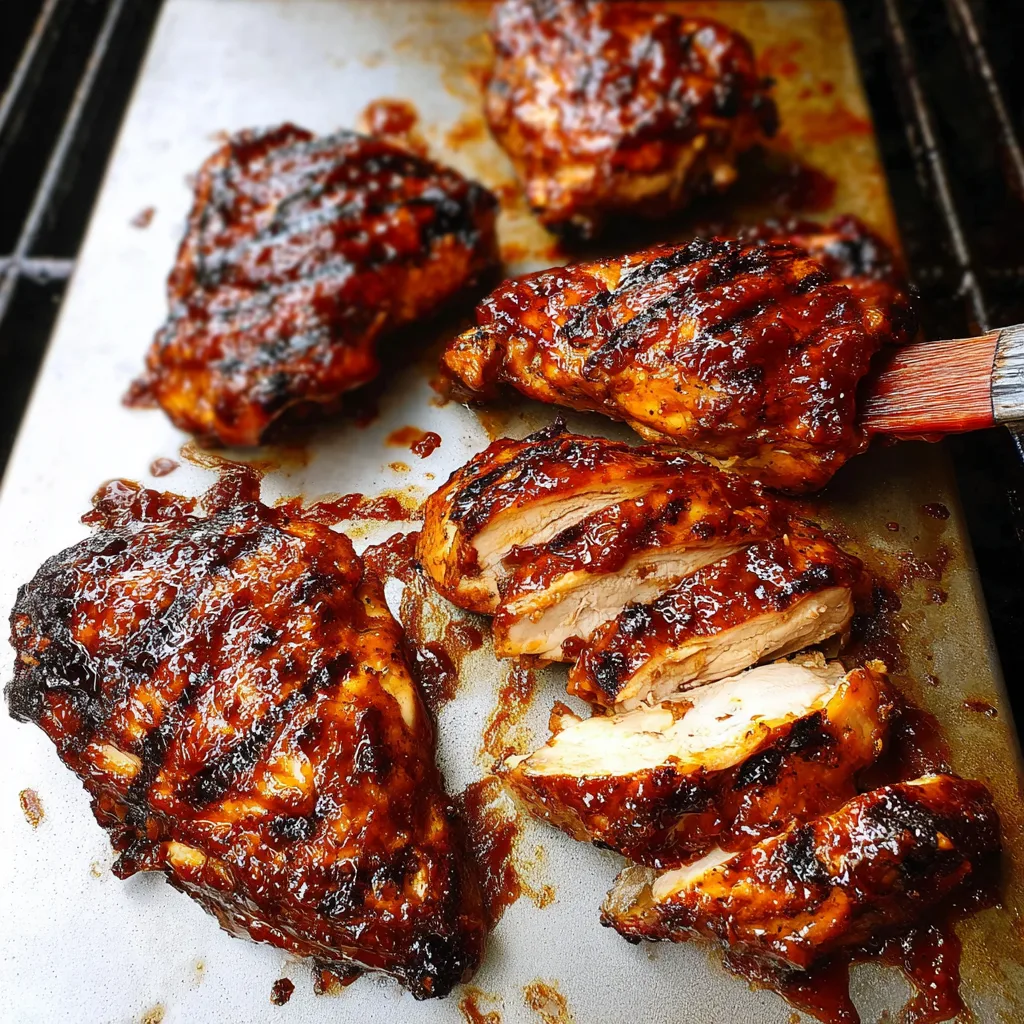
When summer rolls around and the grill comes out, nothing beats the aroma of sizzling BBQ chicken wafting through the backyard. The Best BBQ Chicken isn’t just about slapping some sauce on poultry and calling it a day—it’s an art form that combines proper technique, quality ingredients, and patience to achieve that perfect balance of smoky, sweet, and tangy flavors with meat so tender it falls off the bone.
Understanding the Fundamentals of BBQ Chicken
Why Temperature Control Matters
Temperature control serves as the foundation for achieving perfectly cooked barbecue chicken that’s juicy on the inside with a beautiful caramelized exterior. When you’re working with poultry, especially bone-in pieces, maintaining consistent heat between 350-375°F ensures even cooking throughout without drying out the meat. Additionally, this moderate temperature range allows the fat to render slowly, keeping the chicken moist while developing that coveted crispy skin everyone loves. Using a reliable meat thermometer becomes absolutely essential here—you’re aiming for an internal temperature of 165°F in the thickest part of the meat. Furthermore, avoiding temperature fluctuations prevents the common pitfall of burnt exteriors with undercooked centers, which can ruin an otherwise perfect meal.
Choosing the Right Chicken Cuts
Selecting appropriate chicken cuts dramatically impacts your final results, as different pieces offer varying levels of flavor, moisture, and cooking times. Dark meat cuts like thighs and drumsticks contain more fat and connective tissue, making them incredibly forgiving and difficult to overcook, while remaining juicy and flavorful throughout the cooking process. In contrast, chicken breasts cook faster but require more attention to prevent drying out, though they provide lean protein that many health-conscious diners prefer. Meanwhile, wings offer maximum surface area for that delicious caramelized coating and work wonderfully as appetizers or party food. Therefore, mixing different cuts in one batch allows you to satisfy various preferences while creating visual interest on the serving platter.
Creating the Perfect Dry Rub
Essential Spice Components
The dry rub acts as the flavor foundation that penetrates the meat and creates a flavorful crust when combined with heat and sauce. Starting with brown sugar provides sweetness that balances savory spices while helping to form that beautiful mahogany-colored bark on the chicken’s surface. Then, paprika and smoked paprika contribute color, mild sweetness, and that signature smoky depth that defines authentic BBQ flavor without requiring hours in a smoker. Similarly, garlic powder and onion powder deliver aromatic complexity that complements the meat’s natural flavors without overpowering them. Consequently, the combination of these elements creates layers of taste that distinguish exceptional grilled chicken from mediocre versions.
Application Technique and Timing
Proper dry rub application requires more than simply sprinkling seasonings over chicken and hoping for the best results. First, patting the chicken completely dry with paper towels ensures the rub adheres properly rather than sliding off during cooking. Next, lightly coating the chicken with olive oil creates a tacky surface that helps the spice mixture stick while adding moisture and promoting browning. Then, generously applying the rub and gently massaging it into every surface area, including under the skin when possible, maximizes flavor penetration throughout the meat. Ideally, letting the seasoned chicken rest in the refrigerator for at least two hours or overnight allows the salt and spices to work their magic, resulting in more deeply flavored, well-seasoned meat that tastes delicious from the first bite to the last.
Ingredients
| Ingredient | Quantity |
|---|---|
| Chicken pieces (legs, thighs, breasts, wings) | 3-4 pounds |
| Olive oil | 2 tablespoons |
| Brown sugar | 2 tablespoons |
| Paprika | 1 tablespoon |
| Garlic powder | 2 teaspoons |
| Onion powder | 2 teaspoons |
| Ground black pepper | 1 teaspoon |
| Kosher salt | 1 tablespoon |
| Smoked paprika | 1 teaspoon |
| Cayenne pepper (optional) | 1/2 teaspoon |
| BBQ sauce (your favorite brand) | 2 cups |
| Apple cider vinegar | 2 tablespoons |
Mastering Grilling Techniques
Setting Up Your Grill for Success
Whether you’re using gas or charcoal, proper grill setup ensures consistent cooking and prevents common pitfalls like flare-ups and burning. For gas grills, preheating for 10-15 minutes with all burners on high, then adjusting to medium heat creates the ideal cooking environment. Meanwhile, charcoal enthusiasts should arrange coals for two-zone cooking, banking them on one side for direct heat while leaving the other side cooler for indirect cooking. This configuration allows you to start chicken over direct heat to develop color and grill marks, then move pieces to the cooler zone to finish cooking through without burning the exterior. Additionally, keeping the grill lid closed as much as possible maintains temperature stability and creates convection cooking that helps chicken cook evenly from all sides.
Timing and Flipping Strategy
Knowing when and how often to flip chicken separates amateur grillers from seasoned pitmasters who consistently produce exceptional results. Initially, placing chicken skin-side down over direct heat for 5-7 minutes develops a golden crust and those attractive grill marks everyone loves seeing. Resist the temptation to move or flip chicken constantly, as this prevents proper searing and can cause skin to tear and stick to the grill grates. Instead, flip once after the first side releases easily from the grates, then continue cooking on the second side for another 5-7 minutes. Subsequently, moving chicken to indirect heat and flipping every 8-10 minutes ensures even cooking while preventing burnt spots, gradually bringing the internal temperature up to that safe 165°F mark.
The Art of Sauce Application
When to Apply BBQ Sauce
Timing your BBQ sauce application correctly makes the difference between beautifully glazed chicken and a burnt, sticky mess that tastes bitter and looks unappealing. Since most commercial and homemade barbecue sauces contain sugar, they burn quickly when exposed to high heat for extended periods. Therefore, waiting until the last 10-15 minutes of cooking before brushing on your first layer of sauce prevents burning while still allowing enough time for the sauce to caramelize and develop that sticky, glossy coating everyone craves. Starting with a thin layer allows the sauce to set slightly before adding additional coats, building up that signature thick glaze gradually rather than creating a thick layer that slides off or burns. Moreover, keeping a spray bottle of water nearby helps you quickly douse any flare-ups caused by sauce dripping onto hot coals or burners.
Building Layers of Flavor
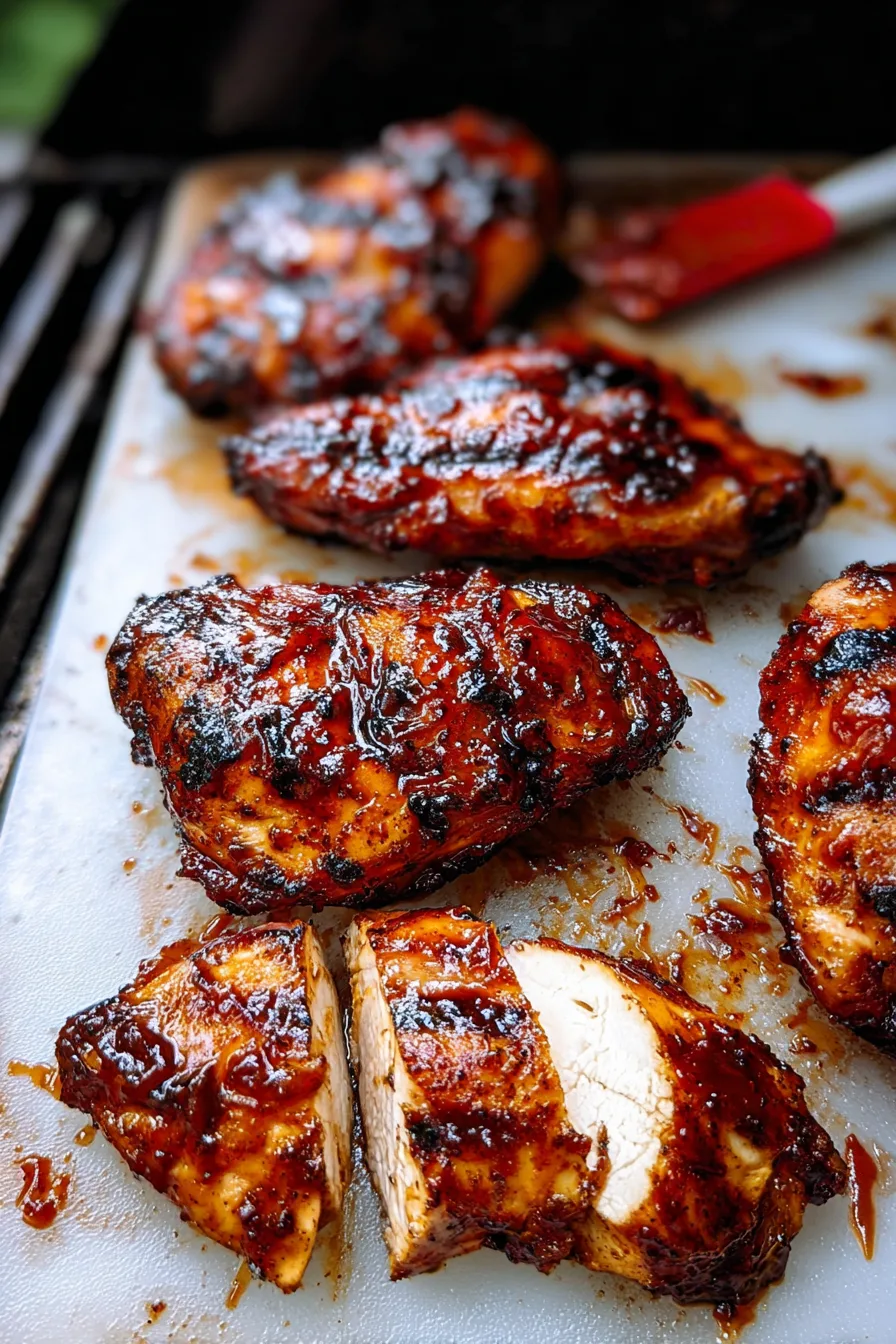
Creating that perfect glossy coating requires applying multiple thin layers of sauce rather than one thick coating that overwhelms the meat. After your initial application, close the lid and let the sauce set for 3-4 minutes before opening to apply another layer, repeating this process three to four times total. Between applications, the sauce caramelizes slightly and becomes tacky, allowing the next layer to adhere better and build up that beautiful shiny finish. Additionally, brushing sauce on both sides ensures complete coverage and balanced flavor throughout each piece of chicken. Some pitmasters like reserving a portion of fresh sauce for serving alongside the finished chicken, providing that bright, fresh sauce flavor to complement the cooked, caramelized glaze on the meat itself.
Oven-Baked Alternative Method
When Grilling Isn’t an Option
While grilling produces authentic smoky flavors and attractive char marks, baking chicken in the oven delivers equally delicious results when weather or equipment limitations prevent outdoor cooking. Preheating your oven to 375°F creates the ideal environment for even cooking without excessive drying, while positioning the rack in the upper third of the oven promotes better browning on the chicken’s surface. Furthermore, arranging chicken pieces on a wire rack set inside a rimmed baking sheet allows air circulation around the meat and prevents the bottom from becoming soggy from rendered fat and juices. Starting chicken in the oven without sauce for the first 30-35 minutes allows the meat to cook through properly before applying BBQ sauce prevents burning and ensures the coating caramelizes beautifully rather than charring.
Finishing Touches for Oven-Baked Chicken
After the initial baking period, brushing on your first layer of BBQ sauce and returning chicken to the oven for 5-minute intervals allows you to build up that glossy coating gradually. Between applications, the high oven heat caramelizes the sugars in the sauce, creating sticky layers that resemble grilled chicken’s appearance and texture. For an extra-crispy finish, many cooks switch to the broiler for the final 2-3 minutes, watching carefully to prevent burning while achieving that restaurant-quality charred edges. However, maintaining a close watch during broiling prevents disasters, as the line between perfectly caramelized and burnt exists in mere seconds under intense top heat. Consequently, staying vigilant during this final step ensures your hard work pays off with stunning presentation.
Flavor Variations and Customizations
Regional BBQ Sauce Styles
Exploring different regional BBQ sauce styles transforms this basic recipe into countless variations that keep meals interesting and showcase America’s diverse barbecue traditions. Kansas City-style sauces, thick and sweet with molasses and tomato bases, create rich, candy-like coatings that appeal to those who love bold, sweet flavors. Meanwhile, Carolina-style vinegar-based sauces offer tangy, spicy profiles that cut through the richness of dark meat beautifully without overwhelming delicate flavors. Similarly, Alabama white sauce made with mayonnaise, vinegar, and spices provides a unique creamy alternative that works particularly well with smoked or grilled chicken breasts. Therefore, experimenting with different sauce styles allows you to discover regional favorites and develop your own signature BBQ chicken recipe that reflects your personal taste preferences.
International Flavor Inspirations
Drawing inspiration from global cuisines elevates traditional grilled chicken into exciting fusion dishes that surprise and delight adventurous eaters. Korean-inspired gochujang glazes combine sweet, spicy, and umami elements that create addictively complex flavors with beautiful reddish coatings. Likewise, Caribbean jerk marinades featuring scotch bonnet peppers, allspice, and thyme deliver intense heat and aromatic complexity that transports taste buds to tropical islands. Additionally, Japanese teriyaki glazes offer sweet-savory profiles with soy sauce and mirin that caramelize beautifully while providing that signature glossy sheen. These international adaptations demonstrate how versatile grilled chicken becomes when you move beyond traditional American BBQ flavors and embrace global culinary traditions.
Serving Suggestions and Side Dishes
Classic BBQ Accompaniments
Pairing BBQ chicken with complementary side dishes rounds out the meal and creates satisfying, well-balanced plates that please crowds at any gathering. Creamy coleslaw provides cool, crunchy contrast to warm, sticky chicken while cutting through richness with tangy dressing that refreshes the palate between bites. Similarly, baked beans offer sweet, savory notes that echo BBQ sauce flavors while adding hearty substance that makes meals more filling. Meanwhile, cornbread serves as the perfect vehicle for soaking up extra sauce and provides slightly sweet, tender crumbs that complement smoky meat beautifully. Furthermore, potato salad, macaroni and cheese, corn on the cob, and pickles all serve as traditional accompaniments that complete authentic American BBQ spreads.
Creative Serving Ideas
Thinking beyond traditional platters opens possibilities for repurposing leftover BBQ chicken into entirely new meals that extend your cooking efforts. Shredding leftover chicken and piling it onto toasted buns creates delicious sandwiches that rival restaurant pulled pork versions in flavor and satisfaction. Additionally, chopping grilled chicken and tossing it with fresh greens, cherry tomatoes, and ranch dressing transforms leftovers into satisfying BBQ chicken salads perfect for lunch. Moreover, adding diced BBQ chicken to quesadillas, nachos, pizzas, or pasta dishes introduces smoky flavors into completely different meal formats that prevent dinner monotony. These creative applications ensure nothing goes to waste while providing convenient meal prep solutions for busy weeknights when cooking from scratch isn’t feasible.
Frequently Asked Questions
How long does it take to cook BBQ chicken on the grill?
Grilling BBQ chicken typically takes 35-45 minutes total, depending on the size and type of chicken pieces you’re cooking. Bone-in, skin-on pieces require more time than boneless cuts, while dark meat generally takes longer than white meat to reach safe internal temperatures.
Can I make BBQ chicken ahead of time?
Absolutely! BBQ chicken actually tastes even better when made ahead, as flavors continue developing while the meat rests.
What’s the best BBQ sauce for chicken?
The best BBQ sauce depends entirely on personal preference, though most people enjoy thick, tomato-based sauces with balanced sweet and tangy flavors for chicken.
Should I remove chicken skin before grilling?
Keeping skin on during grilling provides several benefits including moisture retention, flavor enhancement, and protection from direct heat that might dry out the meat. The skin acts as a natural barrier that bastes the chicken with its own fat while creating that desirable crispy texture many people love.
How do I prevent BBQ sauce from burning?
Preventing burnt BBQ sauce requires applying it only during the final 10-15 minutes of cooking when chicken is nearly done. Since most sauces contain sugar that caramelizes quickly under heat, adding it too early causes burning and bitter flavors.
Conclusion
Mastering the art of making The Best BBQ Chicken transforms ordinary weeknight dinners and weekend gatherings into memorable culinary experiences that bring people together around delicious food. By understanding fundamental techniques like temperature control, proper seasoning, strategic sauce application, and timing, you’ll consistently produce juicy, flavorful chicken with that perfect balance of smoky char and sticky-sweet glaze.
Print
The Best BBQ Chicken
- Total Time: 60 minutes
- Yield: 6 servings 1x
Description
Juicy, tender BBQ chicken with a perfect balance of smoky, sweet, and tangy flavors. This foolproof recipe delivers restaurant-quality results every time with a caramelized glaze and perfectly cooked meat.
Ingredients
- 3–4 pounds chicken pieces (legs, thighs, breasts, wings)
- 2 tablespoons olive oil
- 2 tablespoons brown sugar
- 1 tablespoon paprika
- 2 teaspoons garlic powder
- 2 teaspoons onion powder
- 1 teaspoon ground black pepper
- 1 tablespoon kosher salt
- 1 teaspoon smoked paprika
- 1/2 teaspoon cayenne pepper (optional)
- 2 cups BBQ sauce (your favorite brand)
- 2 tablespoons apple cider vinegar
Instructions
- 1. Pat chicken pieces completely dry with paper towels. In a small bowl, combine brown sugar, paprika, garlic powder, onion powder, black pepper, salt, smoked paprika, and cayenne pepper.
- 2. Brush chicken pieces lightly with olive oil on all sides. Generously apply the dry rub mixture to all surfaces of the chicken, massaging it in gently. Refrigerate for at least 2 hours or overnight.
- 3. Preheat grill to medium heat (350-375°F) or preheat oven to 375°F. For grilling, set up a two-zone fire with direct and indirect heat zones.
- 4. For grilling: Place chicken skin-side down over direct heat. Cook for 5-7 minutes until grill marks appear, then flip and cook another 5-7 minutes. Move to indirect heat zone.
- 5. For oven: Place chicken on a wire rack set on a rimmed baking sheet. Bake for 30-35 minutes.
- 6. In a small bowl, mix BBQ sauce with apple cider vinegar. During the last 10-15 minutes of cooking, brush chicken with sauce. Continue cooking, applying additional sauce layers every 3-4 minutes.
- 7. Cook until internal temperature reaches 165°F in the thickest part of the meat. Apply final coat of sauce and remove from heat.
- 8. Let chicken rest for 5 minutes before serving. Serve with extra BBQ sauce on the side.
Notes
Store leftover BBQ chicken in an airtight container in the refrigerator for up to 3 days. Reheat in a 300°F oven covered with foil, brushing with fresh sauce before warming. Chicken can be frozen for up to 3 months. For extra smoky flavor on a gas grill, add wood chips in a smoker box. This recipe works with any chicken cuts, though bone-in pieces stay juicier.
- Prep Time: 15 minutes
- Cook Time: 45 minutes
- Category: Main Course
- Method: Grilling
- Cuisine: American
Nutrition
- Serving Size: 1 piece (approximately 6 ounces)
- Calories: 385
- Sugar: 11g
- Sodium: 890mg
- Fat: 18g
- Carbohydrates: 14g
- Fiber: 1g
- Protein: 42g