There’s something undeniably comforting about biting into a perfectly crafted tuna salad sandwich. This timeless classic has graced lunch tables, picnic baskets, and office break rooms for generations, and for good reason. Whether you’re looking for a quick weekday meal or planning ahead for meal prep, a tuna salad sandwich delivers protein-packed nutrition wrapped in delicious simplicity.
Understanding the Perfect Tuna Salad Foundation
Choosing Your Tuna Wisely
First things first, let’s talk about the star of the show. The type of tuna you select makes all the difference in your final product. Most home cooks reach for canned tuna packed in water because it’s lighter and allows other flavors to shine through. However, some folks prefer oil-packed tuna for its richer taste and moisture content. Additionally, you’ll want to consider whether to use chunk light or solid white albacore tuna. Chunk light offers a milder flavor and lower mercury content, while albacore provides a firmer texture and more robust taste. Consequently, your choice depends on personal preference and dietary considerations.
The Mayonnaise Debate
Now, here’s where things get interesting. Traditional tuna salad relies heavily on mayonnaise to bind ingredients together and create that creamy texture we all love. Nevertheless, the amount matters tremendously. Too much mayo makes your mixture soupy and overpowering, whereas too little leaves it dry and crumbly. Furthermore, you can experiment with alternatives like Greek yogurt, avocado, or a combination of mayo and sour cream. These substitutions not only reduce calories but also add unique flavors and nutritional benefits to your tuna mixture.
Essential Preparation Techniques
Draining and Flaking Your Tuna
Before you start mixing anything, proper tuna preparation is crucial for achieving the right consistency. Open your cans and drain them thoroughly by pressing the lid down to squeeze out excess liquid. Then, transfer the tuna to a mixing bowl and use a fork to flake it into smaller pieces. Meanwhile, be careful not to over-mash it into a paste. You want distinct flakes that maintain some texture throughout your salad. This step ensures that every bite of your tuna salad sandwich has that perfect combination of creaminess and substance.
Preparing Your Vegetables
Fresh vegetables add essential crunch and flavor contrast to your tuna mixture. Start by finely dicing your celery into small, uniform pieces so they distribute evenly throughout. Similarly, chop your red onion into tiny bits to prevent overwhelming bites of raw onion. Moreover, you can add diced pickles, bell peppers, or even apples for extra texture and sweetness. Remember to pat vegetables dry with paper towels before adding them to prevent excess moisture from making your salad watery. This attention to detail separates good tuna salad from exceptional tuna salad.
Ingredients
| Ingredient | Quantity |
|---|---|
| Canned tuna in water, drained | 2 cans (5 oz each) |
| Mayonnaise | 1/3 cup |
| Celery, finely diced | 1/2 cup |
| Red onion, finely diced | 1/4 cup |
| Fresh lemon juice | 1 tablespoon |
| Dijon mustard | 1 teaspoon |
| Salt | 1/2 teaspoon |
| Black pepper | 1/4 teaspoon |
| Bread slices | 8 slices |
| Lettuce leaves | 4 leaves |
| Tomato slices | 1 large tomato |
Mastering the Flavor Balance
Seasoning Like a Pro
Seasoning transforms ordinary tuna salad into something extraordinary. Beyond basic salt and pepper, fresh lemon juice brightens the entire mixture and cuts through the richness of mayonnaise. Additionally, a small amount of Dijon mustard adds depth and tanginess without being overwhelming. Some people also swear by adding garlic powder, paprika, or even a dash of hot sauce for extra kick. Nevertheless, start with small amounts and taste as you go, adjusting seasonings gradually until you hit that perfect balance.
Achieving the Ideal Consistency
Getting the right texture is an art form that comes with practice. Your tuna salad should be creamy enough to hold together on bread but not so wet that it makes your sandwich soggy. In addition, the mixture should spread easily without falling apart. If your salad seems too dry, add mayonnaise one tablespoon at a time until you reach the desired consistency. Conversely, if it’s too wet, incorporate more flaked tuna or even some breadcrumbs to absorb excess moisture. This balance ensures your sandwich stays intact from first bite to last.
Bread Selection and Assembly
Choosing the Right Bread
Your bread choice can make or break your tuna salad sandwich experience. Classic white bread offers soft, comforting simplicity that many grew up loving. However, whole wheat provides more fiber and nutrition while adding a subtle nutty flavor. Furthermore, sourdough, rye, or multigrain breads introduce complex flavors that complement the tuna beautifully. Some folks prefer toasting their bread lightly to create a barrier against moisture and add textural contrast. Ultimately, your bread selection should enhance rather than overshadow the delicious tuna filling.
Building the Perfect Sandwich
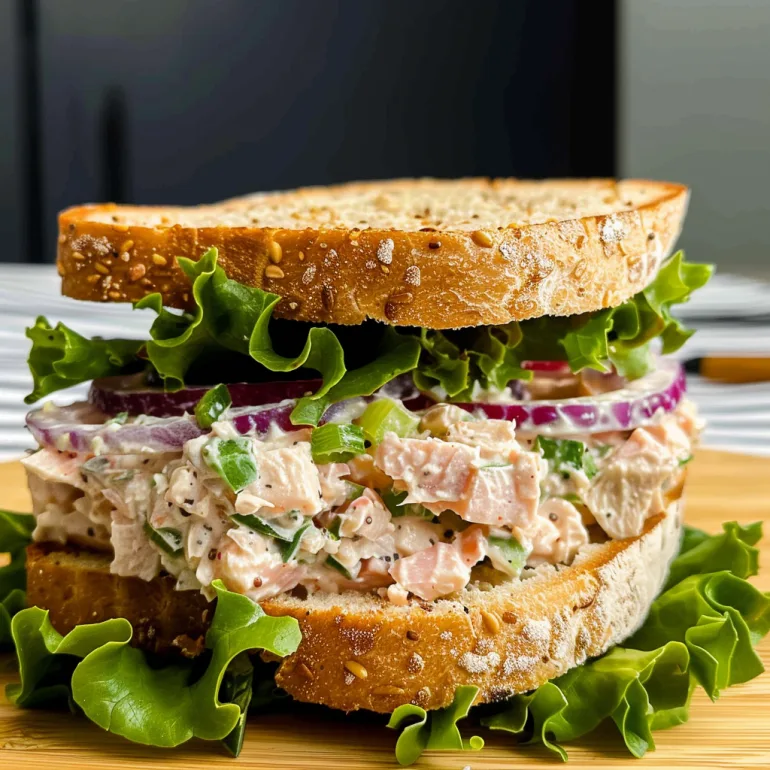
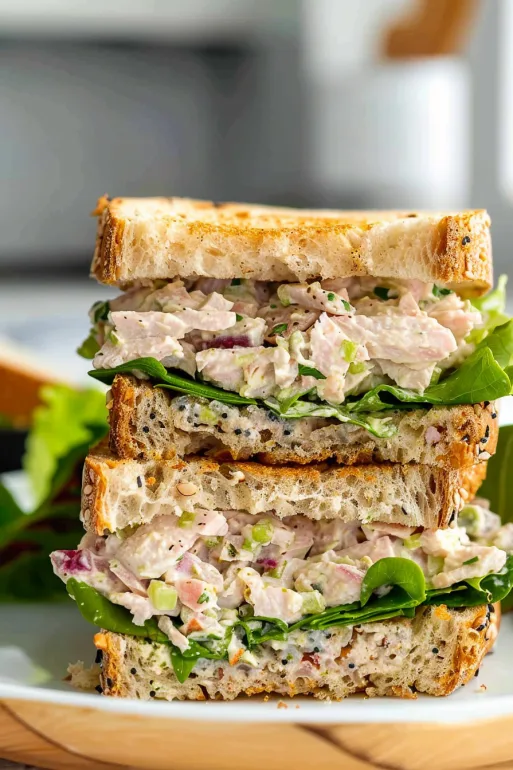
Assembly order matters more than you might think. Start by placing lettuce directly on the bottom slice of bread to create a protective layer between the wet tuna salad and the bread. Then, spread a generous portion of tuna mixture evenly across the lettuce. Next, add tomato slices on top of the tuna, followed by any additional toppings like cheese, avocado, or sprouts. Finally, crown your creation with the top bread slice. This strategic layering prevents soggy bread and ensures structural integrity until you’re ready to dig in.
Creative Variations to Try
Mediterranean-Style Tuna Salad
Transform your basic recipe into a Mediterranean masterpiece by incorporating olives, capers, sun-dried tomatoes, and feta cheese. Replace some of the mayonnaise with olive oil and add fresh herbs like basil or oregano. This variation brings bright, briny flavors that transport your taste buds straight to the Greek islands. Moreover, serving it on pita bread or ciabatta rolls complements the Mediterranean theme perfectly. This version works wonderfully as a lighter, more sophisticated lunch option that still satisfies completely.
Spicy Southwest Tuna
For those who crave heat and bold flavors, try a Southwest-inspired version. Mix in diced jalapeños, corn kernels, black beans, and a sprinkle of cumin. Subsequently, swap regular mayo for chipotle mayo or add some hot sauce and lime juice. Top your sandwich with pepper jack cheese and serve on toasted bread for an exciting twist on the classic. This variation proves that tuna salad doesn’t have to be boring or predictable. Instead, it can be a canvas for creative flavor experimentation.
Storage and Meal Prep Tips
Proper Storage Methods
Storing your tuna salad correctly ensures it stays fresh and safe to eat. Keep your prepared tuna mixture in an airtight container in the refrigerator for up to three days. However, always store the tuna salad separately from bread and vegetables to maintain optimal freshness. Furthermore, give it a good stir before using, as ingredients may separate during storage. Never leave tuna salad at room temperature for more than two hours, as this creates perfect conditions for bacterial growth. Following these guidelines keeps your lunch prep game strong all week long.
Meal Prep Strategies
Planning ahead makes weekday lunches effortless and stress-free. Prepare a large batch of tuna salad on Sunday and portion it into individual containers for grab-and-go convenience. Meanwhile, keep your bread, lettuce, and tomatoes separate until assembly time. You can also pre-wash and dry your lettuce, storing it with paper towels to absorb moisture. Additionally, consider preparing other toppings in advance so you can customize each sandwich differently throughout the week. This approach saves time while preventing lunch boredom.
Frequently Asked Questions
How long does tuna salad last in the refrigerator?
Properly stored tuna salad stays fresh for three to five days in an airtight container in the refrigerator. Always check for any off smells or discoloration before eating, and when in doubt, throw it out.
Can I freeze tuna salad for later use?
Unfortunately, freezing tuna salad isn’t recommended because mayonnaise separates and becomes watery when thawed, creating an unappetizing texture.
What’s the best way to prevent soggy sandwich bread?
The key to preventing soggy bread is creating a moisture barrier. Place lettuce leaves directly on the bread before adding tuna salad, and toast your bread lightly.
Can I make tuna salad without mayonnaise?
Absolutely! Greek yogurt, mashed avocado, hummus, or a combination of olive oil and lemon juice all work wonderfully as mayo alternatives.
What other ingredients can I add to tuna salad?
The possibilities are endless! Try adding hard-boiled eggs, diced pickles, shredded carrots, chopped bell peppers, fresh herbs, capers, olives, or even diced apples for sweetness.
Conclusion
Creating the perfect tuna salad sandwich isn’t rocket science, but it does require attention to detail and quality ingredients. From selecting the right tuna to mastering the ideal mayo-to-tuna ratio, each step contributes to the final delicious result.
Print
Tuna Salad Sandwich
- Total Time: 10 minutes
- Yield: 4 sandwiches 1x
Description
A classic, protein-packed tuna salad sandwich with crisp celery, creamy mayo, and fresh vegetables. Perfect for lunch, picnics, or meal prep.
Ingredients
- 2 cans (5 oz each) tuna in water, drained
- 1/3 cup mayonnaise
- 1/2 cup celery, finely diced
- 1/4 cup red onion, finely diced
- 1 tablespoon fresh lemon juice
- 1 teaspoon Dijon mustard
- 1/2 teaspoon salt
- 1/4 teaspoon black pepper
- 8 slices bread
- 4 lettuce leaves
- 1 large tomato, sliced
Instructions
- 1. Drain the tuna cans thoroughly by pressing the lid down to remove excess liquid. Transfer tuna to a medium mixing bowl and flake with a fork into small pieces.
- 2. Add mayonnaise, finely diced celery, red onion, lemon juice, Dijon mustard, salt, and black pepper to the bowl with tuna.
- 3. Mix all ingredients together until well combined and creamy, ensuring even distribution of vegetables and seasonings throughout.
- 4. Taste and adjust seasonings as needed, adding more salt, pepper, or lemon juice to your preference.
- 5. Place a lettuce leaf on each bottom bread slice to create a moisture barrier.
- 6. Divide tuna salad mixture evenly among four sandwiches, spreading generously over the lettuce.
- 7. Top with fresh tomato slices and remaining bread slices.
- 8. Cut sandwiches in half diagonally and serve immediately, or wrap tightly for later enjoyment.
Notes
Store leftover tuna salad separately from bread in an airtight container in the refrigerator for up to 3 days. For best results, assemble sandwiches just before serving. Can substitute Greek yogurt for half the mayonnaise for a lighter option. Add diced pickles, hard-boiled eggs, or fresh herbs for variations.
- Prep Time: 10 minutes
- Cook Time: 0 minutes
- Category: Sandwich
- Method: No-Cook
- Cuisine: American
Nutrition
- Serving Size: 1 sandwich
- Calories: 385
- Sugar: 5g
- Sodium: 745mg
- Fat: 18g
- Carbohydrates: 32g
- Fiber: 3g
- Protein: 24g