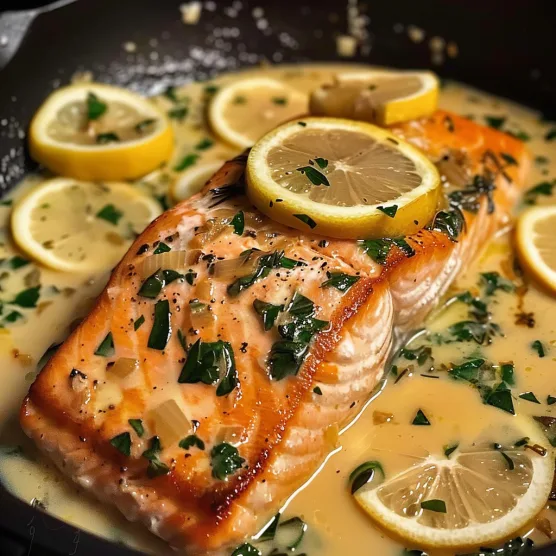
If you’re searching for a restaurant-quality dinner that comes together in under 30 minutes, this Creamy Lemon Garlic Salmon Piccata is your answer. Picture perfectly seared salmon fillets draped in a silky, tangy sauce that combines the brightness of fresh lemon with the richness of cream and the punch of garlic. This dish transforms simple ingredients into something extraordinary, making it ideal for busy weeknights or special occasions when you want to impress without stress.
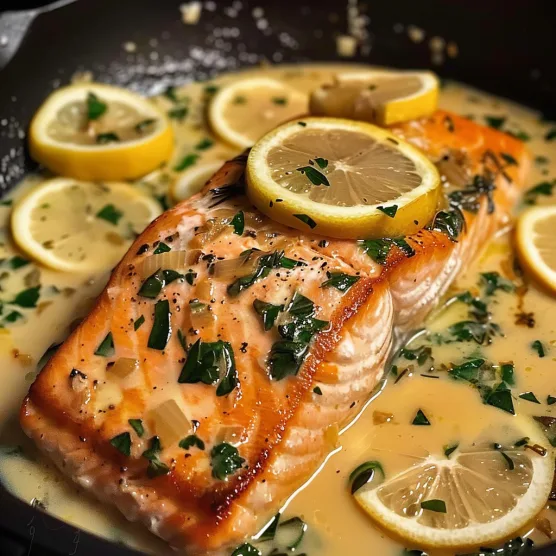
Understanding the Magic Behind Salmon Piccata
The Italian-Inspired Origins
Traditionally, piccata refers to an Italian preparation method where meat is sliced thin, dredged in flour, and cooked in a lemony sauce with capers. While chicken piccata reigns supreme in Italian-American cuisine, salmon piccata offers a delightful twist that brings together seafood and classic flavors. The technique translates beautifully to salmon because the fish’s natural richness stands up wonderfully to the bright, acidic sauce. Moreover, salmon’s firm texture holds up during cooking without falling apart, making it perfect for this preparation style.
Why This Recipe Works So Well
This particular version elevates the traditional piccata by incorporating heavy cream, which mellows the tartness of lemon while creating a luxurious, velvety texture. The cream acts as a bridge between the bold flavors, ensuring nothing overwhelms your palate. Additionally, the garlic content is generous but not overpowering, infusing every bite with aromatic depth. The capers provide briny pops of flavor that cut through the richness, creating a perfectly balanced dish. As a result, you get a restaurant-caliber meal that’s surprisingly simple to execute at home.
Selecting the Perfect Salmon
Fresh Versus Frozen Considerations
When shopping for salmon, you’ll face the fresh versus frozen debate. Honestly, high-quality frozen salmon can be just as good as fresh, especially if it was flash-frozen shortly after being caught. Look for fillets with vibrant color—whether pink, orange, or red—and avoid any with brown spots or strong fishy odors. If buying fresh, press the flesh gently; it should spring back immediately. Conversely, if it leaves an indentation, the fish isn’t at peak freshness. Wild-caught Alaskan salmon offers robust flavor and sustainable sourcing, while farm-raised Atlantic salmon tends to be milder and fattier.
Portion Sizing and Preparation Tips
For this Creamy Lemon Garlic Salmon Piccata, six-ounce fillets work beautifully, providing a satisfying portion without being overwhelming. Before cooking, pat the salmon completely dry with paper towels—this step is crucial for achieving that gorgeous golden crust. Furthermore, remove any pin bones using tweezers or needle-nose pliers by running your fingers along the flesh to locate them. If your fillets have skin, you can leave it on for extra flavor and to help the fish hold together during cooking, though skinless works perfectly fine as well.
Ingredients
| Ingredient | Quantity |
|---|---|
| Salmon fillets (skin-on or skinless) | 4 pieces (6 oz each) |
| All-purpose flour | 1/3 cup |
| Olive oil | 2 tablespoons |
| Unsalted butter | 3 tablespoons |
| Garlic cloves, minced | 5 cloves |
| Heavy cream | 1 cup |
| Fresh lemon juice | 1/4 cup |
| Lemon zest | 1 tablespoon |
| Capers, drained | 3 tablespoons |
| White wine or chicken broth | 1/2 cup |
| Fresh parsley, chopped | 1/4 cup |
| Salt | To taste |
| Black pepper | To taste |
Mastering the Cooking Technique
Achieving the Perfect Sear
The key to exceptional salmon lies in getting a beautiful sear without overcooking the interior. Start by heating your skillet over medium-high heat until it’s properly hot—a drop of water should sizzle and evaporate immediately. Lightly dredge the salmon in flour seasoned with salt and pepper, shaking off excess. This creates a delicate coating that promotes browning and helps thicken the sauce later. Place the fillets in the hot oil presentation-side down first, and resist the urge to move them. After about four minutes, they should release easily and display a gorgeous golden crust.
Temperature Control and Doneness
Salmon continues cooking after you remove it from heat, so slightly undercooking is actually wise. The FDA recommends an internal temperature of 145°F, but many chefs prefer pulling salmon at 125-130°F for a slightly translucent center that’s incredibly moist. Use an instant-read thermometer inserted into the thickest part for accuracy. Once you flip the fillets, cook for just two to three minutes more, then transfer them to a plate. They’ll finish cooking while you prepare the creamy lemon garlic sauce, ensuring perfectly cooked fish that’s tender and flaky.
Crafting the Signature Sauce
Building Layers of Flavor
After removing the salmon, the same pan becomes your sauce-making vessel, capturing all those flavorful browned bits. Reduce the heat to medium and add butter, letting it melt completely. Toss in the minced garlic and sauté for about 60 seconds until fragrant but not browned—burned garlic turns bitter and ruins the sauce. Next, pour in the white wine or chicken broth to deglaze the pan, scraping up the fond with a wooden spoon. This technique incorporates concentrated flavor into your sauce. Let the liquid reduce by half, which intensifies the taste and ensures your sauce won’t be watery.
Creating the Creamy Consistency
Once the wine reduces, stir in the heavy cream, lemon juice, lemon zest, and capers. The cream should be at room temperature to prevent curdling when it hits the hot pan. Bring the mixture to a gentle simmer, stirring occasionally. As it heats, the sauce will naturally thicken from the flour residue left by the salmon and from the cream itself. Season with salt and pepper, tasting as you go. The sauce should taste bright and tangy with underlying richness—if it’s too acidic, add a touch more cream; if it’s too rich, add another squeeze of lemon. Finally, return the salmon to the pan, spooning sauce over the top, and let everything warm through for two minutes.
Serving Suggestions and Pairings
Complementary Side Dishes
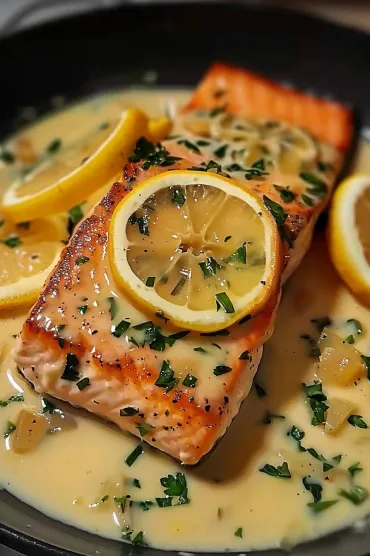
This piccata sauce is so delicious that you’ll want sides that can soak it up. Creamy mashed potatoes or garlic herb mashed cauliflower make excellent choices, providing a neutral base that highlights the sauce. Alternatively, serve over angel hair pasta, rice pilaf, or quinoa for a heartier meal. For vegetables, consider roasted asparagus, sautéed green beans, or steamed broccolini—their slight bitterness balances the cream beautifully. A simple arugula salad dressed with olive oil and lemon provides freshness and peppery contrast. Meanwhile, crusty bread is absolutely essential for mopping up every last drop of that incredible sauce.
Wine Pairing Recommendations
When selecting wine, look for something that complements the dish’s bright, creamy character. A crisp Sauvignon Blanc with citrus notes echoes the lemon in the sauce while cutting through the richness. Alternatively, an unoaked Chardonnay offers enough body to match the cream without overwhelming the delicate salmon. For those who prefer sparkling wine, Prosecco or Champagne provides refreshing acidity that cleanses the palate between bites. If you’re a red wine enthusiast, choose a light-bodied Pinot Noir served slightly chilled—its subtle earthiness pairs surprisingly well with salmon without overpowering the dish’s nuanced flavors.
Storage and Meal Prep Tips
Proper Storage Methods
Leftover salmon piccata keeps well in an airtight container in the refrigerator for up to three days. Store the fish and sauce together to prevent the salmon from drying out. When reheating, use gentle heat to avoid overcooking the fish further—either warm it in a covered skillet over low heat or microwave at 50% power in short intervals. The sauce may separate slightly during storage but will come back together when heated. For best results, let the leftovers come to room temperature for 15 minutes before reheating. Freezing isn’t recommended because the cream-based sauce tends to break and become grainy upon thawing.
Make-Ahead Strategies
While this dish is quick enough for weeknight cooking, you can prepare components ahead. Measure and prep all ingredients in the morning, storing them in the refrigerator. The sauce can be made up to two hours in advance and kept warm over very low heat, though it’s best prepared fresh. If entertaining, cook the salmon to about 80% doneness, then finish it in the sauce just before serving. This approach lets you handle the messy searing earlier while ensuring perfectly cooked fish at dinner time. Pat the salmon dry and season it the night before, covering it tightly, so you’re ready to cook immediately when needed.
Frequently Asked Questions
Can I use a different type of fish for this recipe?
Absolutely. While salmon works wonderfully, this creamy lemon garlic sauce pairs beautifully with other firm fish varieties. Try halibut, cod, sea bass, or even large shrimp for delicious variations. The cooking time may need adjustment depending on the thickness of your chosen seafood.
What can I substitute for heavy cream to make it lighter?
For a lighter version, half-and-half works reasonably well, though the sauce won’t be quite as rich and may be slightly thinner. Greek yogurt stirred in at the end provides tang and creaminess with fewer calories, but add it off the heat to prevent curdling. Coconut cream offers a dairy-free alternative that’s still luxuriously thick.
How do I prevent the salmon from sticking to the pan?
Sticking usually happens when the pan isn’t hot enough or the fish is moved too soon. Make sure your skillet reaches proper temperature before adding the salmon—it should sizzle immediately upon contact. Use enough oil to coat the bottom generously, and most importantly, let the fish cook undisturbed.
Can I make this recipe without wine?
Yes, you can easily omit the wine. Substitute with an equal amount of low-sodium chicken broth or vegetable broth for depth of flavor. To mimic wine’s acidity, add an extra tablespoon of lemon juice or a splash of white wine vinegar to the broth.
What’s the best way to remove salmon skin after cooking?
If you cooked skin-on salmon and want to remove it before serving, simply slide a thin spatula between the flesh and skin while the fish is still warm. The cooked skin should peel away cleanly in one piece.
Conclusion
This Creamy Lemon Garlic Salmon Piccata represents everything a perfect weeknight dinner should be—quick, impressive, and absolutely delicious. The combination of perfectly seared salmon with a luxurious, tangy sauce creates a meal that feels special without requiring advanced cooking skills or hours in the kitchen.
Print
Creamy Lemon Garlic Salmon Piccata
- Total Time: 30 minutes
- Yield: 4 servings 1x
Description
Restaurant-quality salmon with a silky lemon garlic cream sauce, capers, and fresh herbs ready in just 30 minutes
Ingredients
- 4 salmon fillets (6 oz each)
- 1/3 cup all-purpose flour
- 2 tablespoons olive oil
- 3 tablespoons unsalted butter
- 5 garlic cloves, minced
- 1 cup heavy cream
- 1/4 cup fresh lemon juice
- 1 tablespoon lemon zest
- 3 tablespoons capers, drained
- 1/2 cup white wine or chicken broth
- 1/4 cup fresh parsley, chopped
- Salt and black pepper to taste
Instructions
- 1. Pat salmon fillets completely dry with paper towels. Season both sides with salt and pepper, then lightly dredge in flour, shaking off excess.
- 2. Heat olive oil in a large skillet over medium-high heat. Once hot, add salmon and cook for 4 minutes without moving until golden brown. Flip and cook 2-3 minutes more. Transfer to a plate.
- 3. Reduce heat to medium and add butter to the same pan. Once melted, add minced garlic and sauté for 60 seconds until fragrant.
- 4. Pour in white wine or broth, scraping up browned bits from the pan bottom. Let reduce by half, about 2-3 minutes.
- 5. Stir in heavy cream, lemon juice, lemon zest, and capers. Bring to a gentle simmer and cook for 3-4 minutes until slightly thickened.
- 6. Return salmon to the pan, spooning sauce over the top. Cook for 2 minutes to warm through. Garnish with fresh parsley and serve immediately.
Notes
Store leftovers in an airtight container in the refrigerator for up to 3 days. Reheat gently over low heat. Best served over pasta, rice, or with crusty bread to soak up the delicious sauce.
- Prep Time: 10 minutes
- Cook Time: 20 minutes
- Category: Main Course
- Method: Pan-Seared
- Cuisine: Italian-American
Nutrition
- Serving Size: 1 fillet with sauce
- Calories: 520
- Sugar: 2g
- Sodium: 380mg
- Fat: 36g
- Carbohydrates: 11g
- Fiber: 1g
- Protein: 42g