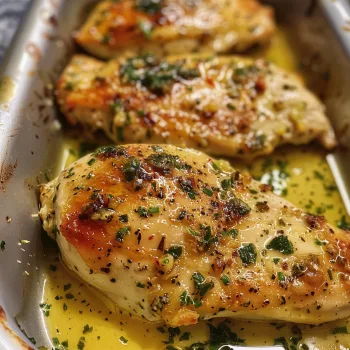
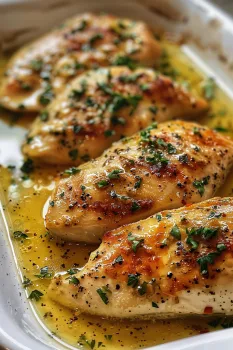
There’s something magical about the combination of garlic and butter melting over perfectly baked chicken breast. This Garlic Butter Baked Chicken Breast Recipe transforms ordinary chicken into an extraordinary meal that’s both simple to prepare and restaurant-quality delicious. Whether you’re cooking for your family on a busy weeknight or preparing an impressive dish for guests, this recipe delivers tender, juicy chicken every single time.
Essential Preparation Techniques
Preparing the Chicken Breasts Properly
Proper preparation determines whether your chicken turns out perfectly or disappointingly dry. Start by removing the chicken from the refrigerator about 20 minutes before cooking, allowing it to come closer to room temperature. This step ensures even cooking throughout. Next, pat each breast completely dry with paper towels because moisture on the surface prevents proper browning. If your chicken breasts are unusually thick or uneven, consider butterflying them or pounding them to an even thickness of about one inch. This technique guarantees uniform cooking and prevents thin parts from drying out while thick sections reach safe temperatures. Season the chicken on both sides, pressing the spices gently into the meat so they adhere properly rather than falling off during baking.
Creating the Perfect Garlic Butter Mixture
The garlic butter sauce makes this recipe truly special, so preparing it correctly matters tremendously. Use softened butter rather than melted, as it should have a spreadable consistency that clings to the chicken. Mince the garlic finely to distribute the flavor evenly and prevent large chunks from burning. Combine the butter, minced garlic, chopped parsley, lemon juice, and half the seasonings in a bowl, mixing thoroughly until everything blends smoothly. The mixture should look pale green from the parsley and smell incredibly aromatic. Let this mixture sit for about ten minutes if possible, allowing the flavors to meld together. This resting period intensifies the garlic flavor and ensures the butter absorbs all the wonderful aromatics you’ve added.
Ingredients
| Ingredient | Quantity |
|---|---|
| Boneless, skinless chicken breasts | 4 pieces (6-8 oz each) |
| Unsalted butter, softened | 6 tablespoons |
| Fresh garlic cloves, minced | 6 cloves |
| Fresh parsley, chopped | 3 tablespoons |
| Fresh lemon juice | 2 tablespoons |
| Olive oil | 2 tablespoons |
| Paprika | 1 teaspoon |
| Onion powder | 1 teaspoon |
| Salt | 1 teaspoon |
| Black pepper | 1/2 teaspoon |
| Italian seasoning | 1 teaspoon |
Step-by-Step Baking Instructions
Getting Your Oven and Pan Ready
Setting up your cooking environment correctly sets you up for success from the start. Preheat your oven to 400 degrees Fahrenheit, which provides the ideal temperature for baking chicken breasts. While the oven heats, prepare a baking dish by lightly coating it with olive oil or non-stick spray. Choose a dish that fits the chicken snugly without crowding; the breasts should sit close together but not overlap. A dish that’s too large allows the garlic butter to spread thin and potentially burn. Line the dish with parchment paper if you prefer easier cleanup, though this step is optional. Position your oven rack in the center position, ensuring even heat distribution around the chicken. Having everything ready before you start cooking makes the process smooth and stress-free.
Baking Process and Temperature Control
Place the seasoned chicken breasts in your prepared baking dish, arranging them evenly with space between each piece. Spread the garlic butter mixture generously over the top of each breast, using about two tablespoons per piece. Don’t worry about being too precise; the butter will melt and spread during cooking anyway. Slide the dish into your preheated oven and set a timer for 20 minutes. After this initial baking period, carefully remove the dish and baste the chicken with the melted garlic butter that’s accumulated in the pan. This basting step adds extra flavor and moisture. Return the dish to the oven and continue baking for another 8 to 12 minutes, depending on thickness. The chicken is done when an instant-read thermometer inserted into the thickest part reads 165 degrees Fahrenheit. Let the chicken rest for five minutes before serving, allowing the juices to redistribute.
Common Mistakes to Avoid
Overcooking and Temperature Issues
Overcooking represents the most common problem when preparing baked chicken breast. Many home cooks, worried about food safety, leave chicken in the oven too long, resulting in dry, tough meat. Remember that chicken continues cooking slightly after you remove it from the oven due to carryover heat. Therefore, removing it at exactly 165 degrees Fahrenheit yields perfectly cooked chicken after resting. Another frequent mistake involves starting with cold chicken straight from the refrigerator. Cold chicken cooks unevenly, with the exterior finishing before the interior reaches a safe temperature. Additionally, avoid opening the oven door repeatedly to check on the chicken, as this causes temperature fluctuations that extend cooking time. Invest in a good instant-read thermometer; it’s the only reliable way to know when your chicken is perfectly done.
Seasoning and Flavor Missteps
Under-seasoning chicken breast is surprisingly common because people fear using too much salt. However, chicken breast is relatively bland on its own and needs adequate seasoning to shine. Season both sides of the chicken, not just the top, and don’t forget to season before adding the garlic butter. Another mistake involves using pre-minced garlic from a jar instead of fresh cloves. Fresh garlic provides a cleaner, more vibrant flavor that’s essential to this recipe. Some cooks also skimp on the butter, thinking they’re making the dish healthier, but this compromises both flavor and moisture. The butter serves a functional purpose beyond taste. Finally, avoid using dried parsley instead of fresh; the difference in flavor and appearance is significant enough to warrant a trip to the store for fresh herbs.
Variations and Customization Ideas
Flavor Variations to Try
Once you’ve mastered the basic garlic butter baked chicken breast recipe, experimenting with variations keeps meals exciting. Try adding a Mediterranean twist by incorporating sun-dried tomatoes, kalamata olives, and feta cheese during the last five minutes of baking. For an Asian-inspired version, substitute the Italian seasoning with ginger, add a splash of soy sauce to the butter mixture, and garnish with green onions. A creamy mushroom variation works beautifully by sautéing sliced mushrooms in butter before pouring them over the chicken halfway through baking. If you love spice, add red pepper flakes or cayenne pepper to the garlic butter for a kick. Alternatively, create a herb-crusted version by mixing breadcrumbs with Parmesan cheese and pressing this mixture onto the buttered chicken before baking. Each variation maintains the core concept while offering completely different flavor profiles.
Dietary Modifications and Substitutions
Adapting this recipe to meet various dietary needs is easier than you might think. For a dairy-free version, substitute the butter with ghee or a high-quality olive oil, though the flavor will differ slightly. Those following a low-carb or keto diet will find this recipe already fits perfectly into their meal plan. If you’re watching calories, you can reduce the butter to four tablespoons instead of six, though the chicken won’t be quite as rich. For added nutrition, stuff the chicken breasts with spinach and a small amount of cream cheese before applying the garlic butter. Gluten-free eaters can enjoy this recipe exactly as written since it contains no wheat products. If fresh herbs aren’t available, use one tablespoon of dried Italian herbs, but add them to the butter mixture early so they can rehydrate slightly. These modifications ensure everyone can enjoy this delicious meal regardless of dietary restrictions.
Serving Suggestions and Pairings
Best Side Dishes to Serve
Choosing the right accompaniments transforms this chicken into a complete, satisfying meal. Roasted vegetables like asparagus, Brussels sprouts, or green beans complement the garlic butter beautifully. Simply toss vegetables in olive oil and seasonings, then roast them alongside the chicken for convenience. Creamy mashed potatoes soak up the delicious garlic butter sauce wonderfully, creating comfort food at its finest. For a lighter option, serve the chicken over a bed of mixed greens with a lemon vinaigrette that echoes the citrus notes in the dish. Rice pilaf makes an elegant pairing that absorbs the flavorful pan juices. Alternatively, crusty bread allows you to mop up every drop of that incredible garlic butter sauce. Grilled zucchini, cauliflower rice, or a simple pasta tossed in olive oil all work exceptionally well. The key is choosing sides that either complement the rich flavors or provide a fresh contrast.
Presentation and Garnishing Tips
Presenting your garlic butter baked chicken attractively makes the meal feel special, even on weeknights. Slice the chicken on a bias before plating to showcase the juicy interior and create visual appeal. Drizzle any remaining garlic butter from the pan over the sliced chicken for extra shine and flavor. Garnish with additional fresh parsley or a sprinkle of paprika for a pop of color. A lemon wedge on the side allows diners to add extra brightness if desired. Consider serving the chicken on a warm platter rather than straight from the baking dish for a more refined presentation. If entertaining, fan the sliced chicken over your chosen side dish for a restaurant-style appearance. These simple touches elevate the dish from everyday dinner to something that looks like it came from a professional kitchen, impressing family and guests alike.
Storage, Reheating, and Meal Prep
Proper Storage Methods
Storing leftover garlic butter chicken correctly maintains its quality for future meals. Allow the chicken to cool to room temperature, but don’t leave it out for more than two hours to prevent bacterial growth. Transfer the chicken to an airtight container, including any remaining garlic butter sauce, which helps keep the meat moist. Stored properly in the refrigerator, the chicken stays fresh for three to four days. For longer storage, freeze the chicken in individual portions wrapped tightly in plastic wrap, then placed in freezer bags. Frozen garlic butter chicken maintains its quality for up to three months. Label containers with the date to track freshness. When freezing, slightly undercook the chicken by a few degrees since reheating will finish the cooking process. This strategy prevents the dreaded dry, overcooked texture that sometimes occurs with reheated chicken.
Reheating Without Drying Out
Reheating chicken breast without turning it into shoe leather requires gentle heat and added moisture. The microwave, while convenient, often yields rubbery results, so avoid it if possible. Instead, preheat your oven to 350 degrees Fahrenheit and place the chicken in a baking dish. Add a tablespoon or two of chicken broth or water to the bottom of the dish, cover tightly with foil, and heat for about 15 minutes until warmed through. This method creates steam that keeps the chicken moist. Alternatively, slice the cold chicken and reheat it in a skillet over medium-low heat with a little butter or olive oil. This technique works particularly well for making quesadillas, salads, or sandwiches with leftover chicken. For frozen chicken, thaw it overnight in the refrigerator before reheating. Never refreeze previously frozen chicken, as this compromises both safety and quality.
Frequently Asked Questions
How long should I bake chicken breast at 400 degrees?
At 400 degrees Fahrenheit, chicken breasts typically take 25 to 30 minutes to bake completely, depending on their thickness. Always use a meat thermometer to verify the internal temperature reaches 165 degrees Fahrenheit at the thickest part.
Can I use frozen chicken breasts for this recipe?
While you can technically use frozen chicken, it’s not recommended for best results. Frozen chicken releases excess moisture during cooking, which can make the dish watery and prevent proper browning.
What’s the best way to keep chicken breast moist while baking?
Keeping chicken breast moist involves several techniques working together. First, don’t overcook the chicken; remove it at exactly 165 degrees Fahrenheit. The generous garlic butter coating creates a protective layer that seals in moisture.
Can I prepare the garlic butter mixture ahead of time?
Absolutely! The garlic butter mixture actually tastes better when made ahead because the flavors have time to meld together. Prepare it up to two days in advance and store it covered in the refrigerator.
What should I do if my chicken breasts are different sizes?
When working with different-sized chicken breasts, you have several options. The easiest solution is to pound thicker breasts to match the thinner ones, creating uniform thickness.
Conclusion
This garlic butter baked chicken breast recipe proves that simple ingredients, when combined thoughtfully and cooked properly, create extraordinary results. The tender, juicy chicken infused with aromatic garlic and rich butter delivers restaurant-quality flavor without complicated techniques or hard-to-find ingredients. Throughout this guide, we’ve covered everything from selecting and preparing your chicken to avoiding common mistakes and customizing the recipe to suit your preferences.
Print
Garlic Butter Baked Chicken Breast Recipe
- Total Time: 45 minutes
- Yield: 4 servings 1x
Description
Tender, juicy chicken breasts baked to perfection with a luxurious garlic butter sauce that creates restaurant-quality flavor in your home kitchen
Ingredients
- 4 boneless, skinless chicken breasts (6–8 oz each)
- 6 tablespoons unsalted butter, softened
- 6 cloves fresh garlic, minced
- 3 tablespoons fresh parsley, chopped
- 2 tablespoons fresh lemon juice
- 2 tablespoons olive oil
- 1 teaspoon paprika
- 1 teaspoon onion powder
- 1 teaspoon salt
- 1/2 teaspoon black pepper
- 1 teaspoon Italian seasoning
Instructions
- 1. Preheat oven to 400°F and lightly grease a baking dish with olive oil.
- 2. Pat chicken breasts dry with paper towels and season both sides with salt, pepper, paprika, onion powder, and half the Italian seasoning.
- 3. In a bowl, combine softened butter, minced garlic, chopped parsley, lemon juice, and remaining Italian seasoning, mixing until well blended.
- 4. Arrange chicken breasts in the prepared baking dish, leaving space between each piece.
- 5. Spread garlic butter mixture generously over the top of each chicken breast, using about 2 tablespoons per piece.
- 6. Bake for 20 minutes, then remove and baste chicken with the melted garlic butter from the pan.
- 7. Return to oven and bake for an additional 8-12 minutes until internal temperature reaches 165°F.
- 8. Let chicken rest for 5 minutes before serving to allow juices to redistribute.
Notes
Store leftovers in an airtight container in the refrigerator for up to 4 days. Reheat gently in a covered dish at 350°F with added broth to maintain moisture. Serve with roasted vegetables, mashed potatoes, or rice pilaf for a complete meal.
- Prep Time: 15 minutes
- Cook Time: 30 minutes
- Category: Main Course
- Method: Baking
- Cuisine: American
Nutrition
- Serving Size: 1 chicken breast
- Calories: 385
- Sugar: 1g
- Sodium: 685mg
- Fat: 21g
- Carbohydrates: 3g
- Fiber: 0g
- Protein: 48g