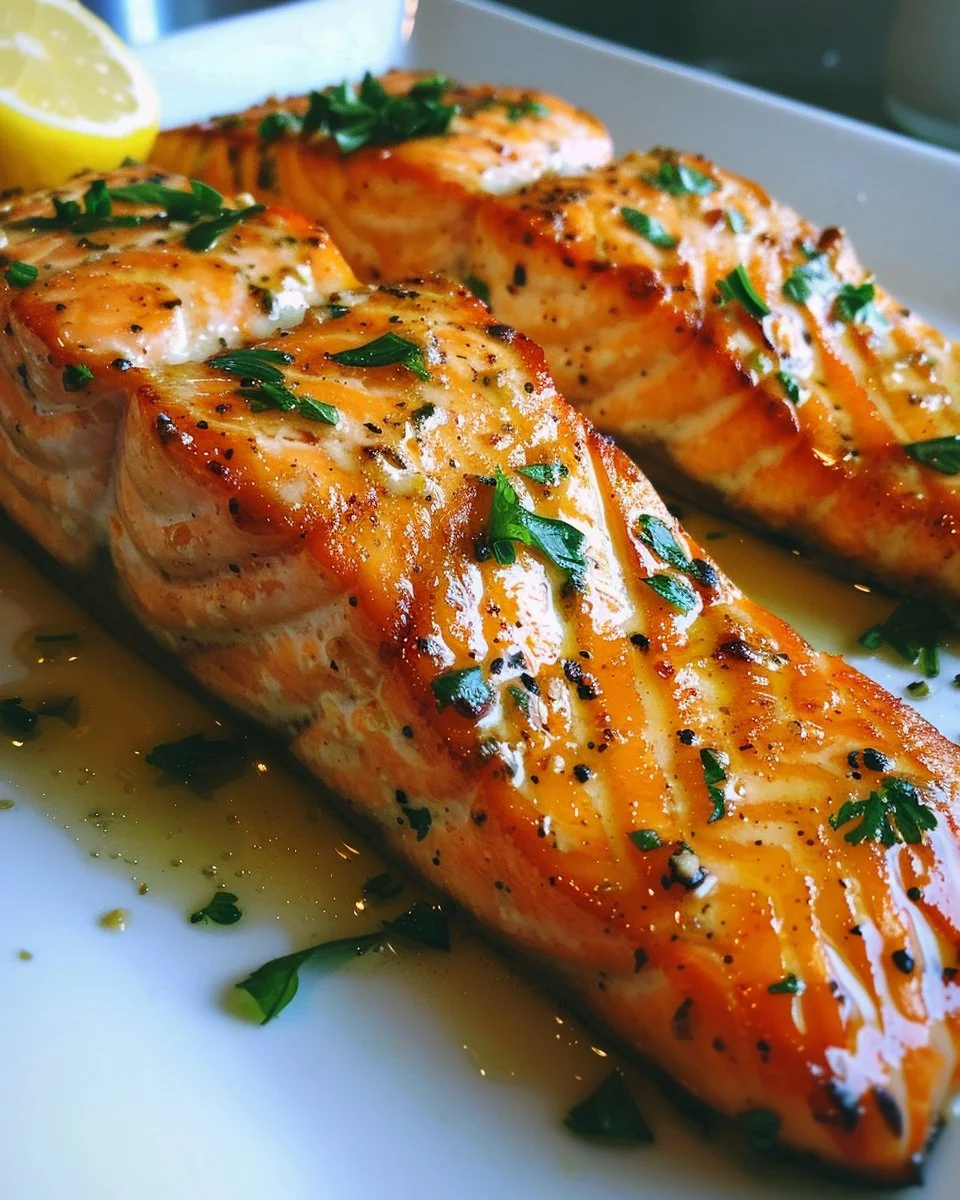
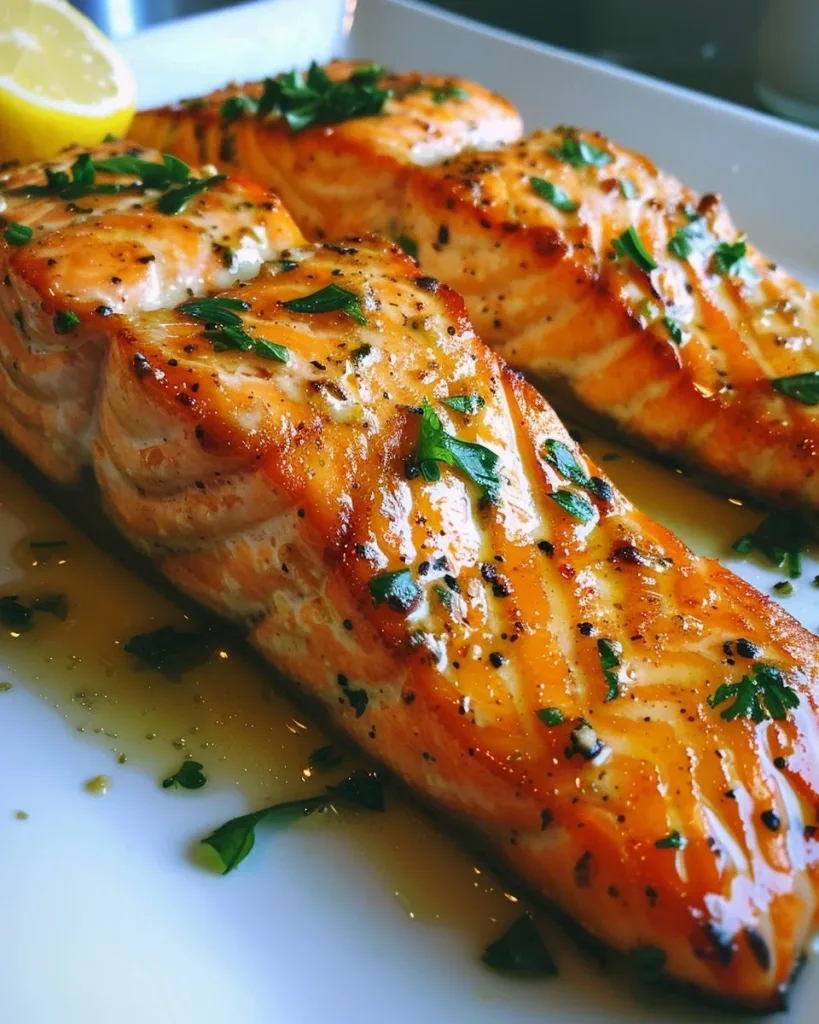
Baked salmon is a delight that’s hard to beat, especially when you’re looking for a meal that is both healthy and wholesome. Ever wandered into a Texas Roadhouse and marveled at the vibrant flavors of their baked salmon? Well, you’re in for a treat. This blog post will take you through a mouthwatering journey towards replicating that Texas Roadhouse-style experience right in your own kitchen. Get ready to savor the deliciousness!
Ingredients
To recreate the Texas Roadhouse-Style Baked Salmon, you’ll need to gather the following ingredients. The freshness of the ingredients truly lifts this dish:
- 4 salmon fillets (skinless or skin-on, as per preference)
- 1 tablespoon olive oil
- 2 tablespoons fresh lemon juice
- 2 cloves garlic, minced
- 1 teaspoon dried oregano
- 1 teaspoon smoked paprika
- Salt and black pepper, to taste
- Lemon wedges (for serving)
- Fresh parsley, chopped (for garnish)
Optional Ingredients:
- For a hint of sweetness, consider adding 1 tablespoon of honey or maple syrup.
- If you want an extra layer of flavor, incorporate 1 teaspoon of Dijon mustard.
Timing
When it comes to time, this dish is a swift culinary triumph. Here’s how long you’ll need:
- Prep Time: 10 minutes
- Cooking Time: 15 minutes
- Total Time: 25 minutes
It’s quick enough for a busy weeknight meal but fancy enough to impress guests at dinner parties!
How to Make Texas Roadhouse-Style Baked Salmon
Step 1: Start by preheating your oven to 400°F (200°C). This ensures the salmon cooks evenly and seals in all those delightful flavors. While the oven is heating, line a baking sheet with parchment paper for easy cleanup.
Step 2: In a small mixing bowl, whisk together the olive oil, lemon juice, minced garlic, oregano, smoked paprika, salt, and pepper. This zesty mixture will coat the salmon fillets, creating a wonderful flavor base.
Step 3: Place the salmon fillets on the prepared baking sheet. If you go for skin-on fillets, place them skin-side down. Pour the flavorful mixture over each fillet, making sure to cover them well. You want every bite to burst with flavor!
Step 4: Bake the salmon for 12 to 15 minutes, or until it’s cooked to your liking. The fish should flake easily with a fork when it’s done. If you enjoy a bit of crunch, broil the salmon for the last 1-2 minutes to achieve a beautiful golden top.
Step 5: Once cooked, remove the salmon from the oven and let it rest for a couple of minutes. This lets the juices redistribute and enhances the flavor.
Step 6: To serve, place the salmon on a plate, garnish with fresh parsley, and add lemon wedges on the side for an extra zesty kick. Enjoy your meal!
Healthier Alternatives
If you’re looking for tailored dietary options, there are several swaps you can make without sacrificing flavor:
- For a low-carb version, reduce the amount of olive oil and omit the honey or maple syrup. Instead, add a splash of citrus zest for sweetness.
- To make this recipe vegan, substitute the salmon with a hearty vegetable like eggplant or tofu. Adjust the cooking time accordingly.
- For a gluten-free meal, ensure all added ingredients—like spices and condiments—are certified gluten-free.
Serving Suggestions
When it comes to plating, presentation matters. Here are some creative ideas to elevate your dining experience:
- Pair your baked salmon with a bright summer salad featuring mixed greens, cherry tomatoes, and avocado for a fresh crunch.
- Serve with seasoned quinoa or wild rice to complement the fish’s rich flavor; these whole grains can soak up any leftover juices on the plate.
- Consider a side of roasted asparagus or steamed broccoli; their vibrant colors alongside the salmon make the dish visually inviting.
Beverage-wise, a refreshing herbal iced tea or a sparkling water with a splash of lemon beautifully offsets the meal.
Common Mistakes to Avoid
Navigating the kitchen can be tricky. Here are a few pitfalls and how to avoid them:
- Overcooking the salmon: Keep an eye on the cooking time. Salmon can become dry rapidly, so it’s better to check it a few minutes early. Look for that perfect flake.
- Not seasoning enough: Don’t skimp on the spices. The right seasoning transforms a dish from bland to fabulous. Taste and adjust as needed.
- Using frozen salmon without proper thawing: If you start with frozen, always thaw your fillets in the fridge overnight, or use a cold-water bath for quicker thawing.
Storage Tips
If you have leftovers (though they might be hard to resist), here are some smart storage tips:
- Refrigerator: Store in airtight containers for up to 3 days. Simply reheat gently in the microwave or oven, topping with a bit of olive oil to keep it moist.
- Freezer: Baked salmon can be frozen for up to 3 months. Wrap each fillet individually in plastic wrap, then place them in a zip-top bag. Defrost overnight in the fridge when you’re ready to enjoy.
- Meal Prep: Consider prepping the marinade in advance and refrigerating it. When you’re ready, just marinate the salmon and pop it in the oven.
Frequently Asked Questions
Can I use a different type of fish for this recipe?
Absolutely! While salmon offers a unique taste, you can easily substitute it with trout, tilapia, or even cod. Just adjust the cooking time based on the thickness of the fish.
What can I do if I don’t have smoked paprika?
If you can’t find smoked paprika, you can use regular paprika or even a pinch of cayenne pepper to add a bit of heat. Both options will still deliver fantastic results.
Is it okay to use frozen salmon?
Yes, using frozen salmon is perfectly fine! Just make sure to thaw it properly to get the best texture and flavor.
How do I know when the salmon is cooked?
The salmon is done when it flakes easily with a fork and has turned from translucent to an opaque pink. If you have a meat thermometer, aim for an internal temperature of 145°F (63°C).
Can I prepare the marinade in advance?
Absolutely! You can make the marinade a day ahead and store it in the fridge. It will actually develop an even richer flavor that way, just remember to mix it again before using it.
Print
Texas Roadhouse-Style Baked Salmon
- Total Time: 25 minutes
- Yield: 4 servings 1x
Description
A quick and flavorful baked salmon recipe inspired by Texas Roadhouse, perfect for both everyday meals and special occasions.
Ingredients
- 4 salmon fillets (skinless or skin-on)
- 1 tablespoon olive oil
- 2 tablespoons fresh lemon juice
- 2 cloves garlic, minced
- 1 teaspoon dried oregano
- 1 teaspoon smoked paprika
- Salt and black pepper, to taste
- Lemon wedges (for serving)
- Fresh parsley, chopped (for garnish)
- 1 tablespoon honey or maple syrup (optional)
- 1 teaspoon Dijon mustard (optional)
Instructions
- Preheat your oven to 400°F (200°C) and line a baking sheet with parchment paper.
- Whisk together the olive oil, lemon juice, minced garlic, oregano, smoked paprika, salt, and pepper in a small mixing bowl.
- Place the salmon fillets on the prepared baking sheet and pour the mixture over them, ensuring they are well coated.
- Bake the salmon for 12 to 15 minutes, or until cooked to your liking, broiling for an extra 1-2 minutes if desired.
- Remove the salmon from the oven and let it rest for a couple of minutes.
- Serve the salmon on a plate, garnished with fresh parsley and lemon wedges on the side.
Notes
For a low-carb version, reduce olive oil and omit honey/maple syrup. Substitute salmon with eggplant or tofu for a vegan dish.
- Prep Time: 10 minutes
- Cook Time: 15 minutes
- Category: Main Course
- Method: Baking
- Cuisine: American
Nutrition
- Serving Size: 1 serving
- Calories: 350
- Sugar: 5g
- Sodium: 400mg
- Fat: 12g
- Saturated Fat: 2g
- Unsaturated Fat: 8g
- Trans Fat: 0g
- Carbohydrates: 5g
- Fiber: 1g
- Protein: 30g
- Cholesterol: 60mg
Conclusion
Texas Roadhouse-Style Baked Salmon is not only incredibly easy to make, but it’s also packed with flavor and health benefits. Moreover, its versatility allows for countless adaptations based on dietary preferences. So why not give this delightful dish a go? Trust us, your taste buds will thank you! Explore more summertime recipes or variations on salmon dishes to keep your menu fresh and exciting.