
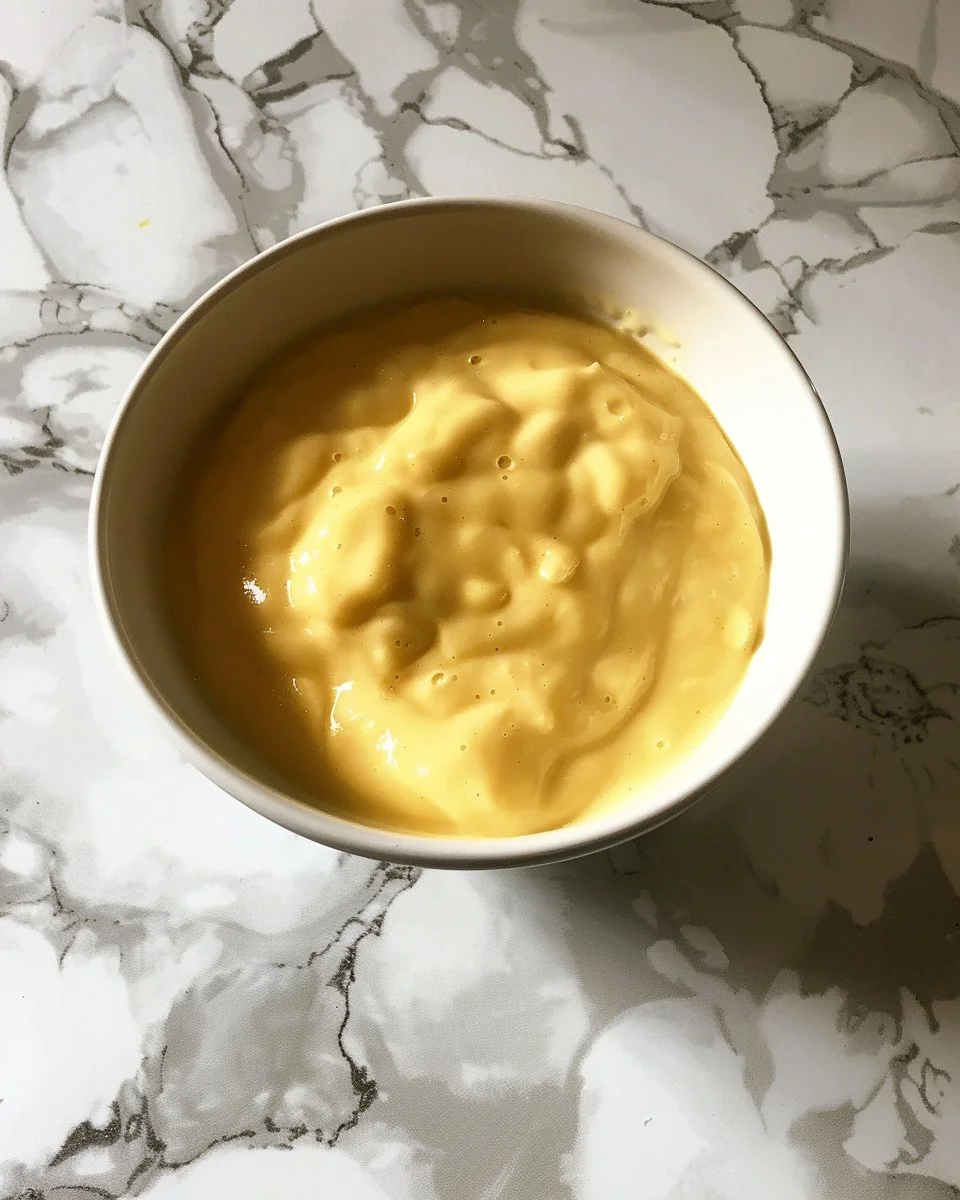
Making cheese sauce can feel like wizardry—transforming simple ingredients into creamy gold that elevates everything from nachos to broccoli. Picture this: you’ve got a pot of melty goodness bubbling away, lending its savory charm to your favorite dishes. Ready to whip up a batch that impresses every time? Let’s dive right in!
Ingredients
Crafting the perfect cheese sauce requires just a few basic ingredients:
- 2 tablespoons unsalted butter
- 2 tablespoons all-purpose flour
- 1 cup milk (whole milk preferred for creaminess)
- 1 ½ cups sharp cheddar cheese, shredded
- ½ teaspoon garlic powder (optional for extra flavor)
- ½ teaspoon onion powder (optional)
- Salt and pepper to taste
- Optional: a pinch of cayenne pepper or paprika for heat
For substitutions, if you prefer a lighter option, consider using low-fat milk or almond milk. If you’re aiming for a vegan cheese sauce, swap the cheese for nutritional yeast and use plant-based milk with a vegan butter alternative. The importance of choosing quality cheese, especially sharp cheddar, cannot be overstated, as it directly impacts the sauce’s flavor and creaminess.
Timing
Getting your cheese sauce ready is a breeze:
- Prep Time: 5 minutes
- Cooking Time: 10 minutes
- Total Time: 15 minutes
In just about the time it takes to microwave a bag of popcorn, you can have this delightful cheese sauce prepared and ready to go! Perfect for unexpected guests or an impromptu cheese dip night.
How to Make Cheese Sauce
Step 1: In a medium saucepan over medium heat, melt the butter. Allow it to bubble up gently without turning brown; keep an eye on it to ensure it doesn’t scorch.
Step 2: Once the butter is melted, sprinkle in the flour. Stir continuously to combine and create a roux—a thick paste that serves as the foundation of your sauce. Cook this mixture for about 1-2 minutes, until it slightly darkens and gives off a pleasant nutty aroma. This step will help remove any raw flour taste.
Step 3: Gradually pour in the milk while whisking constantly. This will create a smooth, lump-free mixture. Keep whisking until the mixture starts to thicken, which usually takes about 3-5 minutes. You want it to coat the back of a spoon.
Step 4: Once thickened, reduce the heat to low. It’s time to stir in the shredded cheddar cheese gradually. Incorporate it piece by piece while continuing to whisk until completely melted and your sauce is smooth and creamy.
Step 5: If using, add the garlic powder, onion powder, salt, pepper, and any additional spices like cayenne or paprika. Taste the mixture and adjust seasonings to achieve the desired flavor profile.
Step 6: Serve immediately! This sauce is best enjoyed fresh, but if you have leftovers, follow the storage tips later in this guide.
Healthier Alternatives
If you’re looking to lighten things up, here are a few swaps:
- For a lower-carb version: Use cauliflower blended until smooth in place of some of the cheese.
- To make it gluten-free: Swap in cornstarch for the flour as a thickening agent.
- A vegan option can be created by using cashew cream instead of butter and milk, along with nutritional yeast for a cheesy flavor.
Adapting recipes ensures that everyone can enjoy a delicious cheese sauce, no matter their dietary needs.
Serving Suggestions
The beauty of cheese sauce is its versatility. Here are some creative ways to serve it:
- Pour it over steamed vegetables like broccoli or cauliflower for a comforting side dish.
- Use it as a dipping sauce for pretzels or tortilla chips.
- Top a baked potato or nachos with a generous drizzle of cheese sauce for the ultimate snack.
- Mix it into pasta for a quick and comforting mac and cheese; feel free to add crispy bacon alternatives or grilled chicken for a heartier meal.
Presentation is key! Serve in a small bowl with fresh herbs sprinkled on top or alongside colorful vegetables for the perfect visual appeal.
Common Mistakes to Avoid
- Don’t skip the roux! It’s crucial for a smooth sauce. If you add cold milk directly to melted butter, it can cause lumps.
- Avoid cooking cheese on high heat, which can cause it to become grainy. Always keep the heat low once you start incorporating the cheese.
- Taste as you go! Not all cheeses are created equal; different brands may alter the saltiness of your sauce, so adjust accordingly.
Storage Tips
If you end up with leftover cheese sauce—which is rare but can happen—here’s how to store it:
- Refrigerator: Store in an airtight container for up to 3-5 days. Reheat gently on the stovetop, adding a splash of milk to restore its creamy texture.
- Freezer: Cheese sauce can be frozen for up to 3 months. Make sure to cool completely before transferring to a freezer-safe container. Thaw in the fridge overnight and reheat on low heat.
Meal prep tip: Consider preparing a double batch at the beginning of the week, so you have an easy go-to sauce ready for spontaneous meals.
FAQs
What type of cheese is best for cheese sauce?
Sharp cheddar is often preferred due to its robust flavor, but you can mix cheeses like Gruyère or Monterey Jack for a unique twist.
Can I make cheese sauce in advance?
Absolutely! Make the cheese sauce and store it in the refrigerator. Just remember to reheat it gently before serving, adding a touch of milk to get the right consistency.
How can I fix my cheese sauce if it’s too thick?
You can thin it out by gradually whisking in a bit of warm milk until you reach your desired consistency.
Is cheese sauce gluten-free?
The traditional recipe is not gluten-free due to flour usage. However, by using cornstarch instead of flour, you can easily create a gluten-free version.
Can I add other flavors to cheese sauce?
Definitely! Experimenting with spices, herbs, or even sautéed onions and peppers can elevate your cheese sauce to new tasty heights.
Print
Creamy Cheese Sauce
- Total Time: 15 minutes
- Yield: 4 servings 1x
- Diet: Vegetarian
Description
A quick and easy recipe for a creamy cheese sauce that elevates any dish from nachos to steamed veggies.
Ingredients
- 2 tablespoons unsalted butter
- 2 tablespoons all-purpose flour
- 1 cup whole milk
- 1 ½ cups sharp cheddar cheese, shredded
- ½ teaspoon garlic powder (optional)
- ½ teaspoon onion powder (optional)
- Salt and pepper to taste
- Optional: a pinch of cayenne pepper or paprika
Instructions
- Melt the butter in a medium saucepan over medium heat, allowing it to bubble gently without browning.
- Sprinkle in the flour and stir to combine, creating a roux. Cook for 1-2 minutes until it darkens slightly.
- Gradually pour in the milk, whisking constantly until the mixture thickens, about 3-5 minutes.
- Reduce the heat to low and stir in the shredded cheddar cheese gradually until fully melted and smooth.
- Add garlic powder, onion powder, salt, pepper, and additional spices, adjusting seasonings to taste.
- Serve immediately. Best enjoyed fresh but can be stored for later use.
Notes
Avoid adding cold milk to melted butter to prevent lumps. Always keep heat low when adding cheese to maintain a smooth texture. Experiment with seasonings and cheese varieties for best results.
- Prep Time: 5 minutes
- Cook Time: 10 minutes
- Category: Sauce
- Method: Stovetop
- Cuisine: American
Nutrition
- Serving Size: 1 serving
- Calories: 300
- Sugar: 5g
- Sodium: 450mg
- Fat: 20g
- Saturated Fat: 12g
- Unsaturated Fat: 6g
- Trans Fat: 0g
- Carbohydrates: 20g
- Fiber: 1g
- Protein: 10g
- Cholesterol: 40mg
Conclusion
A luscious cheese sauce can transform any meal into something magical, bringing warmth and delight with just a few simple ingredients. Whether you choose to serve it over veggies, use it as a dip, or pour it gleefully over pasta, this recipe is bound to become a household favorite. So why not give it a try? I’d love to hear how you incorporate this cheesy goodness into your meals!